Harvesting pine straw is an excellent way to diversify your investment while waiting for your timber crop to mature.
Types of pine trees in Mississippi
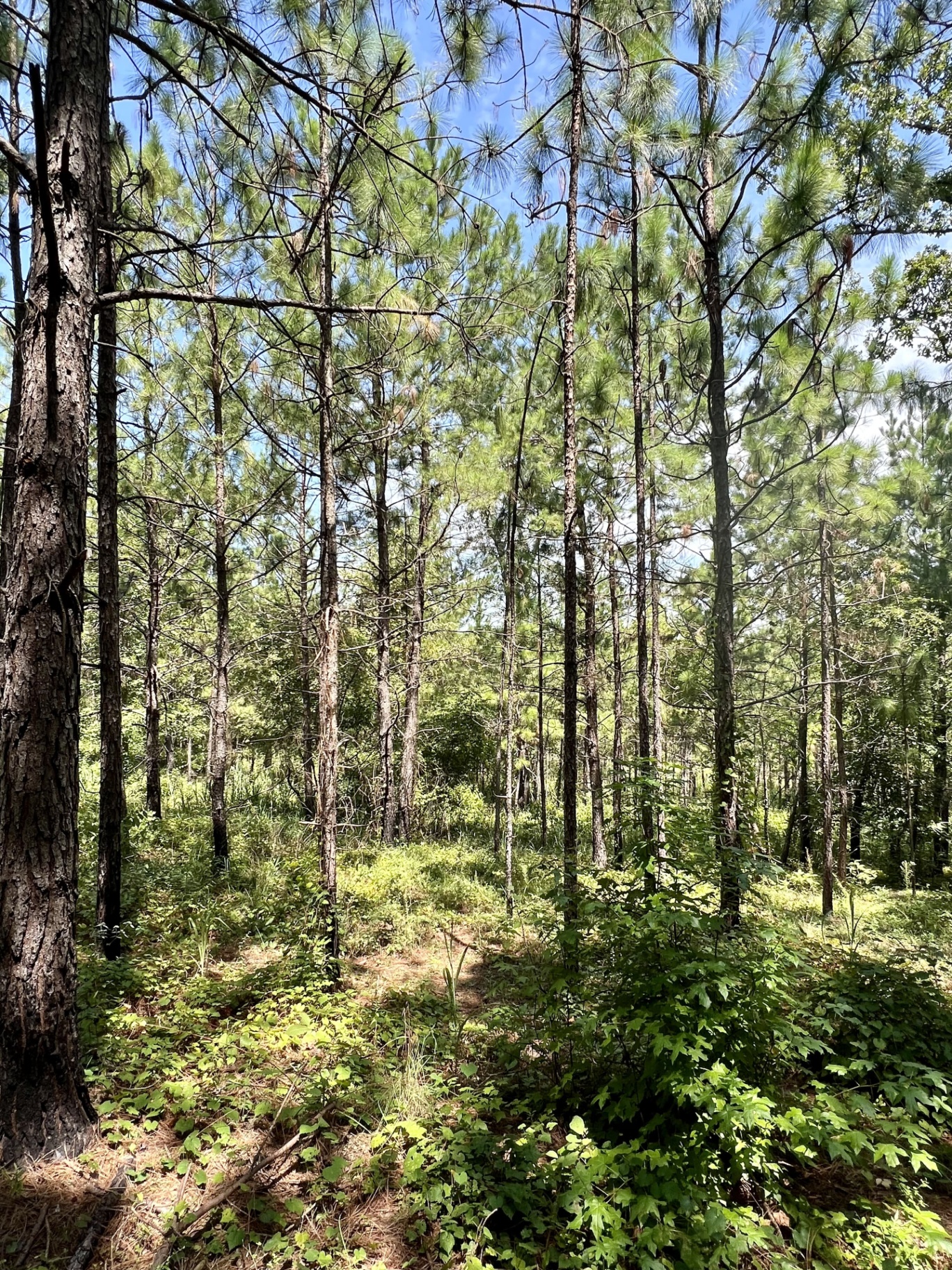
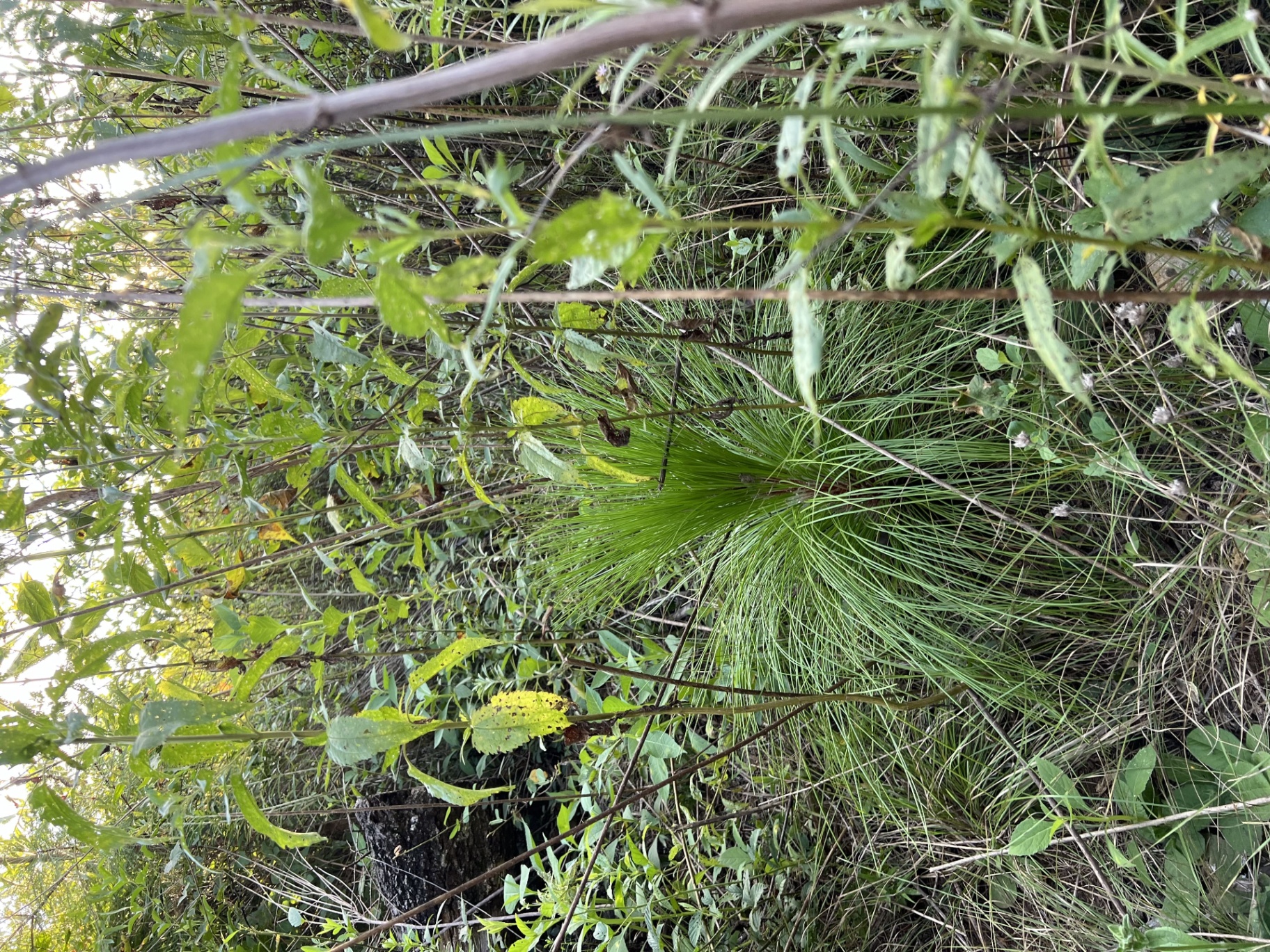
For pine straw, Mississippi's most prevalent pine types are longleaf and loblolly pine. Longleaf pine is often the preferred choice for landscaping because of its color retention, longer needles, and slower decomposition than loblolly. While loblolly might not be the most desirable for landscaping because it produces more straw than longleaf, it is a good choice for erosion control.
When to harvest pine straw
The first harvest of pine needles should only happen after year eight of the crop. Any harvest before that could damage the timber stand. Early in the pine stand's life cycle, fallen needles accumulate as organic matter, decomposing and adding nutrients to the soil. The highest yield will come around year 15, about the same time the first thinning occurs.
Time of year to harvest pine straw
An ideal time to harvest or collect pine needles is between September and December, when needle drop is at the highest level. Raking every year can impact your tree stand growth unless a fertilizer is applied. Raking every two to three years keeps organic matter and nutrients in the soil for your timber crop. Although extremely labor-intensive, managed pine stands can produce 100-250 bales of pine straw per acre, depending on management techniques.
How to collect
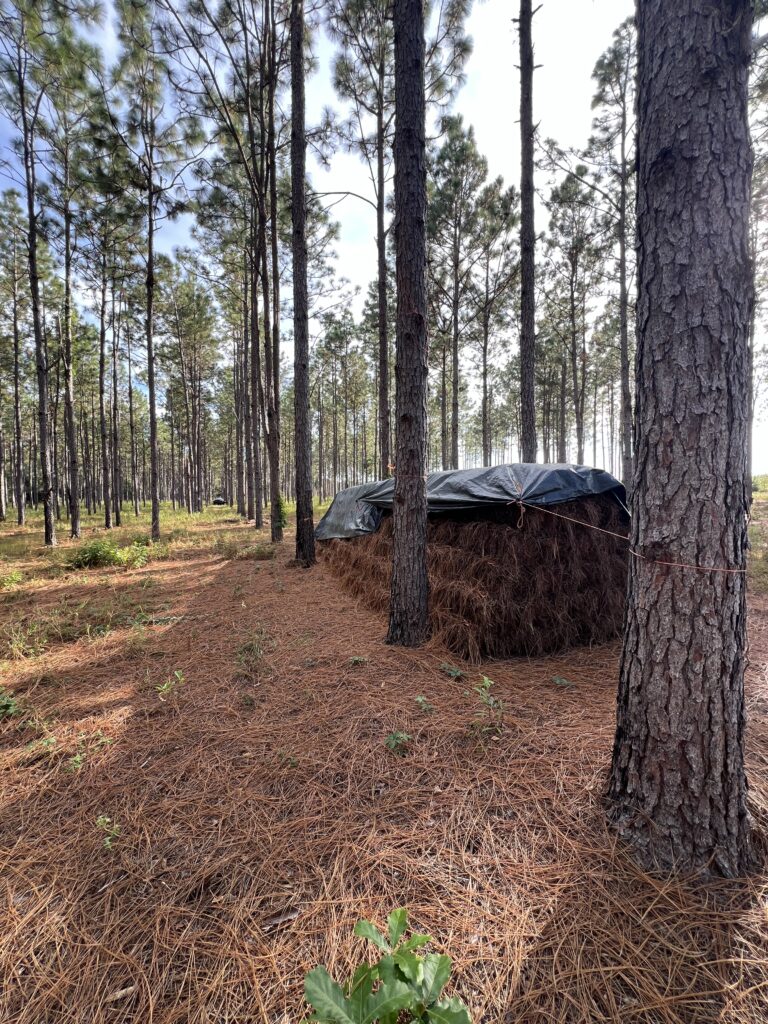
If outsourcing the crop, landowners can work with harvesters under a per-bale lease or an acre-by-acre lease. Harvesters can rake, bale, and tie the straw either with a hand baler or a mechanical baler for larger acreages. Keeping the bales dry and tightly secured is vital in preventing mold from growing and nutrients from leaking.
If harvesting pine straw is something you want to add to your forest management plan, we can assist you!