
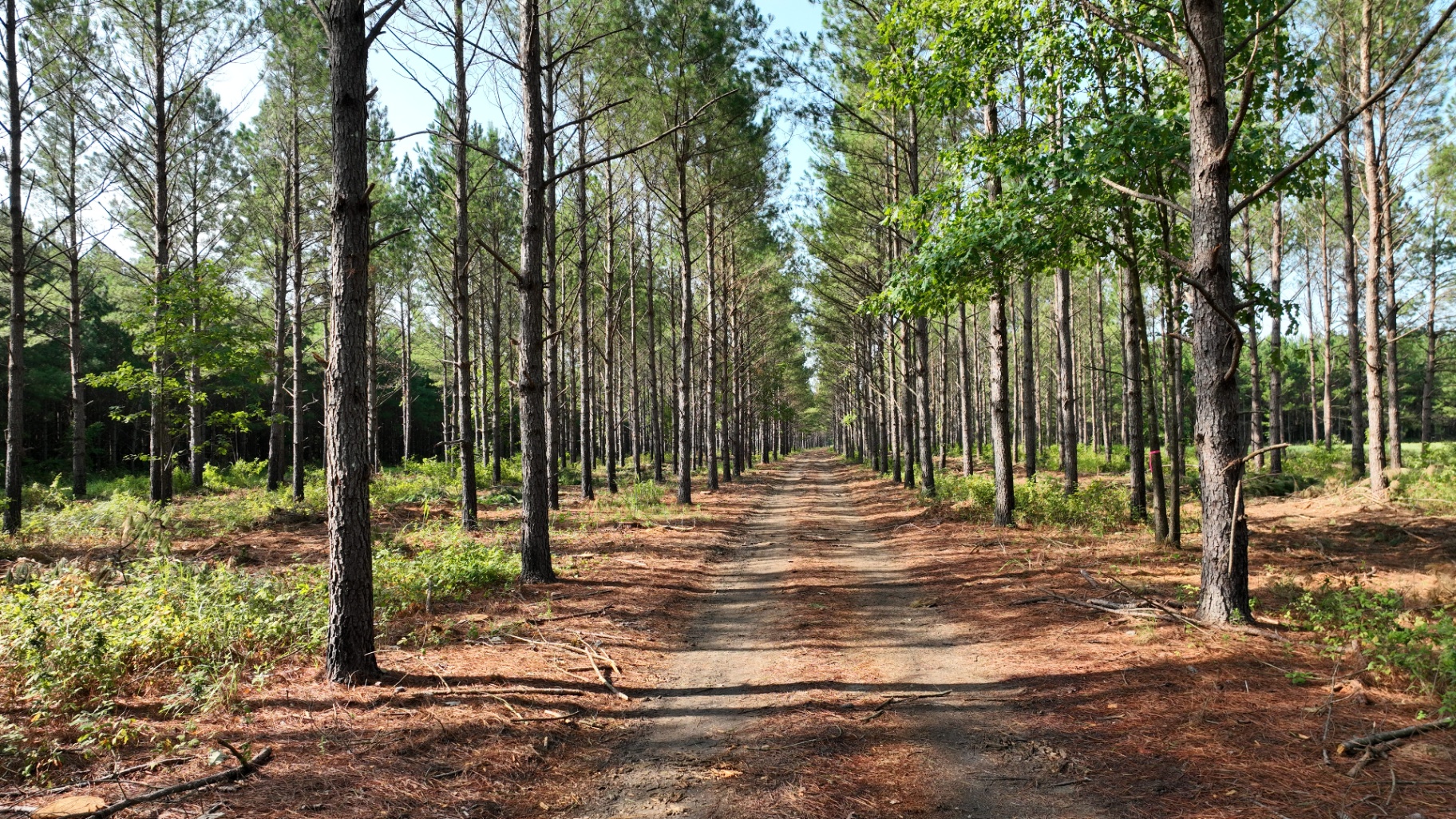
If you own timberland in Mississippi or Alabama, there is a good chance you have heard the term timber appraisal without ever getting a clear explanation of what it actually means or why it matters.
A timber appraisal is not just a number on paper. It is one of the most important tools a landowner can use before making a timber sale decision, settling an estate, dividing inherited land, evaluating a tract for purchase, or simply trying to understand what is really standing on the property.
Too many landowners get approached with an offer before they ever know the value of their timber. That is where problems start. When you do not know what you have, you are in no position to judge whether a price is fair, whether the tract is ready to sell, or whether the timing is even right.
What Is a Timber Appraisal?
A timber appraisal is a professional estimate of the value of the standing timber on a property. It is based on fieldwork, measurements, timber volume, species mix, product classes, stand condition, access, operability, and current market conditions.
In plain terms, a timber appraisal helps answer questions like:
- What is on the tract?
- How much merchantable timber is there?
- What products are present?
- What is the timber likely worth in the current market?
- Is the stand ready for thinning, final harvest, or continued management?
A good timber appraisal gives the landowner a clearer picture of both current value and decision-making options.
Why Timber Appraisals Matter
A timber appraisal matters because timber is often one of the most valuable parts of a rural property. Yet it is also one of the least understood.
Landowners commonly need timber appraisals for:
- Timber sale planning
- Estate and probate work
- Inherited property decisions
- Partition or family division issues
- Property acquisition due diligence
- Insurance or damage documentation
- Loan or collateral support
- General forest management planning
The biggest benefit is simple: a timber appraisal helps replace guessing with facts.
That matters even more when a sale may be near. If a landowner is considering selling timber, an appraisal often serves as the foundation for determining whether the tract is biologically ready, what products are available, and how to approach the sale. That is one reason timber appraisals tie directly into our timber sale guidance work.
What Affects Timber Value?
Not all timber is worth the same, even when two tracts sit close together.
Several factors influence timber value, including:
Species
Different species carry different market demand and product potential. Pine, oak, walnut, cherry, mixed hardwoods, and other species can vary widely in value depending on region and end use.
Age and Size
Older and larger trees are not automatically worth more, but stand maturity and tree size often affect product class and marketability.
Product Class
Pulpwood, chip-n-saw, sawtimber, poles, and specialty products each carry different values. Product breakdown matters.
Stocking and Density
A stand that is overcrowded, understocked, damaged, or poorly managed may not perform as well as one in better condition.
Access and Operability
A tract with poor access, wet ground, small acreage, difficult terrain, or limited logging options may appraise differently than a cleaner, more operable tract.
Local Market Conditions
Mill demand, hauling distance, buyer competition, and regional logging conditions all affect the value of timber.
That is why a real timber appraisal is about more than measuring trees. It is about understanding the tract in context.
How Timber Appraisals Are Conducted
A professional timber appraisal usually begins with a field inspection.
The forester or appraiser evaluates the tract by measuring trees, reviewing stand conditions, identifying species and product classes, and estimating merchantable volume. They also consider access, harvest feasibility, tract layout, and current market conditions.
Depending on the property and purpose of the appraisal, the process may include:
- Timber inventory plots
- Diameter and height measurements
- Stand mapping
- Species and product classification
- Volume estimation
- Market-based value analysis
- Notes on condition, operability, and management stage
The end result should be more than a vague estimate. It should give the landowner useful information for real-world decisions.
Timber appraisals do not happen from behind a desk. Real timber value starts with boots on the ground — walking the tract, checking stand conditions, evaluating species and product class, and understanding what is actually growing before any sale or management decision is made.
This is what real timber evaluation looks like before serious decisions get made. A stand can look one way from the road and tell a different story once you walk into it. That is exactly why timber appraisals matter, especially when they tie into timing, value, and the way a timber sale should be handled.
A Timber Appraisal Is Not Just for Selling
A lot of people think timber appraisals only matter when a sale is about to happen. That is not true.
A timber appraisal can also help when:
- Heirs need to understand inherited timberland
- A family is trying to divide the rural property fairly
- A buyer wants to know what is actually on a tract before purchasing
- A landowner wants to compare the immediate sale value versus the future growth
- Someone needs documentation related to storm damage, trespass, or timber theft
In other words, an appraisal is often part of understanding the asset itself, not just preparing to liquidate it.
The Biggest Mistake Landowners Make
One of the biggest mistakes landowners make is assuming timber value based solely on appearance.
A tract can look impressive from the road and still be poorly timed for sale. Another tract may look average but contain more value than expected because of product mix, access, or local demand.
Another major mistake is talking price before understanding volume, condition, and readiness. That usually benefits everyone except the landowner.
How This Connects to a Timber Sale
If your long-term goal is to sell timber, a timber appraisal is often one of the smartest first steps.
It helps answer:
- Is the stand ready now?
- What is likely saleable?
- What should be left alone?
- Should the tract be thinned or harvested?
- Does it make sense to market the timber competitively?
- Is the property likely to be undervalued?
That is why this topic connects directly to our timber sale page. A good sale starts with good information, and a timber appraisal is part of that foundation.
Final Thought
A timber appraisal is not just paperwork. It is a decision-making tool.
For landowners, families, and investors, it provides a clearer understanding of the timber's value, the stand's stage, and which options make the most sense moving forward.
If you are trying to protect value, prepare for a sale, settle an estate, or simply get a better handle on your timberland, a professional appraisal can bring clarity before costly decisions are made.
Q&A About Timber Appraisals
What is a timber appraisal?
A timber appraisal is a professional estimate of the value of standing timber based on species, size, product class, volume, stand condition, access, and current market conditions.
Why would a landowner need a timber appraisal?
Landowners may need a timber appraisal before selling timber, settling an estate, dividing inherited property, buying rural land, documenting damage, or making management decisions.
Does a timber appraisal guarantee what the timber will sell for?
No. A timber appraisal is an informed professional estimate, not a guaranteed sale price. Actual sale results can vary based on market timing, buyer competition, operability, and tract-specific conditions.
Can two neighboring tracts have very different timber values?
Yes. Differences in species mix, age, density, access, drainage, operability, and local mill pull can create major value differences between nearby properties.
Is a timber appraisal only useful before a timber sale?
No. Timber appraisals are also useful for estate planning, probate, inherited land, partition matters, damage claims, due diligence, and long-term management planning.
How does a timber appraisal connect to a timber sale?
A timber appraisal helps a landowner understand what is on the tract, whether the stand is ready, what products are present, and how to approach the sale more strategically.