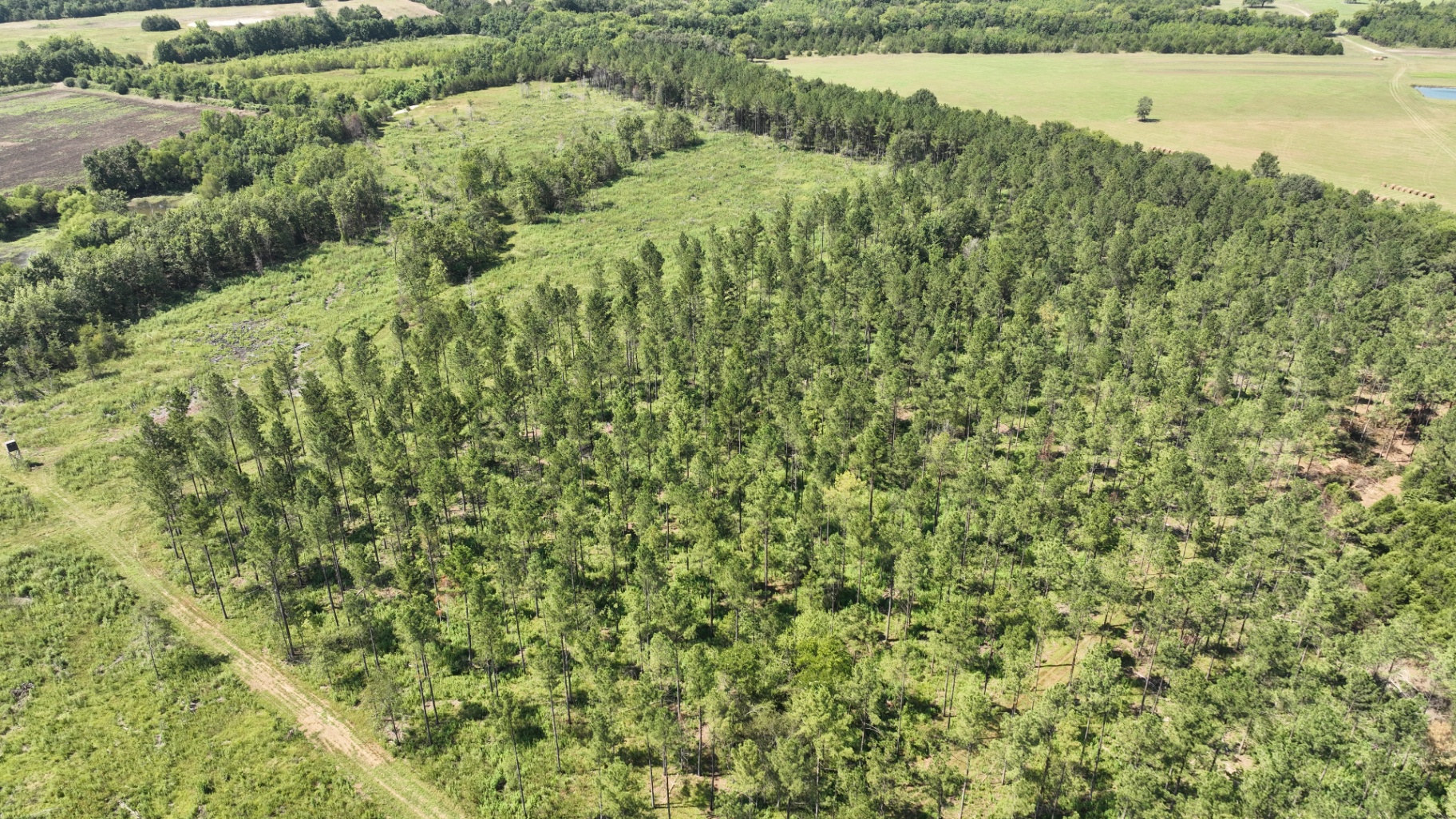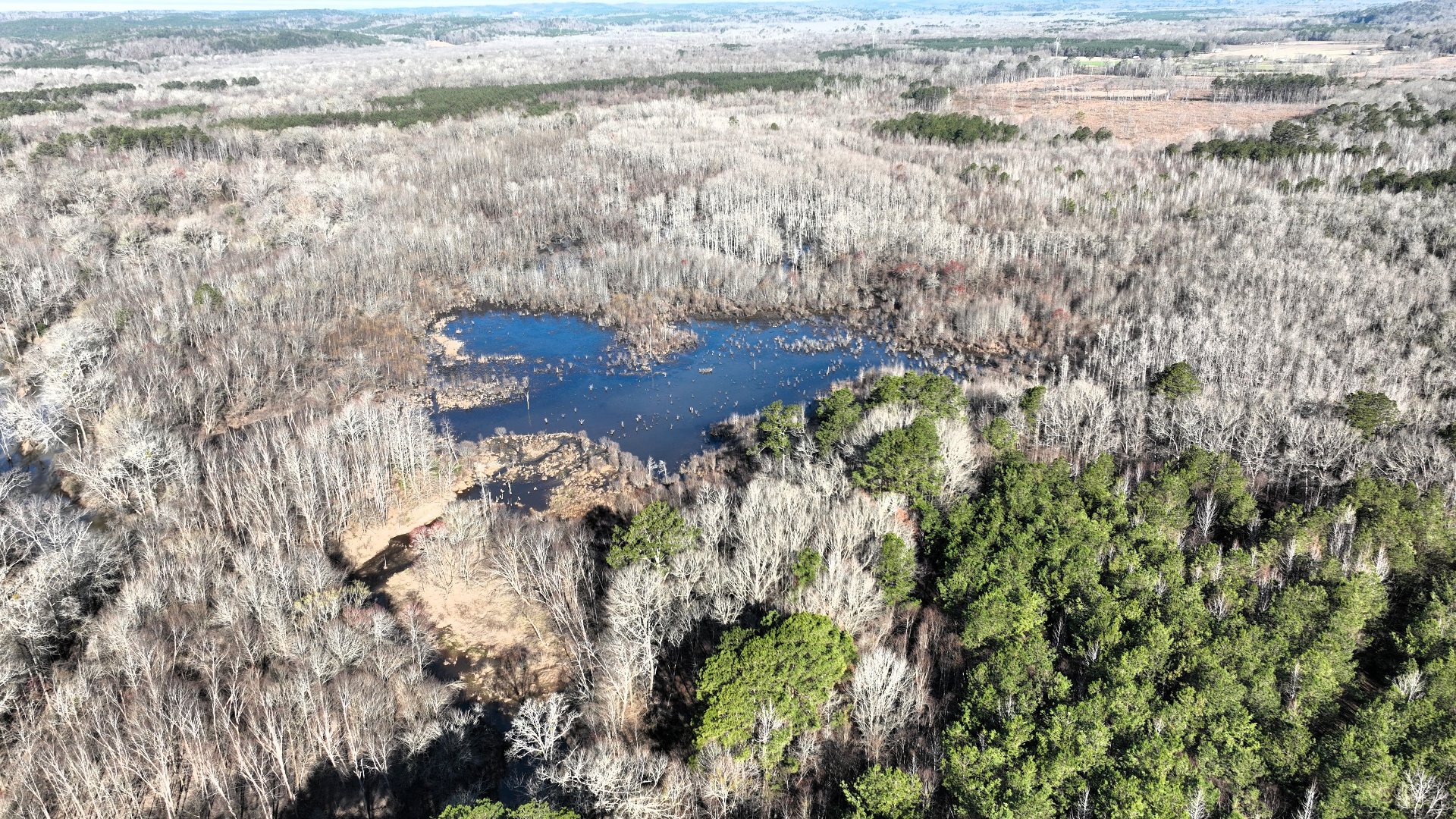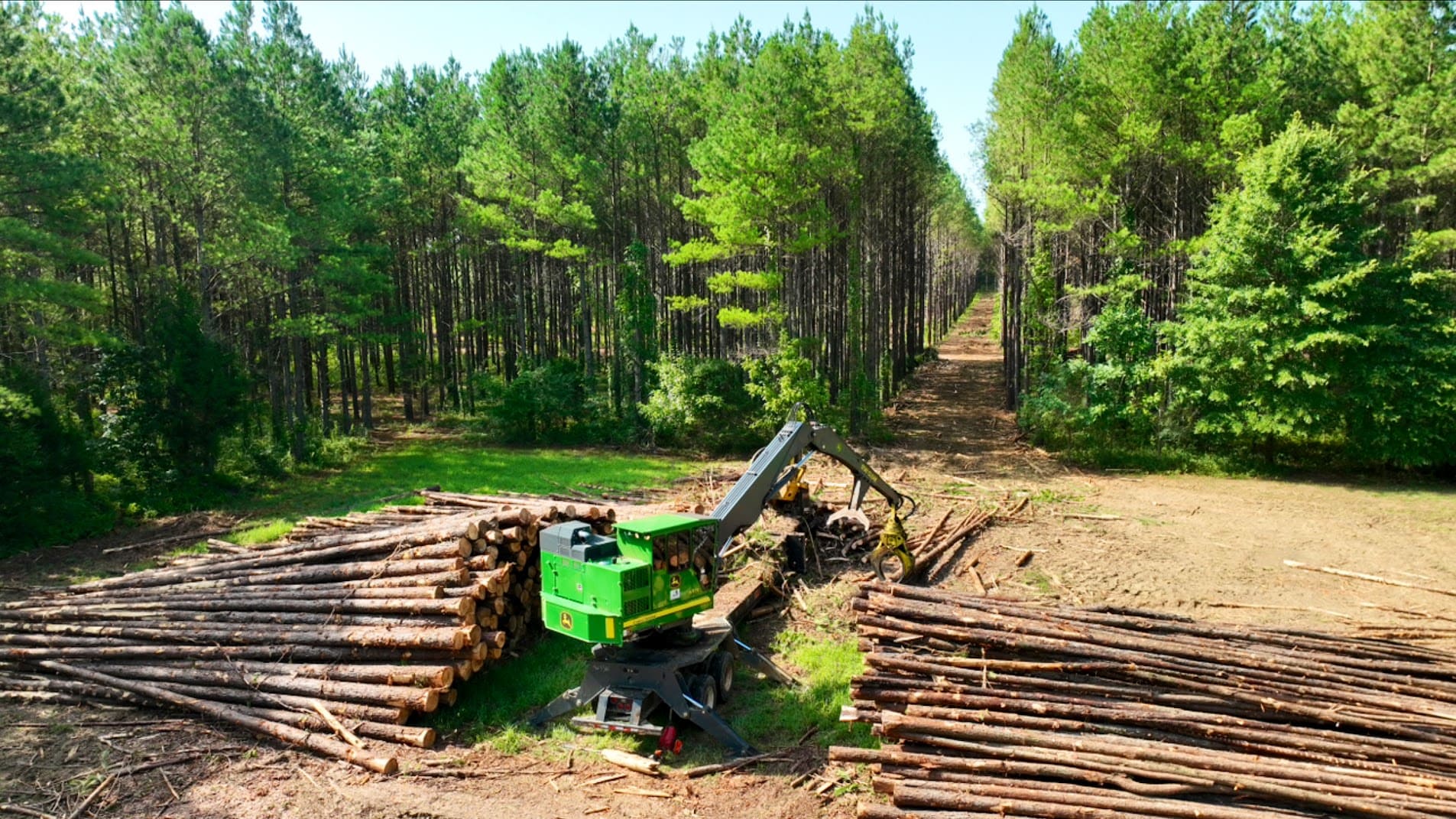
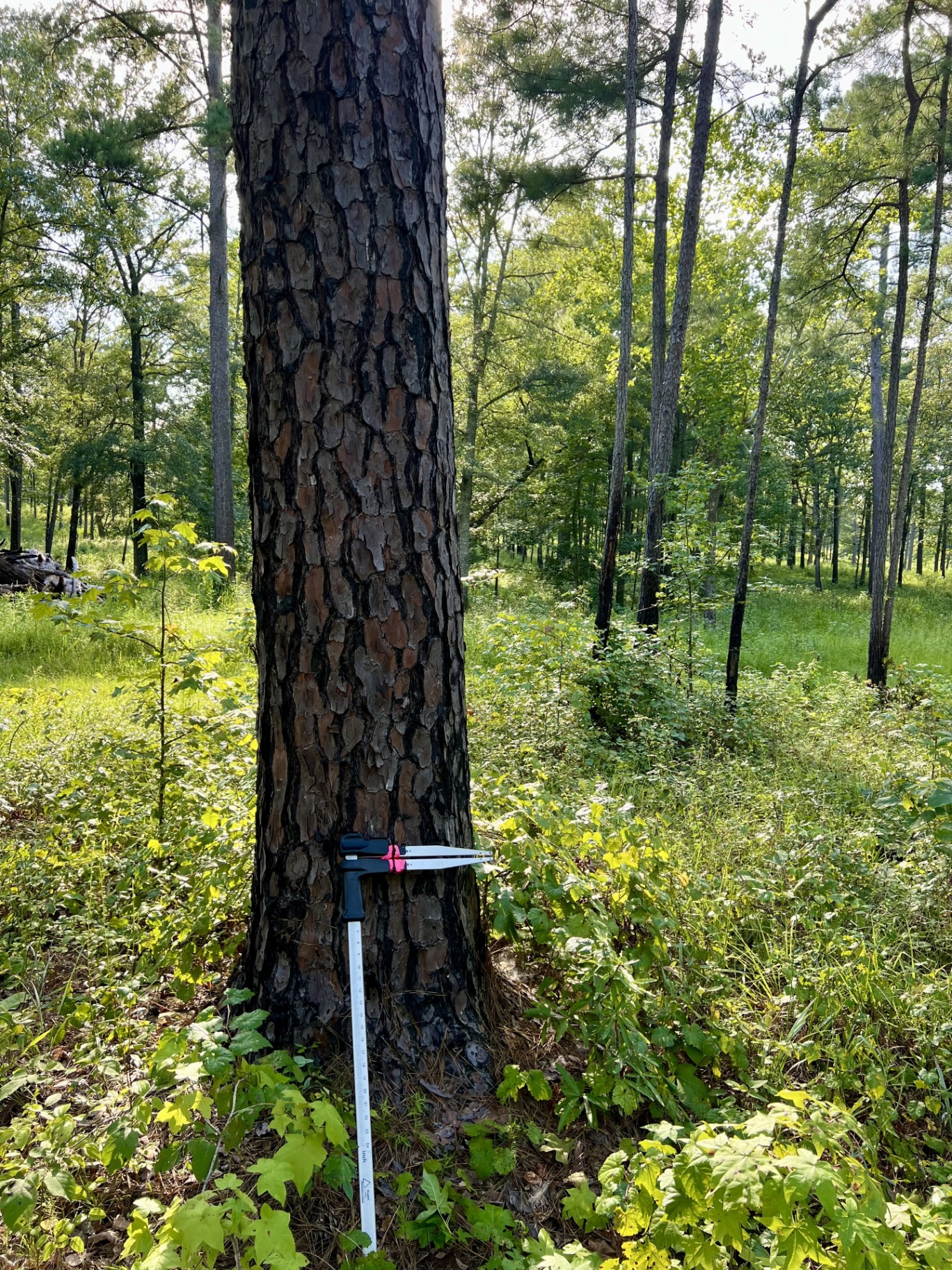
Timber Evaluation in the Field
Every tract is different. What your timber is worth depends on what is actually standing on the property — not assumptions or estimates.
From Appraisal to Sale
A strong timber sale starts with a clear understanding of the timber.
An appraisal allows your timber to be:
- properly marketed
- compared across buyers
- positioned for competition
Learn more about timber sale representation
Regional Timber Considerations
Timber value can vary significantly from one area to another.
We work with landowners in areas such as Lauderdale County, Newton County, Pickens County, and Sumter County, where local conditions, mill access, and buyer activity all influence outcomes.
What a Timber Appraisal Is — and What It Is Not
A timber appraisal is a written, defensible valuation of the standing timber on a specific tract at a specific point in time. It pairs a field-measured inventory (a timber cruise) with current product-class pricing, access and operability adjustments, and an appraiser's judgment about how the market will actually treat that tract.
A timber appraisal is not a tax opinion, a real-estate appraisal of the underlying land, a guaranteed sale price, or a buyer's offer. It establishes a credible value range that landowners, attorneys, CPAs, lenders, and the IRS can rely on as the basis for a decision.
When Landowners Need a Timber Appraisal
The most common situations that warrant a formal appraisal:
- Estate settlement. Establishing date-of-death timber value for a step-up in basis and for executor reporting.
- Timber basis allocation. Splitting the purchase price of newly acquired timberland between land and merchantable timber so future sales are taxed correctly.
- IRS Form T support. Documenting depletion, basis recovery, and reforestation accounts on tracts where Form T is required.
- Divorce or partnership division. Quantifying the timber component of a marital or partnership estate.
- Land sale or purchase. Knowing the timber value before a tract changes hands prevents leaving — or paying — substantial money.
- Timber trespass or damage. Measuring volume removed, stumpage value, and treble or punitive damages where allowed under state law.
- Insurance and casualty-loss documentation. Establishing pre-event timber value after hurricane, tornado, ice, wildfire, or pine-beetle loss.
- Conservation easement or charitable donation. Supporting the timber component of qualified appraisal work.
How Southeast Forestlands Approaches Timber Valuation
Every appraisal is built tract-up, not from county averages. The work moves through a consistent sequence so the final number is reproducible and defensible.
- Field inventory and cruise design. Plot layout, sample intensity, and cruise method (fixed-radius, variable-radius, or 100% tally) are matched to tract size, stand variability, and the use of the appraisal.
- Product classification. Standing trees are sorted into pulpwood, chip-n-saw, sawtimber, pole, and ply-log categories using diameter and height measurements taken in the field.
- Species and grade. Loblolly, longleaf, slash, shortleaf, mixed hardwoods, and bottomland hardwoods each carry different mill demand and grade rules.
- Local mill demand. A tract's value depends on which mills are actually buying that product, at that grade, on that day. Timber markets in Mississippi and Alabama shift quarter to quarter.
- Access and logging conditions. Road frontage, soil drainage, internal woods roads, streamside management zones, and decking areas all affect what a logger can actually pay.
- Current market timing. Pine sawtimber, pulpwood, and hardwood markets cycle independently. The appraisal reflects current conditions, not last year's averages.
- Written appraisal report. The deliverable is a written report with cruise summary, product-class volumes, stumpage assumptions, comparable considerations, and a value conclusion. Attorneys, CPAs, lenders, and the IRS receive something they can read and rely on.
Timber Basis and IRS Form T
When timberland is purchased or inherited, the timber and the land are two separate assets for tax purposes.
The IRS instrument that tracks this is Form T (Timber): Forest Activities Schedule. Form T is the standard for reporting timber acquisitions, sales, depletion, and reforestation expenses. Practical landowner-friendly guidance lives at TimberTax.org, maintained by the National Timber Tax Working Group. MSU Extension publishes plain-language landowner material at MSU Extension Forestry.
Disclaimer. This page is general information, not tax advice. A timber appraisal supplies the valuation and volume facts; landowners should work with their CPA, enrolled agent, or tax attorney on Form T preparation, basis elections, and reporting. Eric Entrekin, Registered Forester (MS & AL) prepares the appraisal; the tax filing belongs to the landowner's tax professional.
Appraisal vs. Pre-Sale Estimate vs. Sealed-Bid Sale Result
These three numbers are often confused and they are not the same thing.
- Formal timber appraisal. A written valuation based on a measured cruise and documented assumptions, suitable for estate, tax, legal, or financial use.
- Pre-sale timber estimate. A quick value range — sometimes from a walk-through, sometimes from a partial cruise — used to decide whether to take a tract to market. Useful for planning, not for filings.
- Sealed-bid timber sale result. The actual price the highest qualified bidder offered after the tract was marketed competitively. This is what the timber sold for, not what it was worth — though on a well-marketed sale the two numbers are usually close. See timber sale representation for how sealed bids are structured.
Common Mistakes in Timber Valuation
- Using county averages as tract value. Statewide and county-level stumpage averages (such as those published by Timber Mart-South) are useful trend indicators but a poor substitute for a tract-specific cruise.
- Accepting one buyer's number as the value. A single offer is data about that buyer, not about the timber.
- Confusing delivered price with stumpage. Mill-gate (delivered) prices include logging, hauling, and overhead. The landowner is paid stumpage — what remains after those costs come out.
- Ignoring access and operability. Two stands with identical volume can appraise differently when one is on hardtop frontage and the other requires three miles of weather-sensitive woods road.
- Failing to document basis before the sale closes. Once the timber is gone, retroactively establishing basis is harder, more expensive, and sometimes impossible.
Why Similar-Looking Timber Tracts Can Appraise Differently
Example forestry scenario for local landowners. Two tracts that look similar from the road may appraise differently because an appraisal considers more than acreage and total standing volume. Product mix, species, grade, stem quality, thinning history, storm or pest damage, and current market demand can affect the estimate. Access and operability also matter: road frontage, landing space, soil conditions, stream crossings, easements, haul distance, and the number of mills accepting each product can influence expected stumpage value. A timber appraisal should explain the measurements, assumptions, market information, and limitations used. It is a point-in-time opinion of value, not a guaranteed sale price or prediction of a particular bid.
Related Reading on This Site
For landowners working through a valuation alongside a possible sale or management decision: timber sale representation, current timber prices in Mississippi, forestry consulting, forest management plans, and the Field Note on the timber market cycle cover the surrounding context most appraisal clients also ask about.
Before You Make a Decision About Your Timber
Most landowners don’t get a second chance at a timber sale.
If you’re considering selling, managing, or evaluating your timber, the most important step is understanding what you have first.
Call (601) 527-5349 or reach out through our contact page to get started.
No pressure. Just clear information so you can make the right call.
Timber-basis, sale, and casualty-loss valuations should follow IRS Form T (Timber) and the guidance maintained at TimberTax.org. Regional stumpage benchmarks come from Timber Mart-South, with non-commercial reference material from MSU Extension Forestry. Appraisals from Southeast Forestlands are prepared and signed by Eric Entrekin, Registered Forester (MS & AL).
Related Field Note: How a sealed-bid timber sale actually works.