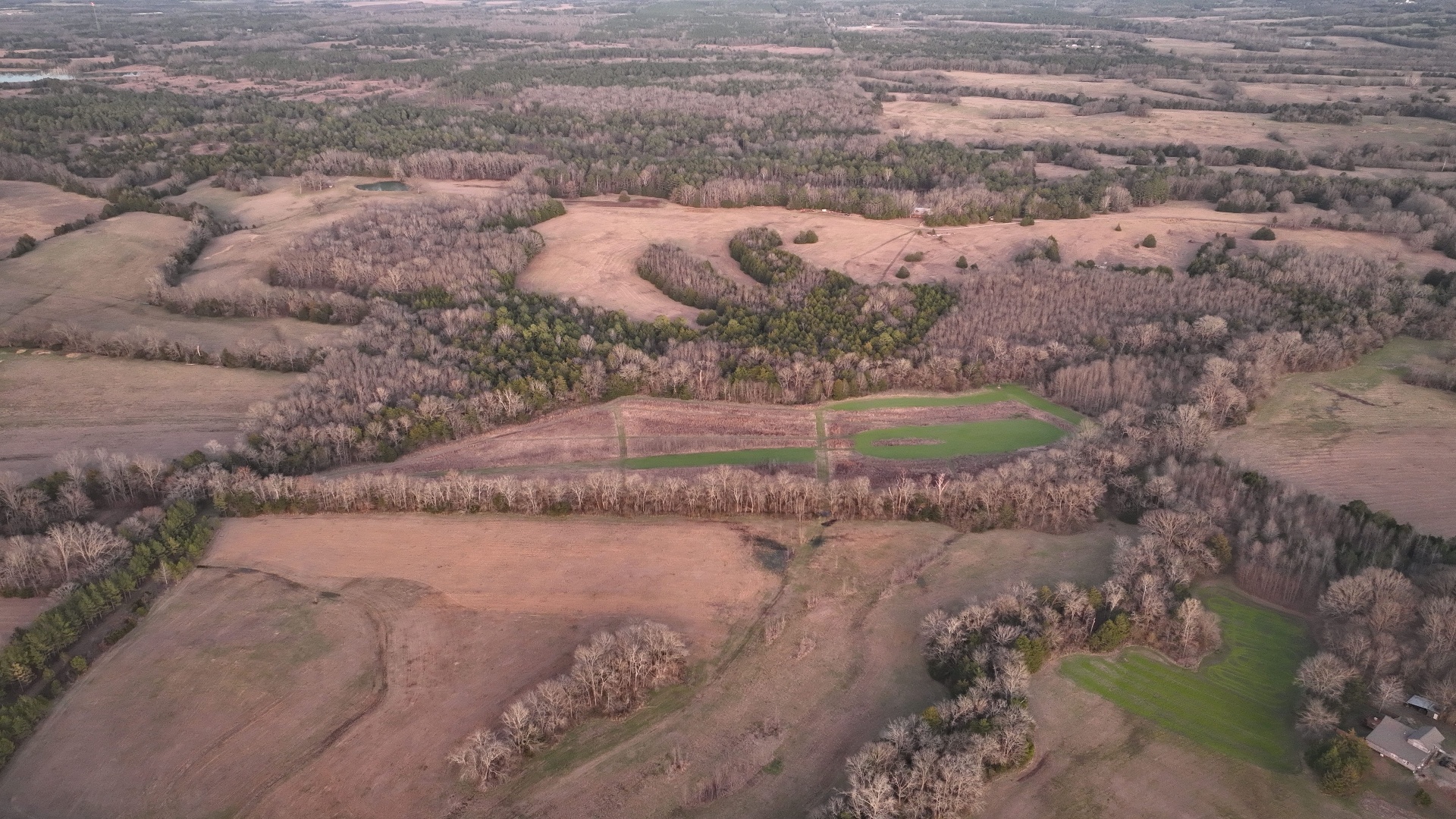
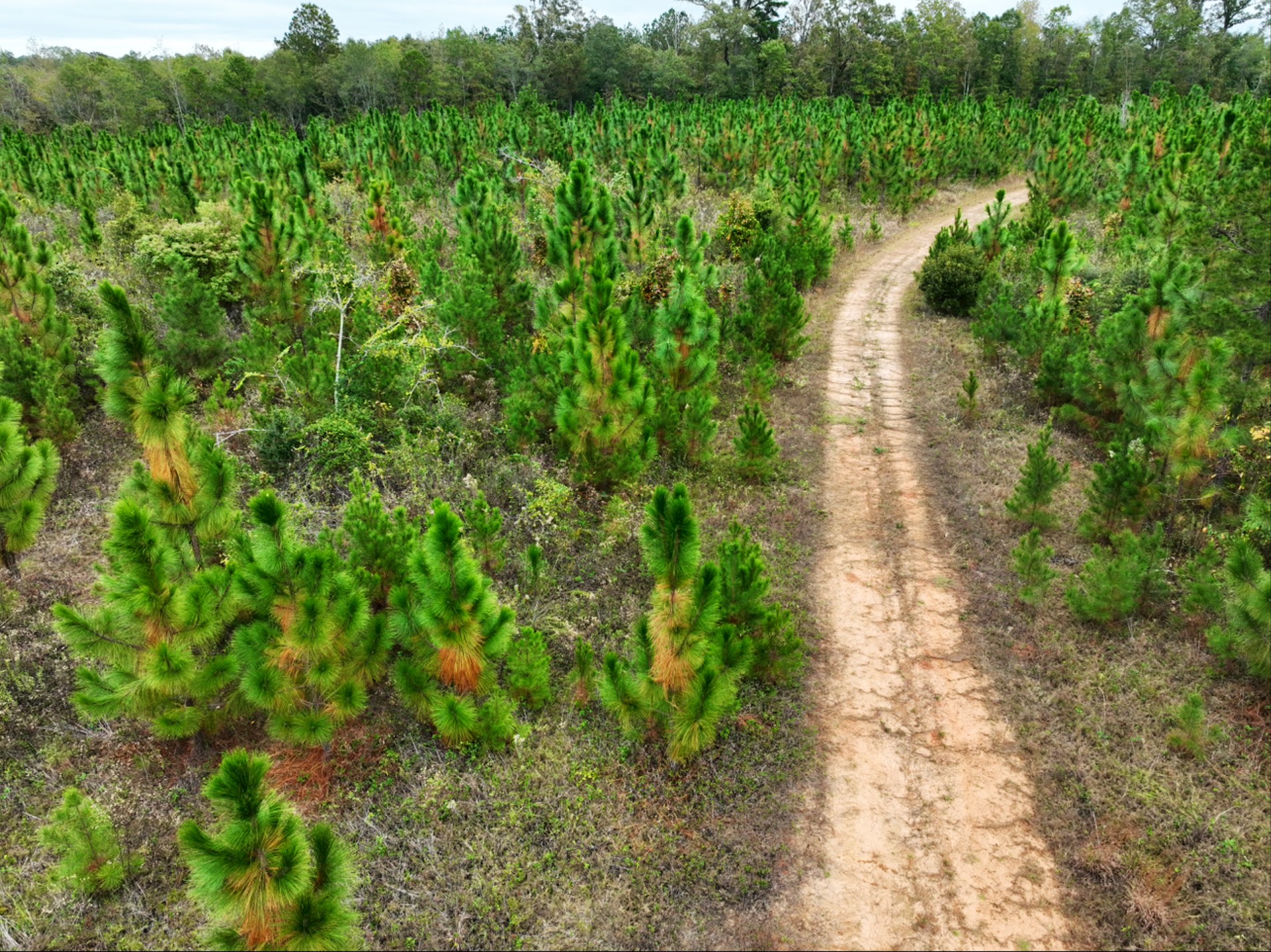
Clarke County is east Mississippi pine country — Quitman sits at the headwaters of the Chickasawhay, with the Buckatunna and Souinlovey draining the lower half of the county, and US 45 carrying trucks to the mill triangle between Waynesboro, Meridian, and Laurel. A lot of these tracts grow excellent loblolly on the uplands and hold hardwood bottoms along the river drains, which means two stands a mile apart can need completely different decisions.
I work with landowners around Quitman, Shubuta, Stonewall, and Enterprise on timber valuations, sale structuring, and long-range stand decisions before a harvest gets locked in. Most of the value I see lost out here isn't from bad timber — it's from selling too early, signing the wrong contract, or letting a logger work unsupervised on ground that holds water longer than the buyer expected.
Why Clarke County Forestry Requires Local Knowledge
Clarke County sits within one of Mississippi’s most productive timber corridors. The region supports a wide mix of forest types, including pine plantations, mixed hardwood systems, and expanding longleaf pine restoration acreage.
Those conditions mean forestry decisions must be tailored to the tract — not copied from another property.
Factors that often influence timber management in Clarke County include:
• Soil stability and rutting risk during wet weather
• Drainage patterns affecting equipment access
• Streamside Management Zones (SMZs) along creeks and drains
• Haul distance to competing pine and chip mills
• Stand composition including loblolly, longleaf, and mixed hardwood
Two properties located just a few miles apart can require very different harvest timing and management strategies.
Example from the field: On a hill-and-bottom tract outside Quitman, a landowner had a single offer covering the upland pine and the hardwood bottom together. We separated the products, marketed the pine on a sealed bid, and held the hardwood for a later sale once river-bottom logging conditions were right — the combined return was well above the original lump offer.
Regional Timber Markets That Influence Clarke County
Timber buyers rarely operate within a single county. Mills pull wood from broad areas that often extend across multiple counties — the buyers competing for your timber rarely stop at a county line.
For Clarke County landowners, buyer competition and pricing may also be influenced by nearby markets such as:
• Forestry Consultants & Timber Services in Lauderdale County, MS
• Forestry Consultants Working With Jasper County, Mississippi Landowners
• Forestry Consultants & Timber Services in Jones County, MS
• Forestry Consultants & Timber Services in Wayne County, MS
Because of these overlapping procurement corridors, a tract located near a county line may compete directly with timber being marketed in surrounding counties.
Understanding this regional timber market helps landowners avoid quiet undervaluation and position their timber sale for stronger competition.
Timber Sales in Clarke County — Structure Protects Value
A timber sale is not simply a financial transaction. It is a land operation that can permanently affect soil productivity, road systems, and future forest development.
Logging equipment weighing tens of thousands of pounds operates across soils that may already be vulnerable to compaction. Truck traffic can destroy roads if harvests are poorly managed. Stream crossings must be protected to prevent erosion.
For that reason, timber sales must be carefully structured.
Southeast Forestlands provides full timber sale representation in Clarke County, including:
• On-site timber inventory and evaluation
• Professional timber appraisal to determine fair market value
• Competitive buyer exposure to encourage bidding
• Seller-protective timber sale contracts
• Active harvest supervision in the woods
This structure protects more than stumpage price.
It protects the land.
Clarke County Property Inspection — Longleaf Pine Management
Evaluating stand condition before management actions is a critical step in responsible forestry.
The video below shows a property inspection in Clarke County, Mississippi, reviewing a young longleaf pine stand ahead of an upcoming prescribed burn designed to control competing vegetation and support longleaf development.
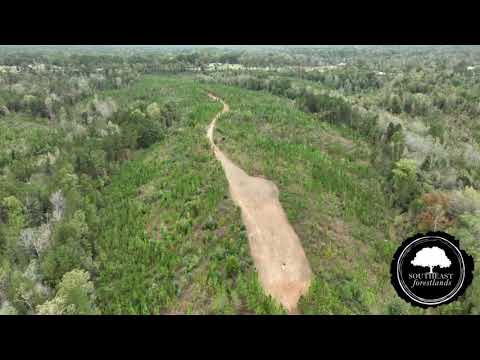
Longleaf pine management across southeast Mississippi often depends on periodic prescribed fire. Properly timed burns reduce competing vegetation, improve wildlife habitat, and help maintain the open forest structure longleaf ecosystems require.
Field inspections like this allow landowners to evaluate stand conditions and determine the next phase of forest development.
Longleaf Pine, Fire, and Clarke County Forestry
Clarke County sits within an active longleaf pine restoration landscape. Many landowners are transitioning portions of their property to longleaf systems because of their durability, wildlife benefits, and long-term timber value.
However, longleaf stands require different management than traditional pine plantations.
Successful longleaf forestry often involves:
• Prescribed Burning cycles
• Vegetation competition control
• Strategic thinning
• Maintaining an open stand structure
Without periodic fire and management, longleaf stands can quickly lose their ecological and economic advantages.
When Harvesting Is the Wrong Decision
Not every tract should be harvested simply because timber has value.
In many cases, Clarke County landowners increase long-term returns by improving the stand before selling.
Examples include:
• Timber Stand Improvement (TSI)
• Thinning to reallocate growth
• Vegetation control
• Wildlife habitat improvements
• Planned harvest scheduling
The real question is not “Are prices good right now?”
The real question is:
Does selling now outperform waiting on this tract?
That answer requires professional evaluation of the stand.
Regeneration & Reforestation Planning
The success of a timber harvest is measured by what happens after the logging equipment leaves.
Proper regeneration planning ensures the next forest develops quickly and productively.
Clarke County landowners often need guidance with:
• Site preparation planning
• Tree species selection
• Planting strategy
• Herbicide coordination
• Prescribed burn scheduling
Thoughtful regeneration planning protects the property's long-term productivity.
Questions Clarke County Landowners Often Ask
What is the most common timber sale mistake?
Allowing buyers to estimate timber value without professional inventory or competitive marketing.
Can logging damage reduce future timber value?
Yes. Soil compaction, rutting, and poor SMZ protection can reduce forest productivity for decades.
Does Prescribed Burning really help timber stands?
In many pine systems across Clarke County, periodic burning improves stand health and reduces competition.
Can smaller tracts still produce good timber income?
Yes, but they must be marketed correctly and structured to attract competitive buyers.
What Happens When You Contact Southeast Forestlands
The first call isn't a sales pitch — it's a conversation.
I'll ask what you own, what you're trying to do with it, and what's already on the table. From there we'll walk the tract together and look at the things that actually drive value in Clarke County: stocking, product mix, access in wet weather, distance to the right mill, and whether the stand is biologically ready or you're leaving growth on the stump.
Sometimes the right move is a structured sale. Sometimes it's waiting two years. Sometimes it's thinning instead of clear-cutting, or fixing access before a buyer ever sees the property.
Most of the bad outcomes I see on Clarke County timberland trace back to one rushed decision. The work I do is built around making sure that decision is the right one.
About Clarke County, Mississippi for Timberland Owners
Clarke County, Mississippi centers on Quitman and is reached by US 45 and MS 18, with timber moving through the Waynesboro–Meridian–Laurel mill triangle. Drainage across the county follows the Chickasawhay, Buckatunna, and Souinlovey, and most working timberland is pine plantations with hardwood drains across east Mississippi at the headwaters of the Chickasawhay.
For landowners managing tracts here, the recurring practical issue is variable site indices and longer hauls to some sawtimber mills. Decisions on thinning timing, sale structure, and reforestation should be made with those local conditions in mind rather than from a generic regional template.