
Practical Forestry Advice for Landowners
Field-tested notes from a registered forester working Mississippi and Alabama tracts — sealed-bid mechanics, contract clauses, trespass and damage, appraisals, and the questions to ask before you sign.
Selling Timber on Inherited Land: Get Ownership Straight Before the Sale
Your timber may be ready to sell. Your ownership paperwork may not be. Here’s what families should gather before advertising timber on inherited land.
Reading a Sealed-Bid Spread: What the Range Between Bids Actually Tells You
What the spread between sealed bids actually tells you about competition, product interpretation, and market exposure.
Why the Highest Timber Bid Is Not Always the Best Timber Sale
Bid total is one line on the page. Contract terms, payment structure, and operability often matter more to the outcome.
Why Two Tracts a Few Miles Apart Can See Different Timber Prices
Two pine tracts a few miles apart can fetch very different prices. Here is what drives the gap — and what the landowner can control.
Questions to Ask Before You Accept a Timber Offer
The questions to ask before you sign — products, scale, weights, hauling, payment, and what happens when something goes sideways.
When a Timber Appraisal Makes Sense Before a Sale
When a written appraisal is worth commissioning — and the cases where a cruise alone is the better starting point.
Storm Damage Timber Appraisals Explained
How storm-damage appraisals are built, what they include, and why timing matters for both insurance and casualty-loss tax positions.
How a Forester Determines Timber Damage
The field method behind a damage determination — measured loss, residual injury, and what the documentation has to prove.
Timber Trespass vs Boundary Line Disputes
Trespass and boundary dispute look similar from the road and very different in court. Here is how a forester separates the two.
What To Do If Timber Is Cut Across Your Property Line
The first 72 hours after you find an unauthorized cut — what to photograph, who to call, and what not to say to the cutter.
What’s Actually in a Timber Sale Contract — Clause by Clause
Clause by clause — what protects price, property, and residual stand, and what is missing from most buyer-written contracts.
What a Consulting Forester Does Before Timber Is Sold
The work that happens before a single tree is marked — inventory, boundary, access, market read, and the sale strategy that follows.
How a Sealed-Bid Timber Sale Works in Mississippi
Step by step through a sealed-bid sale in Mississippi — from marking and packet to bid opening, award, and contract.
How Far Timber Can Travel: Economic Hauling Distance Explained
Learn how timber product class, hauling cost, access, operability and current demand affect how far wood can be economically transported from a tract.
Competitive Bidding for Maximizing Income
Why competitive bidding — not a single-buyer offer — is what actually moves timber price on a Mississippi or Alabama tract.
How to Sell Your Timber for Maximum Profit
Pre-sale prep that separates a mediocre check from a maximum-price sale — what to fix and what to leave alone.
Current Timber Prices in Mississippi and Alabama
Recent regional pulpwood and sawtimber price observations from Mississippi and Alabama sales we have closed.
Timber Trespass and Timber Theft in Mississippi: A Landowner's Response Guide
Mississippi timber trespass and theft — the statute, double and treble damages, and how a forester documents the loss.
Boundary Disputes on Inherited Timberland in Mississippi
Inherited a tract with a fuzzy line? The boundary-dispute workflow before it becomes a trespass case.
Southern Pine Beetle Damage: What to Do in the First Week
First-week response to a Southern pine beetle hit — what to cut, what to leave, and how to document for insurance and tax.
Wet-Weather Logging: When to Stop and How to Enforce It in the Contract
Wet-weather shutdown clauses that actually hold up in the woods — and how to enforce them without losing the buyer.
Consulting Foresters - Why You Need One
What a consulting forester actually does — and how the role differs from a procurement forester working for a mill.
DIY Timber Management Tips
Practical DIY moves a landowner can make between professional visits — and the ones to leave to a registered forester.
The First 30 Days After Inheriting Timberland
The first 30 days after inheriting timberland — title, boundary, taxes, and the calls to make in order.
Understanding Heirship Property
Heirship property and timberland — why undivided interests stall sales and what to fix first.
Avoid These Costly Mistakes When Setting Up a Hunting Lease
The hunting-lease mistakes that cost landowners the most money and the most goodwill — and the clauses that prevent them.
Understanding Mineral Rights and Your Land
Mineral rights, surface rights, and how a severed estate quietly limits what you can do with the timber above it.
Timber Stand Improvement: What It Actually Is and When It Pays
Timber stand improvement — what counts as TSI, what doesn't, and the stand conditions where it actually pays back.
First Thinning vs Second Thinning: What Changes Between Cuts
First thinning versus second thinning — what each one is for, when it pays, and what gets cut.
Pine Plantation Mistakes That Cost Landowners at First Thinning
The plantation-management mistakes that show up at first thinning — and how to avoid them on the next rotation.
Crown Classes in Forest Management: What Landowners Need to Know
Dominant, codominant, intermediate, suppressed — why crown class drives thinning decisions and stand value.
Understanding the Forest Canopy for Effective Forest Management
How canopy structure controls regeneration, fire behavior, and growth — and what to read off it on the ground.
Forest Regeneration
Natural versus artificial regeneration — site prep, species, and the regen path that fits the tract.
Machine versus Hand Planting
Machine versus hand planting — what each one costs, where each one fits, and how to keep survival rates high.
Herbicide Timing for Southern Pine Site Prep and Release
Herbicide timing for southern pine — site prep, release, and the windows where the chemistry actually works.
Longleaf Restoration on a Cutover Loblolly Site
Converting a cutover loblolly site to longleaf — site prep, planting stock, and the burn schedule that gets it there.
Prescribed Burning for Timberland: What Landowners Need to Understand
Prescribed burning fundamentals — fuel load, weather, ignition, and the stand objectives a burn can actually meet.
Prescribed Burning Timing in Mississippi and Alabama
Growing-season versus dormant-season burns in Mississippi and Alabama — what each one accomplishes and when to run them.
Defending The Forests From Diseases
Common southern pine and hardwood diseases — early field signs and the management response that actually helps.
Native Grass Restoration Efforts in Mississippi
Native warm-season grass restoration on Mississippi timberland — site prep, species mix, and grazing or burning to maintain.
EQIP for Forest Landowners: What Gets Funded and What Doesn't
EQIP for forest landowners — what practices get funded, what the application asks for, and how to stack the ranking score.
CSP for Working Forests in Mississippi and Alabama
CSP on working forests in Mississippi and Alabama — enhancements, payments, and how it stacks with EQIP and CRP.
EQIP vs CSP vs CRP: Cost-Share Programs for Forest Landowners
EQIP, CSP, and CRP compared for forest landowners — what each program funds and which one fits the tract.
Forest Road Construction on Mississippi Timberland
Forest road construction on Mississippi timberland — layout, drainage, surfacing, and cost-share options.
Timber Taxation Basics for Mississippi and Alabama Landowners
Timber taxation basics for Mississippi and Alabama landowners — capital gains, ordinary income, and the elections that matter.
Establishing and Tracking Your Timber Basis
Why timber basis is the single most overlooked tax document — and how to establish, allocate, and track it from day one.
Estate Planning for Timberland in Mississippi and Alabama
Estate planning for timberland in Mississippi and Alabama — heirship pitfalls, step-up in basis, and the documents to prepare.
Drones in Forest Management
Drones in working forest management — what they actually replace, what they don't, and where the imagery pays back.
Practical guidance for timberland owners
Educational field guides explaining how access, timber-sale terms, forest management, mapping, and conservation programs affect decisions on Mississippi and Alabama timberland.
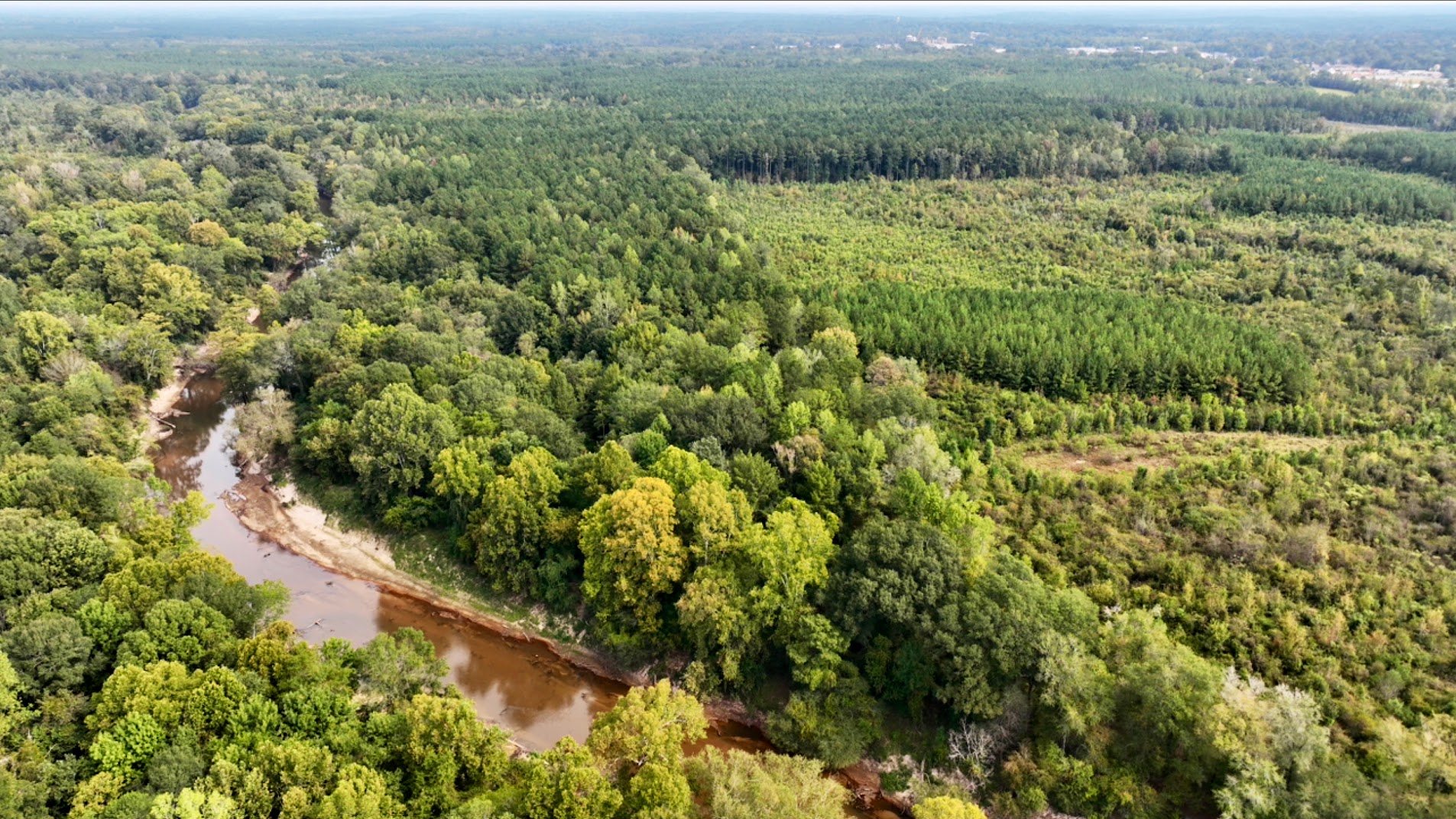
How Access and Operability Shape Timber-Sale Value: A Field Guide
Access, crossings, seasonal operability, deck locations, and haul distance shape how a standing timber sale is planned, marketed, and bid. This field guide reviews the access factors a consulting forester typically evaluates during pre-sale preparation and how those factors can influence buyer interest and bid structure.
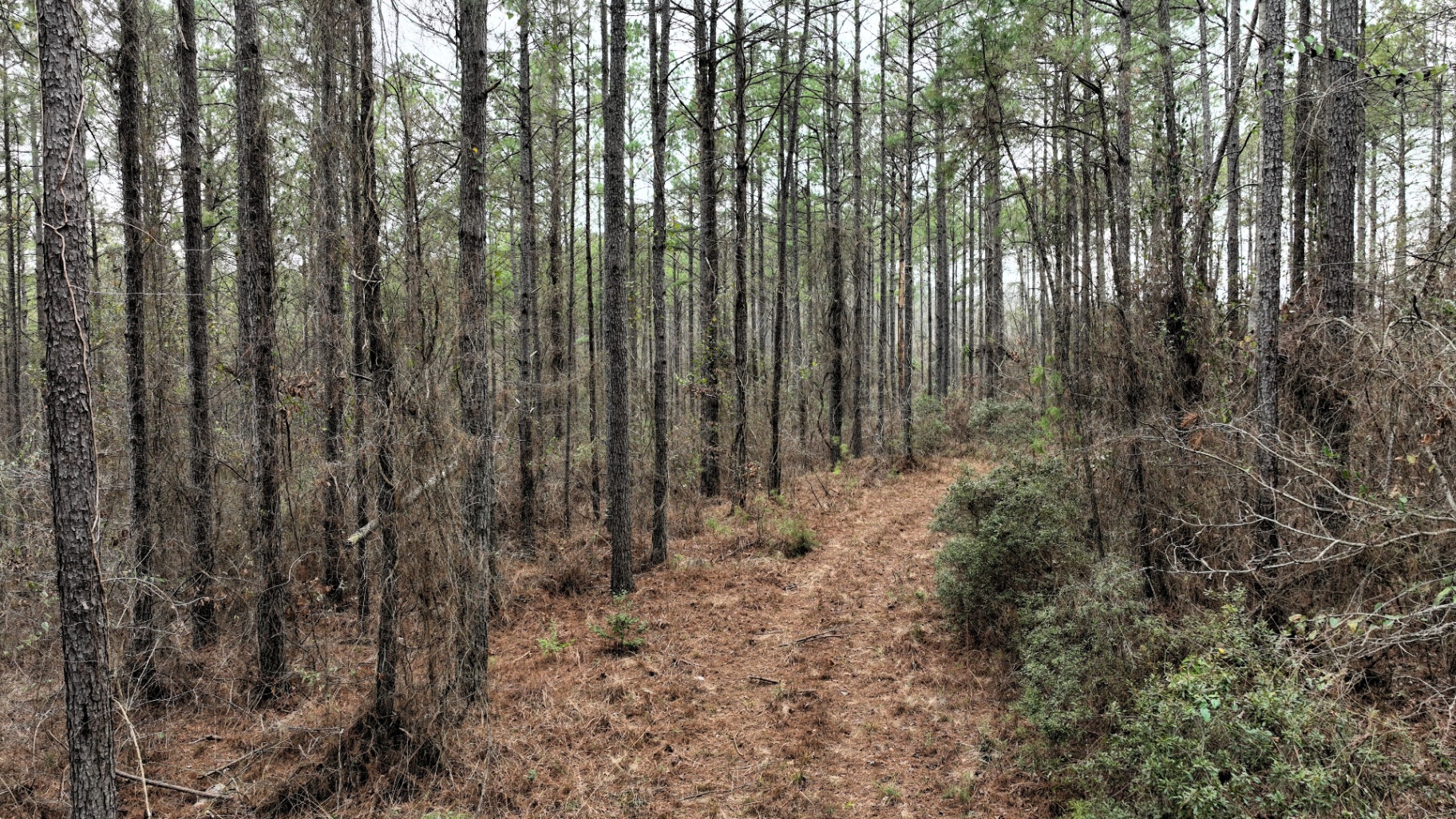
Why Winter-Logging Tracts Can Attract Stronger Timber Bids
When wet weather sidelines softer tracts, firm ground and dependable access can widen buyer interest. This guide explains how to market legitimate winter operability without promising logging through unsuitable ground conditions.
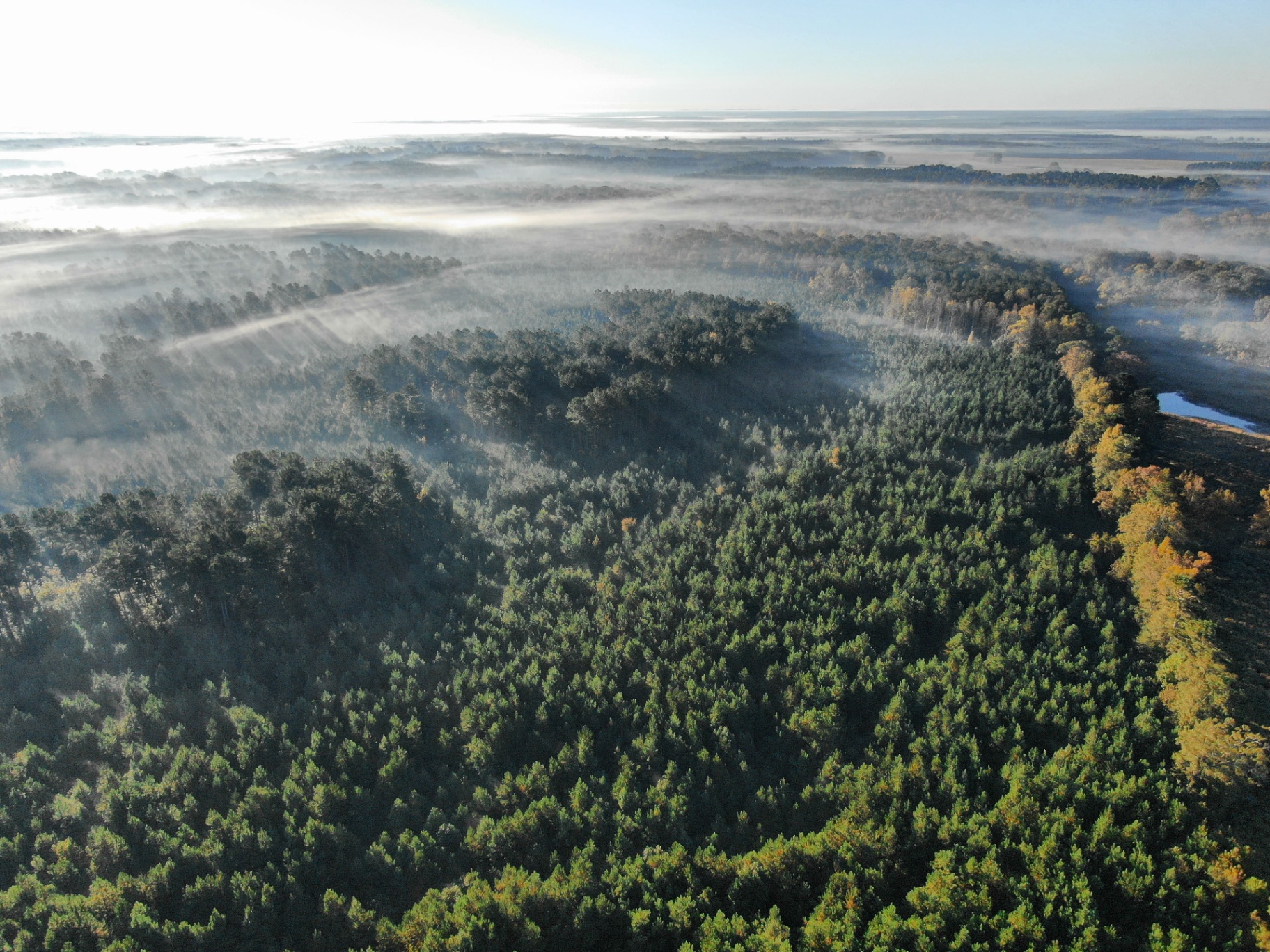
Drone Imagery for Stand Inventory and Boundary Review: A Field Guide
Drone imagery, an old paper map, and a recorded deed can be combined into a working stand and boundary reference for planning purposes. This field guide describes how drone-derived imagery is typically compared to deed calls and existing markers, and why the resulting map is a planning aid rather than a legal boundary determination.
Editorial standard
Every Field Note is written for landowners using the practical experience of registered foresters serving Mississippi and Alabama. Educational field guides are clearly identified as guidance or illustrative scenarios. Actual timber-sale results are published separately using verified sale figures while protecting landowner identities.
Independent representation. Transparent results.
Whether you have ten acres or ten thousand, our team works for the landowner — never the mill. Based in Meridian, MS and serving timberland across Mississippi and western Alabama.