
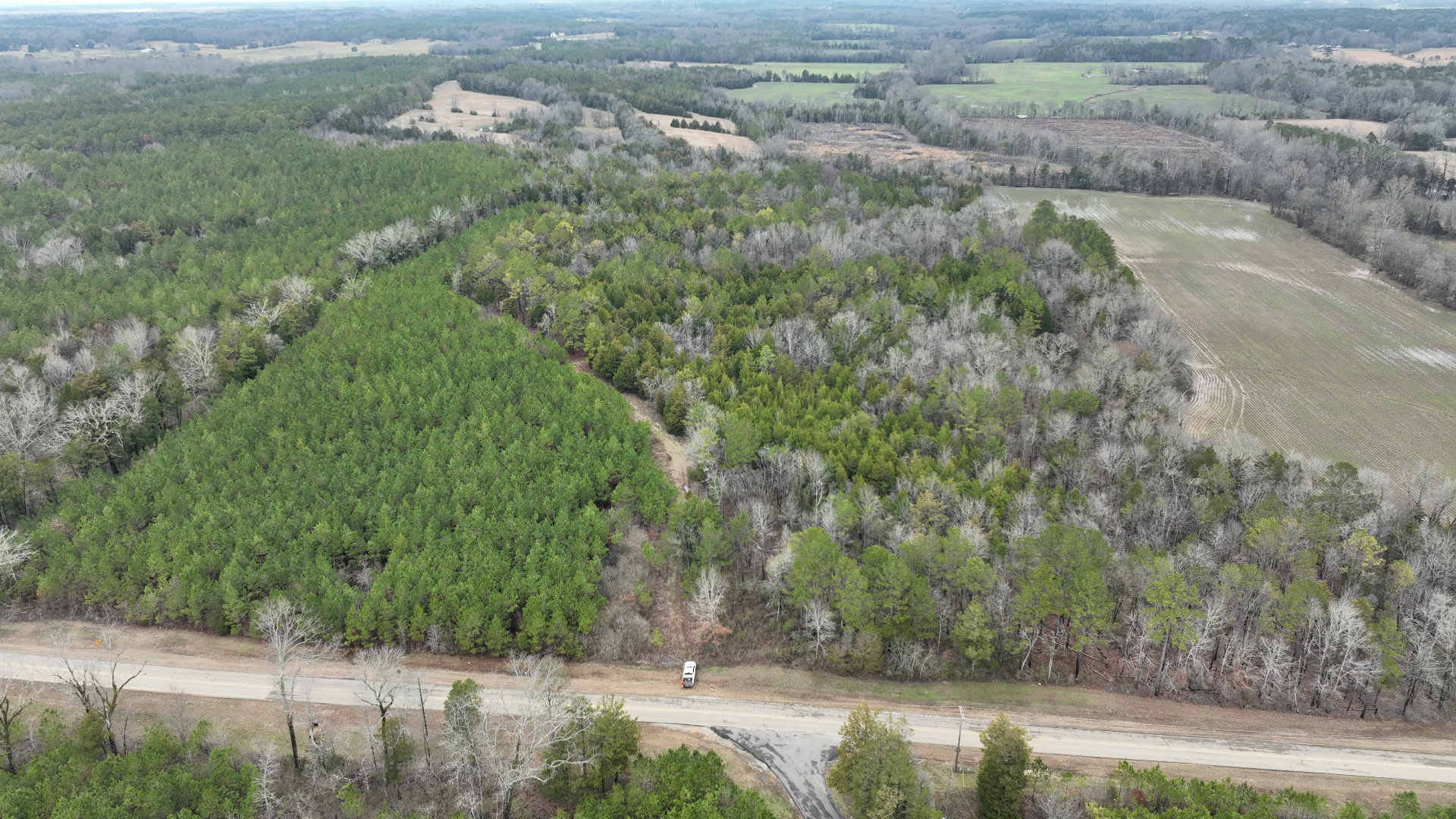
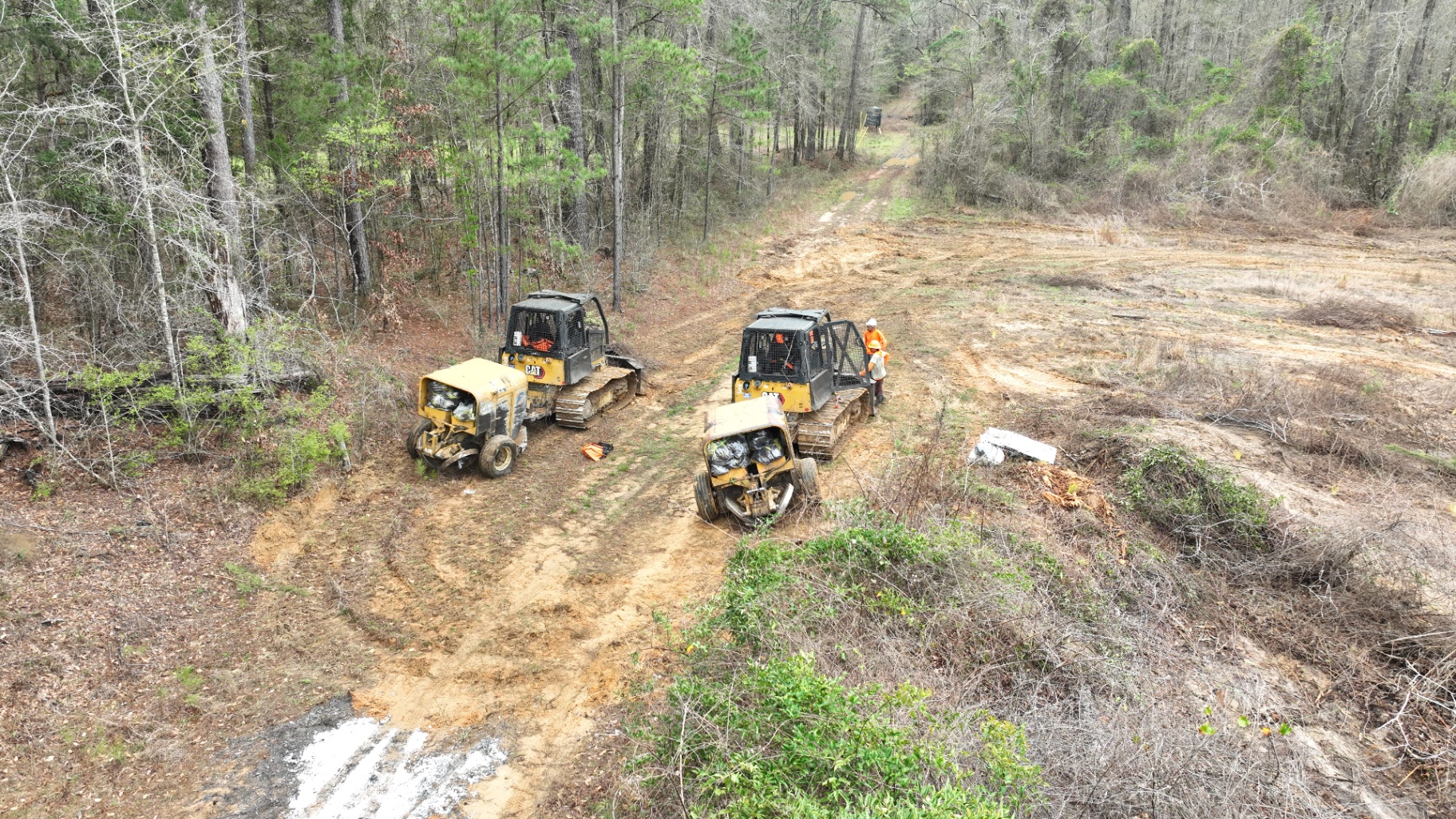
Regeneration is an essential practice in forest management, and it helps to ensure the health of forests. Regeneration practices help maintain a natural balance between plants, animals, and soil, which is essential for a healthy ecosystem. Regeneration methods include clearcutting, shelterwood, seed tree, and coppice.
Clearcutting
Clearcutting is a regeneration practice that involves cutting down all the trees in an area at once. Clearcutting provides open conditions for regenerating shade-intolerant species through planting or natural regeneration.
Shelterwood
Shelterwood is a regeneration practice that involves removing trees in stages over time. Retained overstory trees provide seed and partial shade while a new stand becomes established.
Seed Tree Regeneration
Seed tree is a regeneration practice involving leaving a few trees standing after clearing an area. These “seed” trees are then allowed to reseed the area with their offspring, creating a new forest of the same species. This method helps to reduce the amount of work needed to replant after a clearcut. Success depends on seed production, seedbed conditions, and control of competing vegetation.
Coppice
Coppice is a regeneration practice that involves cutting trees at ground level and allowing them to grow back from their stumps. Coppice relies on the sprouting ability of the species and the condition of the stumps.
Understory
Understory treatments can control competing vegetation and help tree seedlings become established, but they are not a separate regeneration system.
Regeneration practices are essential to maintaining healthy forests. They help to protect against pests and diseases, reduce the risk of wildfires, create more open habitats for wildlife, and promote a balance between plants, animals, and soil. Using regeneration practices regularly ensures that our forests remain healthy and vibrant for generations to come.
Let the experts at Southeast Forestlands help you with all your forestry needs including forest regeneration! Call us today!