Sumter County sits in the Black Belt of west central Alabama at the Mississippi line. The Sucarnoochee drains a good part of it. Most of the timberland is privately owned, and the ground varies more here than in the pine counties east of it.
Southeast Forestlands works only for the landowner. We do not buy timber and we are not paid by mills.
Rainfall Sets the Schedule
Much of this county is heavy clay that drains very slowly. Shallower ground over chalk is mixed in, with better drained slopes between.
On clay like that, rainfall sets the working window, not the calendar. A contract that names a finish date should also say what happens in a wet spell. Without that, the whole risk of a wet winter falls on the land.
Ask for wet weather shutdown terms in writing before work starts. That is an ordinary and fair thing to ask for here.
Growth Is Not the Same Across a Tract
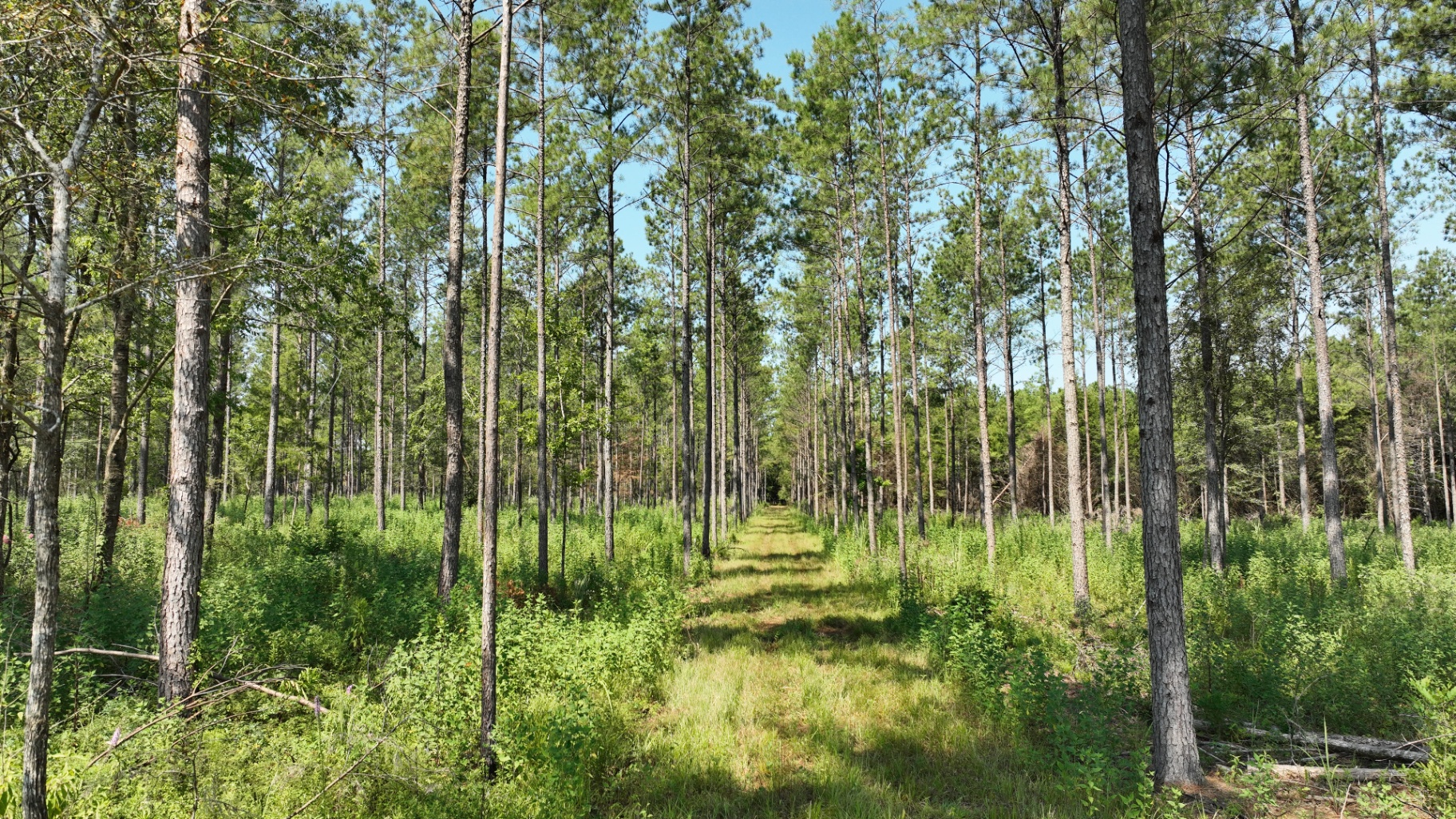
Pine does not grow the same way across one place in this county. What a neighbor's stand did on a well drained slope is not what to expect on shallow ground over chalk. Where a new stand is being planned, match the trees and the spacing to the ground you have.
The Black Belt also grows a fair amount of eastern redcedar. Cedar does not sell the way pine does. Expect it to be handled as its own question.
What to Settle First
Find the streams and the buffers along them. Confirm where equipment can and cannot go. Have the way in looked at in wet conditions if you can.
Then have the timber inspected for type, age, and stocking. Those tract facts, not a county description, are what a decision should rest on.
General Guidance
For more on how we handle each part of the work, start with these guides:
- What a timber cruise measures
- How a sealed-bid timber sale works
- How we sell timber
- Wet-weather logging and BMPs
- Thinning decisions
- Regeneration and replanting
- All forestry services
Talk It Over First
Talk with a forester before deciding anything. Contact us to discuss your goals; the first review of your property generally happens online.