Reforestation planning begins the moment a final harvest is scheduled — not the year after the logging trucks leave. The decisions made between harvest closeout and year-three release treatments shape stand quality, future thinning income, wildlife value, and long-term timber returns more than any single planting decision in isolation.
At Southeast Forestlands, we walk each harvested tract before recommending a regeneration path. Soil type, drainage, slope, residual competition, logging debris, access, and the landowner's long-term goals all shape whether a property is best suited for improved loblolly pine, longleaf pine restoration, natural regeneration, or a wildlife-focused mix. We work for the landowner — not mills, loggers, planting contractors, or seedling vendors — so every recommendation is built around the property and the owner's objectives.
Educational Scenario — Planning Reforestation After Storm Damage
Example forestry scenario for local landowners.After a wind event, planning may begin with a damage assessment to gauge how much standing timber remains merchantable and whether a salvage sale is feasible in the current market. Depending on site conditions, a reforestation plan can address site preparation, species and seedling selection, planting method and density, competition control, and follow-up survival checks. Actual outcomes depend on the site, weather, and how each step is executed.
What Reforestation Looks Like on the Ground
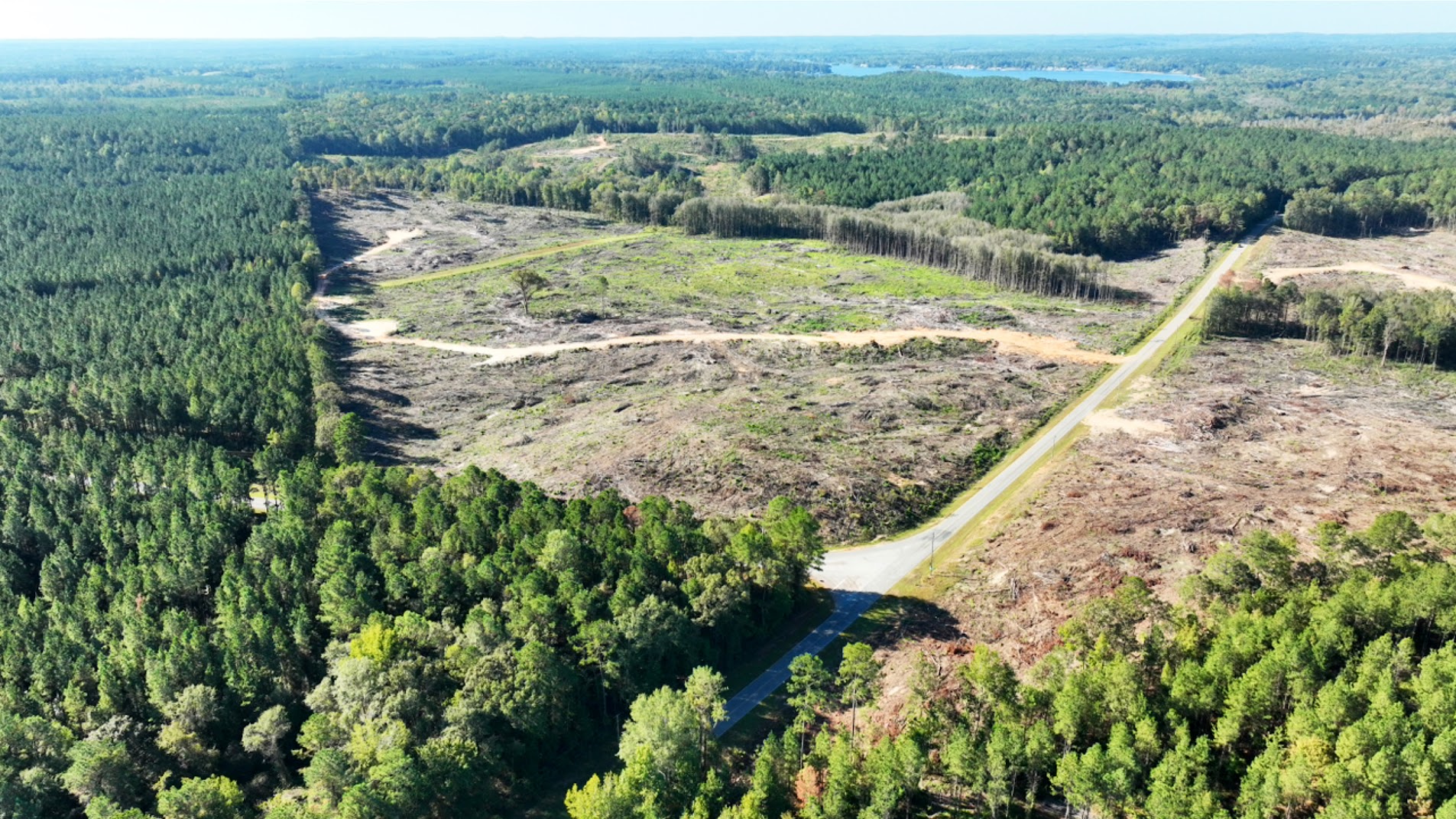
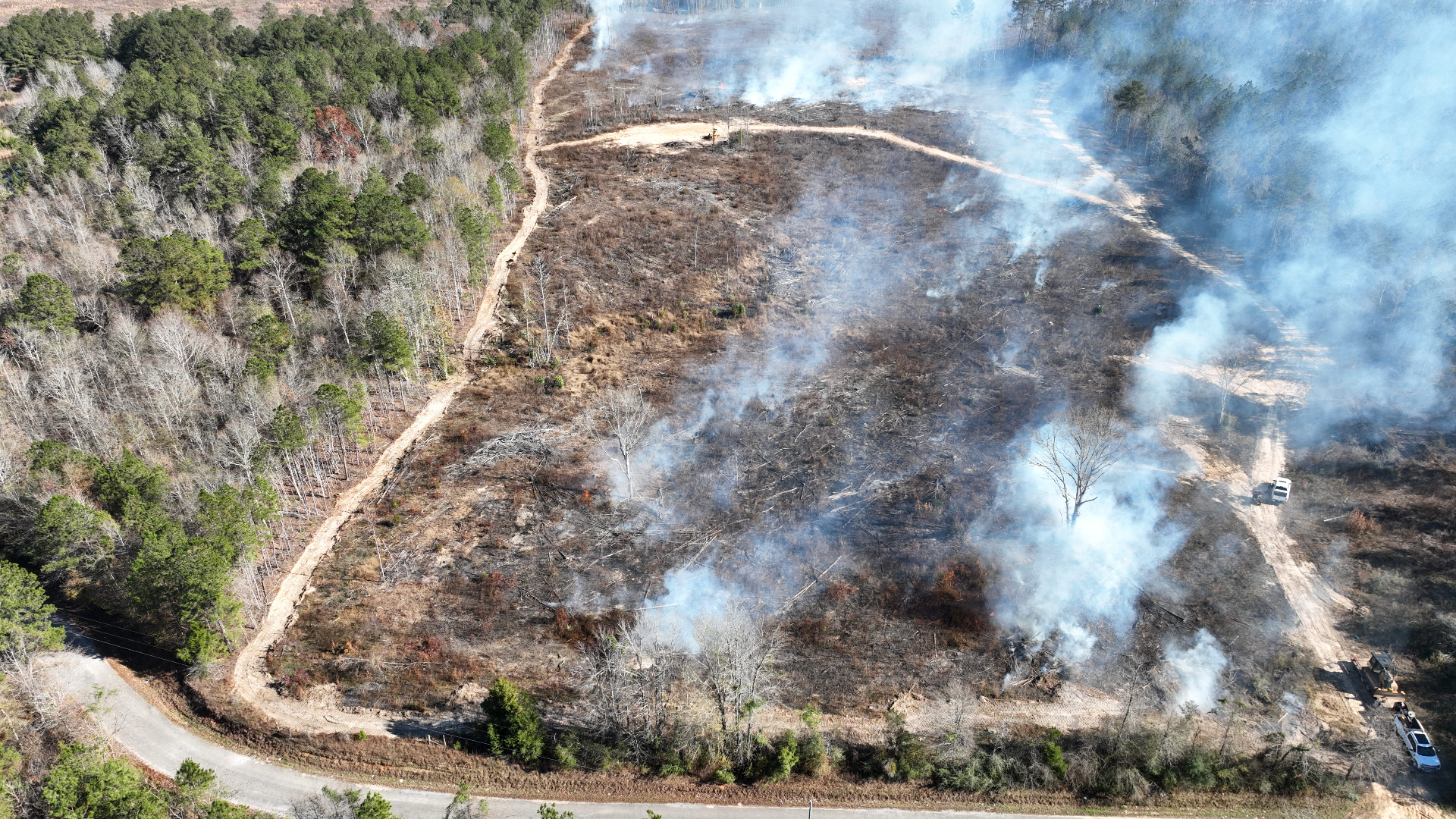
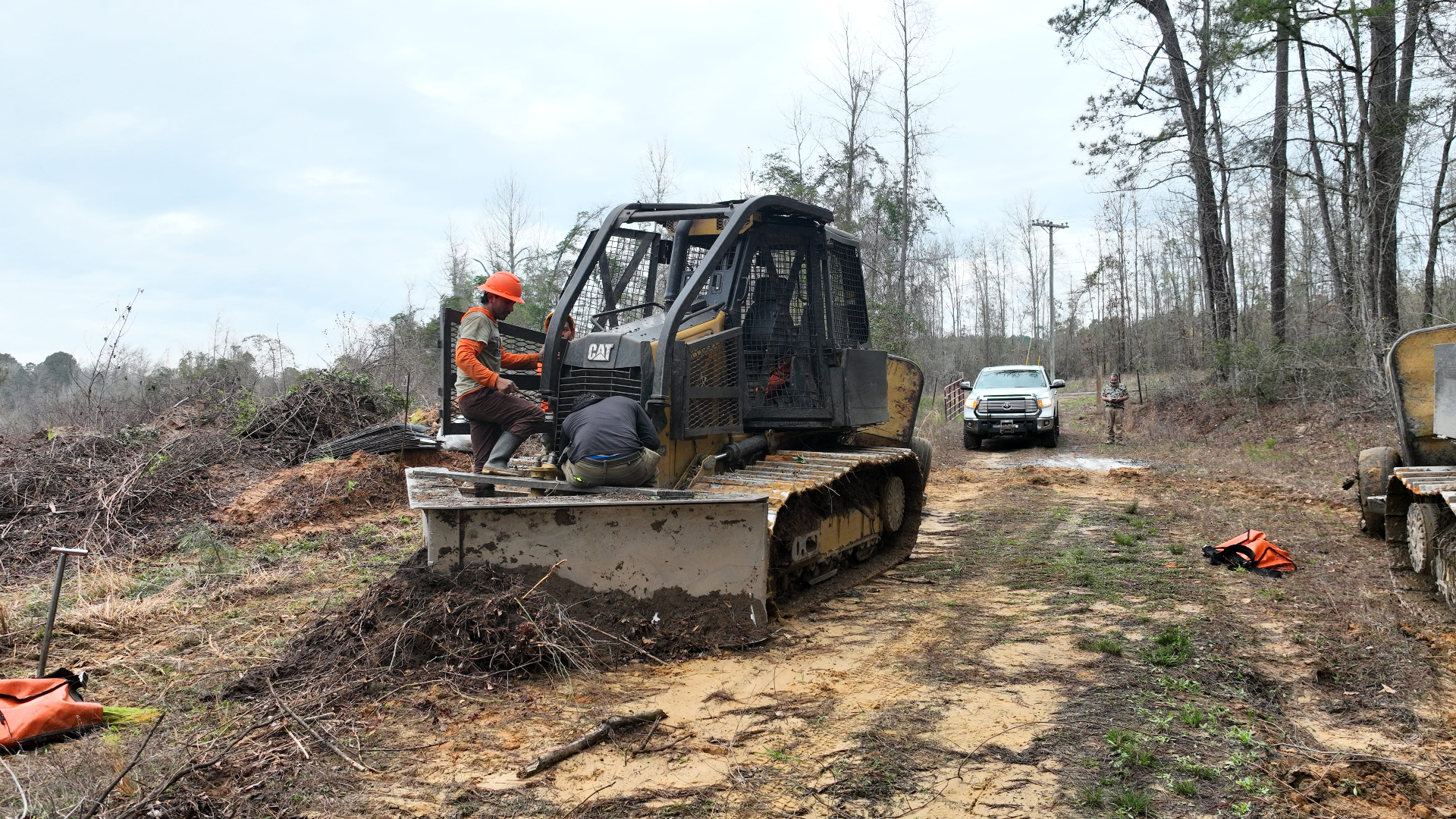
From Harvest to the Next Timber Stand
Reforestation is a sequence, not a single event. Each step protects the value of the next. Skipping any one of them tends to show up later — in survival counts, in stocking, or in the size and quality of the first thinning a decade out.
Walk the property, review soils, drainage, residual stand, logging debris, and competition pressure before any prescription is written.
Align species selection, site prep method, and planting density with the landowner's timber, wildlife, and ownership objectives.
Source quality seedlings, schedule planting during the dormant season, and oversee crew performance and planting depth in the field.
First-year survival checks, herbaceous and woody release, and early growth inspections protect the investment through canopy closure.
Site Preparation Often Determines Success More Than Planting
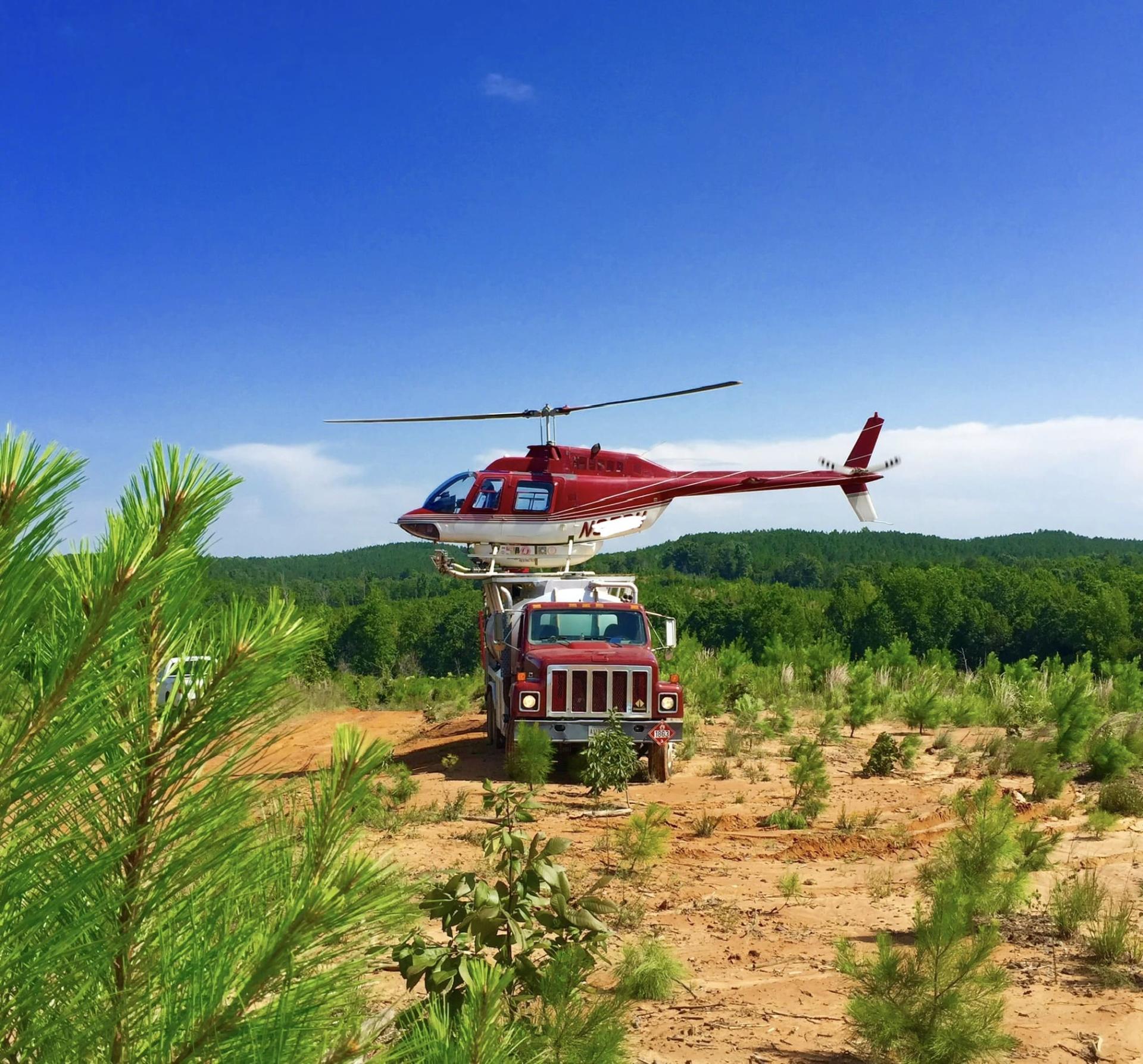
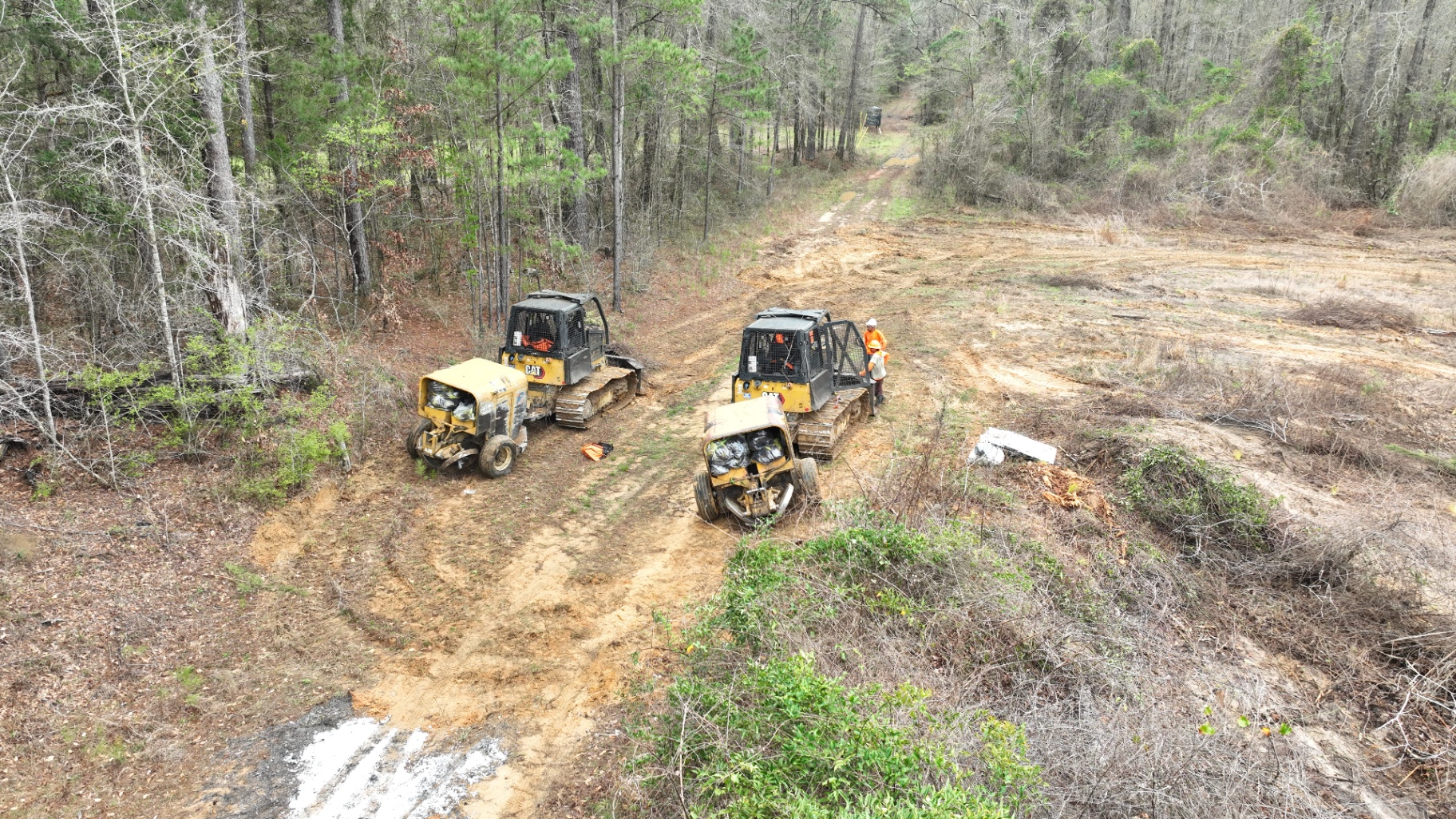
Most reforestation failures we see trace back to site preparation that was rushed, skipped, or poorly matched to the site. Competing hardwoods, dense logging slash, heavy herbaceous pressure, or compacted skid trails will limit survival and early growth no matter how good the seedlings are.
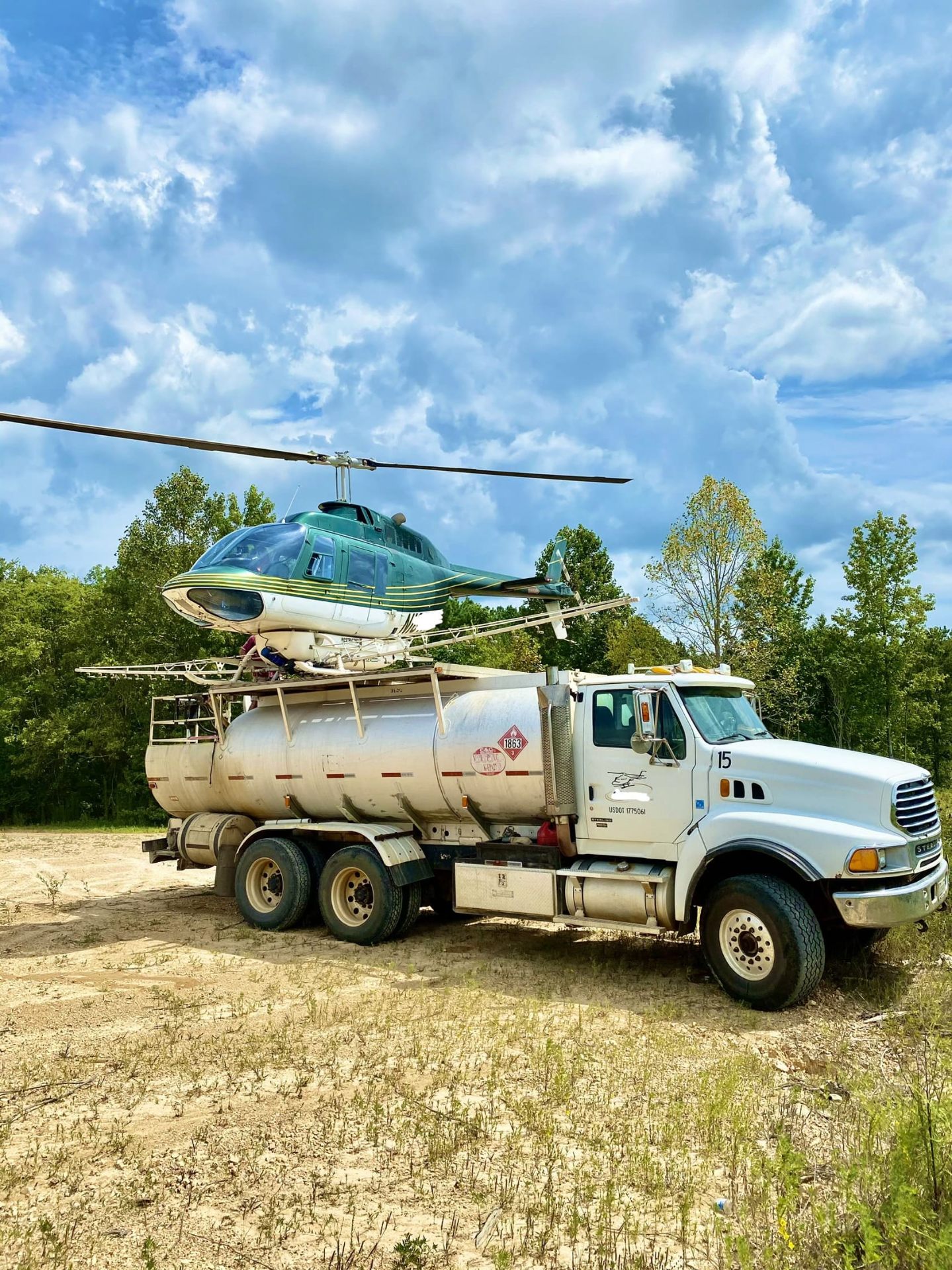
Depending on the tract, recommendations may combine mechanical site prep, chemical site prep, and prescribed burning, followed by herbicide release treatments in years one through three. The right combination is site-specific — there is no default prescription that fits every cutover in Mississippi and Alabama.
Cost-Share Programs Help — But Should Not Drive the Plan
USDA programs (EQIP, CRP) and state forestry incentives can offset a meaningful share of site preparation, seedling, and planting costs. As a USDA Technical Service Provider, we help landowners understand what they may qualify for and how each program's requirements interact with the management plan.
Cost-share is a tool, not a strategy. The right reforestation plan is the one that fits the property and the owner's goals; available funding should shape how the work is paid for, not whether it should be done. A written forestry management plan keeps each decision aligned with long-term objectives across the full rotation.
Loblolly vs. Longleaf — Two Different Tools
Loblolly pine and longleaf pine are the two most common reforestation choices across Mississippi and Alabama. They serve different sites and different ownership goals, and the choice between them is one of the most consequential decisions made after harvest.
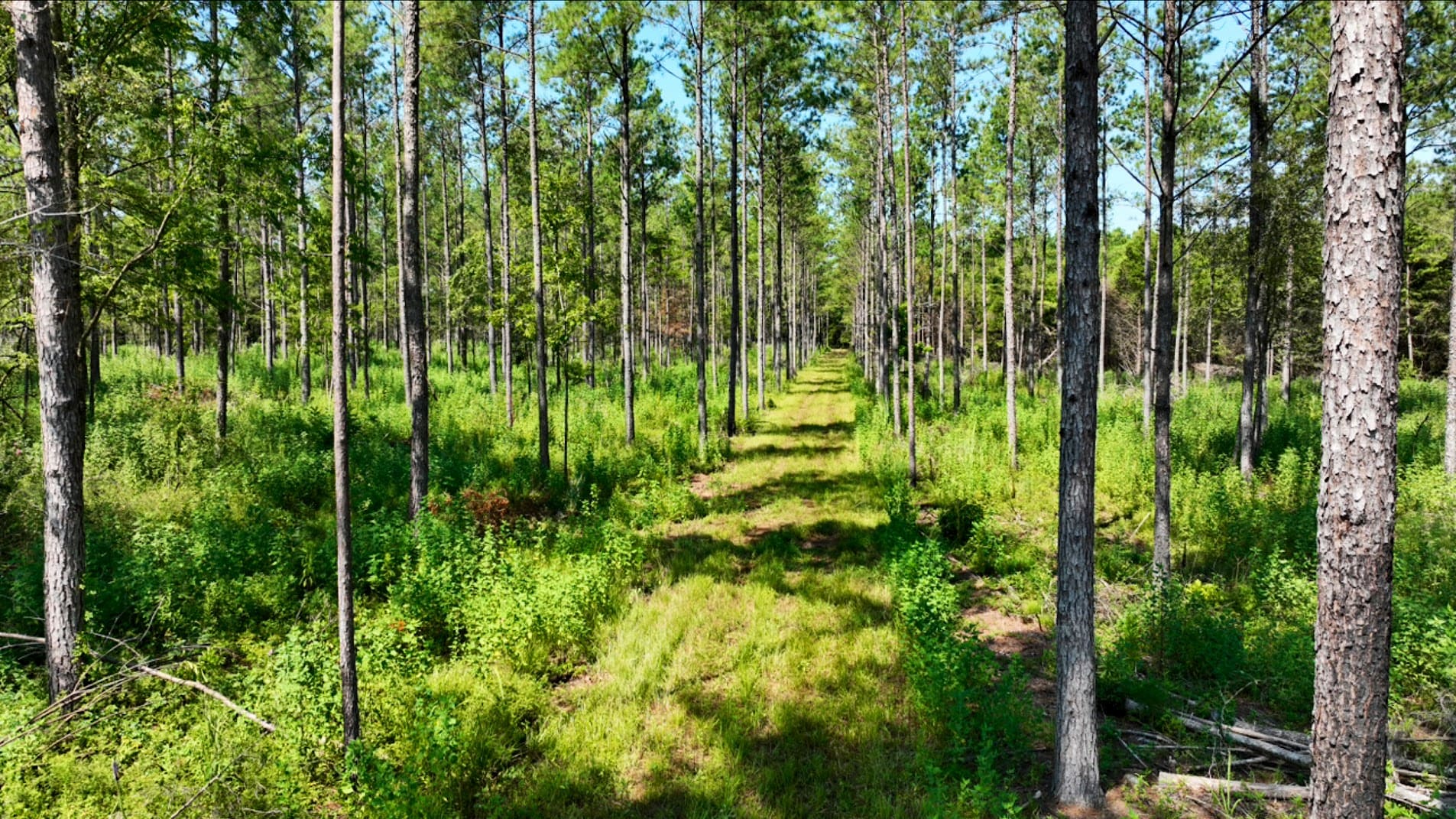

The best species depends on site conditions, ownership objectives, wildlife goals, soil characteristics, and long-term management plans. Southeast Forestlands evaluates each tract individually before recommending a regeneration strategy.
Common Reforestation Mistakes That Cost Landowners Money
Every season a cutover sits unmanaged, competition builds and site prep gets more expensive.
Loblolly, longleaf, and natural regeneration each have a place. The site and the owner's goals dictate the choice.
Inadequate prep is the leading cause of low survival and poor early growth in the stands we inspect.
Hardwood sprouts and aggressive herbaceous growth can overwhelm young seedlings inside two seasons.
The cheapest prescription rarely produces the most valuable stand at first thinning.
Planting crews and chemical applicators work to a scope. Building that scope is the forester's job, not the contractor's.
For broader stand decisions and rotation planning, see our forestry consulting in Mississippi, current Mississippi timber prices, and timber appraisal services.
Why Landowners Choose Southeast Forestlands for Reforestation
Licensed forestry expertise in Mississippi and Alabama, with reforestation prescriptions written and signed by a credentialed forester.
We work for landowners — never mills, timber buyers, planting crews, or seedling vendors. Recommendations are accountable to the property and the owner.
Experience working with EQIP, CSP, and conservation planning programs to capture eligible cost-share for site prep, planting, and release.
Every tract receives recommendations based on soils, access, ownership objectives, and on-the-ground site conditions — not a default prescription.
Guidance on species selection, regeneration strategies, and long-term management goals, including how each species fits future timber sale outcomes.
Survival inspections, competition control recommendations, and establishment monitoring — backed by drone mapping and timber appraisal support as the stand matures.
Reforestation cost-share is available through NRCS EQIP. Seedling sourcing and species guidance for Mississippi tracts are published by the Mississippi Forestry Commission and MSU Extension Forestry. Replanting prescriptions on Southeast Forestlands tracts are written by Eric Entrekin, Registered Forester (MS & AL).
Field guide: Cost-share considerations for pine establishment.