
If you own timber in Kemper County, you're working ground that sits between Meridian's mill cluster and the Alabama-line haul corridor. US 45 and MS 16 carry trucks in and out, but a lot of what moves through here is large industrial volume — when one of those tracts hits the market, the local pulpwood and chip-n-saw queue fills up fast and small private tracts get whatever's left.
I work with landowners around DeKalb, Scooba, and Preston on stand evaluations, sale structuring, and longer-range planning before a saw ever runs. Kemper grows good pine — flatwoods loblolly on the uplands, hardwood drains running through the low ground — but timing and competition usually move the needle more than the timber itself.
Why Kemper County Timber Requires a Structured Approach
Kemper County contains extensive timberland, with large pine plantations across flat terrain and hardwood drains running through low areas.
Because of that:
- similar timber often enters the market at the same time
- pulpwood markets can become saturated quickly
- smaller tracts compete with larger industrial volume
- access and wet conditions can limit logging windows
When supply increases and competition drops, pricing becomes inconsistent — even when timber quality is strong.
Example from the field: On a Kemper County loblolly tract a few miles off MS 16, the landowner had an at-the-gate offer in hand before we walked in. After a cruise and a sealed-bid round to mills working out of the Meridian and west-Alabama corridor, the high bid came back materially stronger than the original number — same trees, just a structured process and real competition.
Where Timber Sales Break Down
In many cases, outcomes are limited by:
- lack of a current timber valuation
- limited exposure to qualified buyers
- contracts that don’t fully protect the property
- no oversight once harvesting begins
These factors can affect both sale pricing and long-term stand performance.
Timber Sales Structured for Competition
A timber sale should be designed around the tract — not driven by convenience or timing pressure.
Southeast Forestlands structures timber sales to create competition and protect the property throughout the process.
This includes:
- on-site timber cruising and valuation
- identifying product mix (pulpwood, chip-n-saw, sawtimber)
- marketing to multiple qualified buyers
- sealed bid or negotiated sale strategy
- seller-protective contract development
- active harvest supervision
This protects:
- sale price
- roads and access
- soil stability and drainage
- SMZs
- future timber value
Real Timberland Inspection — Kemper County, Mississippi
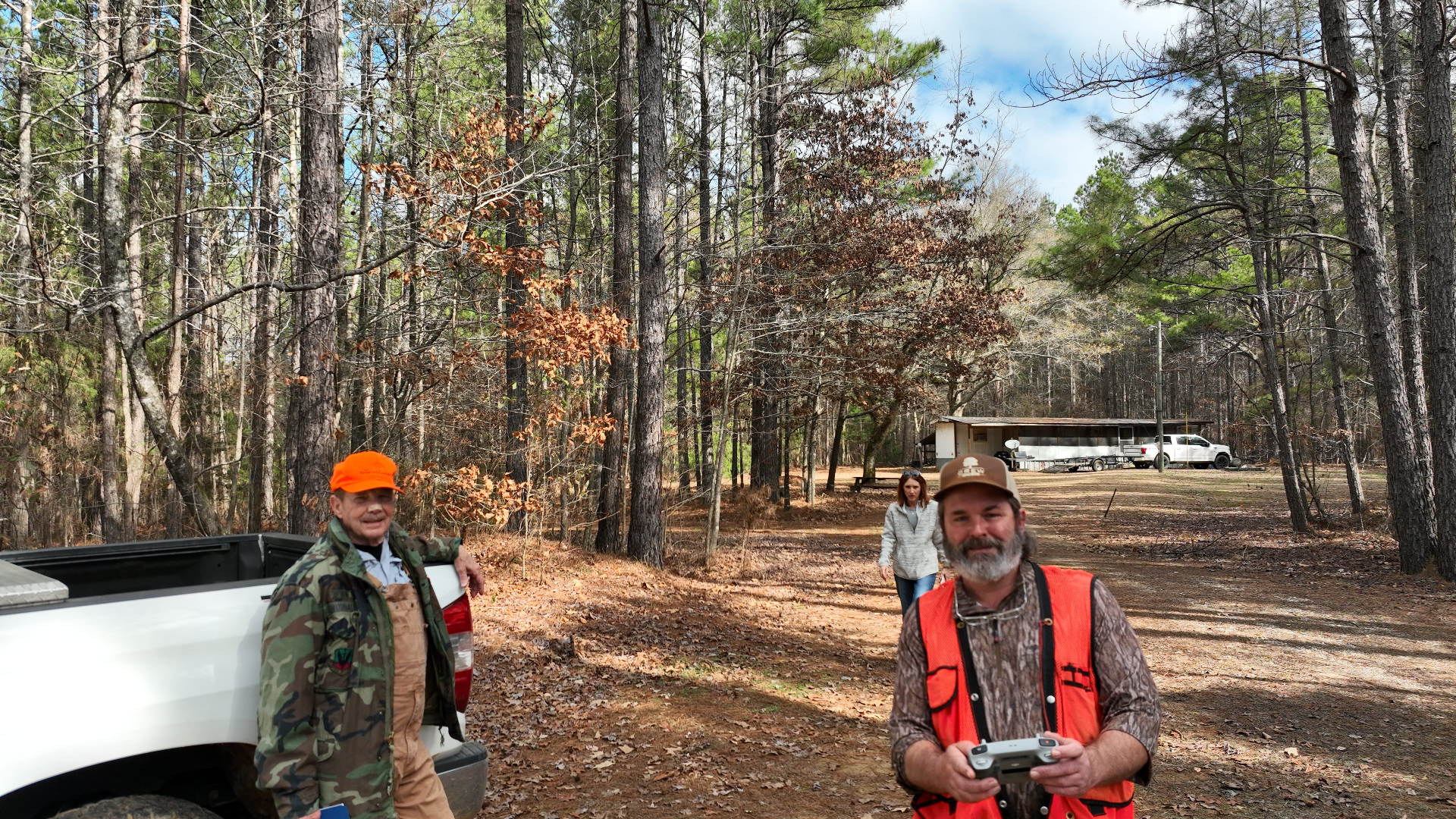
This video shows a real Southeast Forestlands property inspection in Kemper County, Mississippi, highlighting stand condition, stocking levels, and the types of pine plantations evaluated before thinning or timber sale decisions.
Every tract is different, but proper stand evaluation, market timing, and sale structure are critical to protecting long-term timber value.
Market Timing Matters More Than Price Rumors
In Kemper County, timing often matters more than short-term price discussions.
When markets become oversupplied, many landowners delay thinning or harvesting decisions.
Meanwhile, stands continue to develop, and without proper management, that growth does not always translate into higher value.
Overstocked stands can:
- reduce diameter growth
- delay thinning windows
- limit future sawtimber development
The correct time to thin is based on stand condition — not speculation about future pulpwood prices.
Example: Structured Sale vs Single Offer
A recent example involved a 120-acre loblolly pine tract near DeKalb. The stand was heavily stocked, with wet areas affecting access. An initial informal offer came in at $1,800 per acre.
After identifying higher-value product classes and marketing the tract through sealed bids to multiple mills in surrounding markets, the sale closed at $2,400 per acre. The landowner also retained approximately 20 acres for continued growth and hunting income.
The difference came from evaluation, competition, and timing.
Forestry Planning That Works on Kemper County Ground
Every tract in Kemper County has different site conditions.
Effective planning considers:
- managing stand density before growth slows
- designing access around wet draws and low areas
- matching species to site conditions
- structuring long-term management between harvest cycles
Thoughtful planning supports both productivity and long-term land value.
Nearby Markets Influence Kemper County Pricing
Timber from Kemper County competes with supply from surrounding areas, including:
- Lauderdale County, Mississippi
- Neshoba County, Mississippi
- Newton County, Mississippi
- Winston County, Mississippi
- Noxubee County, Mississippi
Market conditions across these counties often affect buyer demand, haul routes, and pricing.
Harvest Supervision in the Field
Timber harvest supervision is where land protection actually happens. On Kemper tracts that have gone a rotation without management, a planned prescribed burn before the next thinning usually clears enough understory to keep the logger honest about residual stand damage.
When equipment is on the ground, decisions are being made in real time — how roads are used, how SMZs are protected, and how closely operations follow contract terms.
This is where the difference between a clean job and long-term damage becomes clear.
Start With a Clear Look at Your Property
If you own timberland in Kemper County, the first call isn't a sales pitch. It's a conversation about what you actually have and what the current market is paying for it.
I'll ask what you own, what you're trying to do with it, and whether there's already an offer on the table. From there we'll walk the tract, look at stocking, access, and product mix, and talk through whether a sale, a thinning, or another year of growth fits the property best.
Once timber leaves the stump, those decisions don't come back. A little time on the front end almost always saves real money on the back end.
Contact Southeast Forestlands about your Kemper County timber and start with a clear-eyed look at the property.
About Kemper County, Mississippi for Timberland Owners
Kemper County runs from the Sucarnoochee bottoms up into the rolling pine ground around DeKalb and Scooba, with US 45 carrying most of the haul south to Meridian and east into Sumter County mills across the Alabama line. The working ground is mostly loblolly plantation, with mixed pine-hardwood on the slopes and harder hardwood pockets in the Pawticfaw and Chickasawhay drains.
Two practical problems show up over and over on Kemper tracts. The first is heir-property — three or four names on a deed, nobody talking, and a buyer who is happy to wait for one of them to crack. The second is the haul math on the far north end of the county, where a few extra miles can be the difference between two real bidders and one walk-up offer. Both are solvable, but neither solves itself. A current timber appraisal in writing is what gives a divided family something concrete to talk around instead of past each other.


