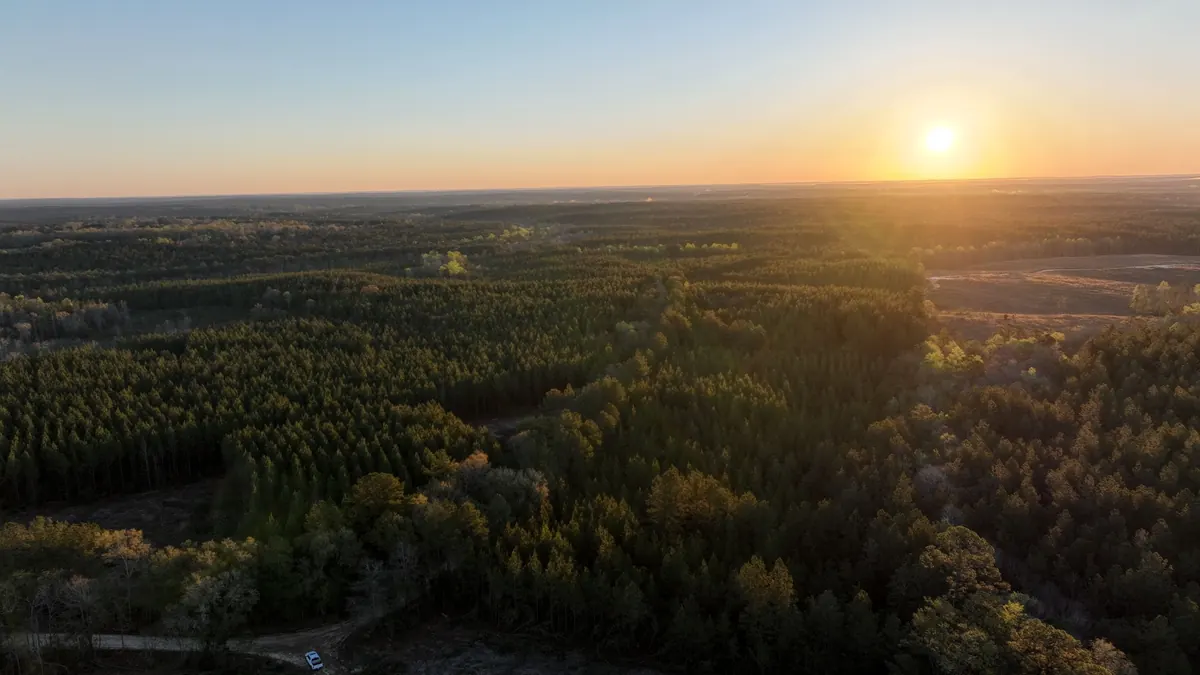
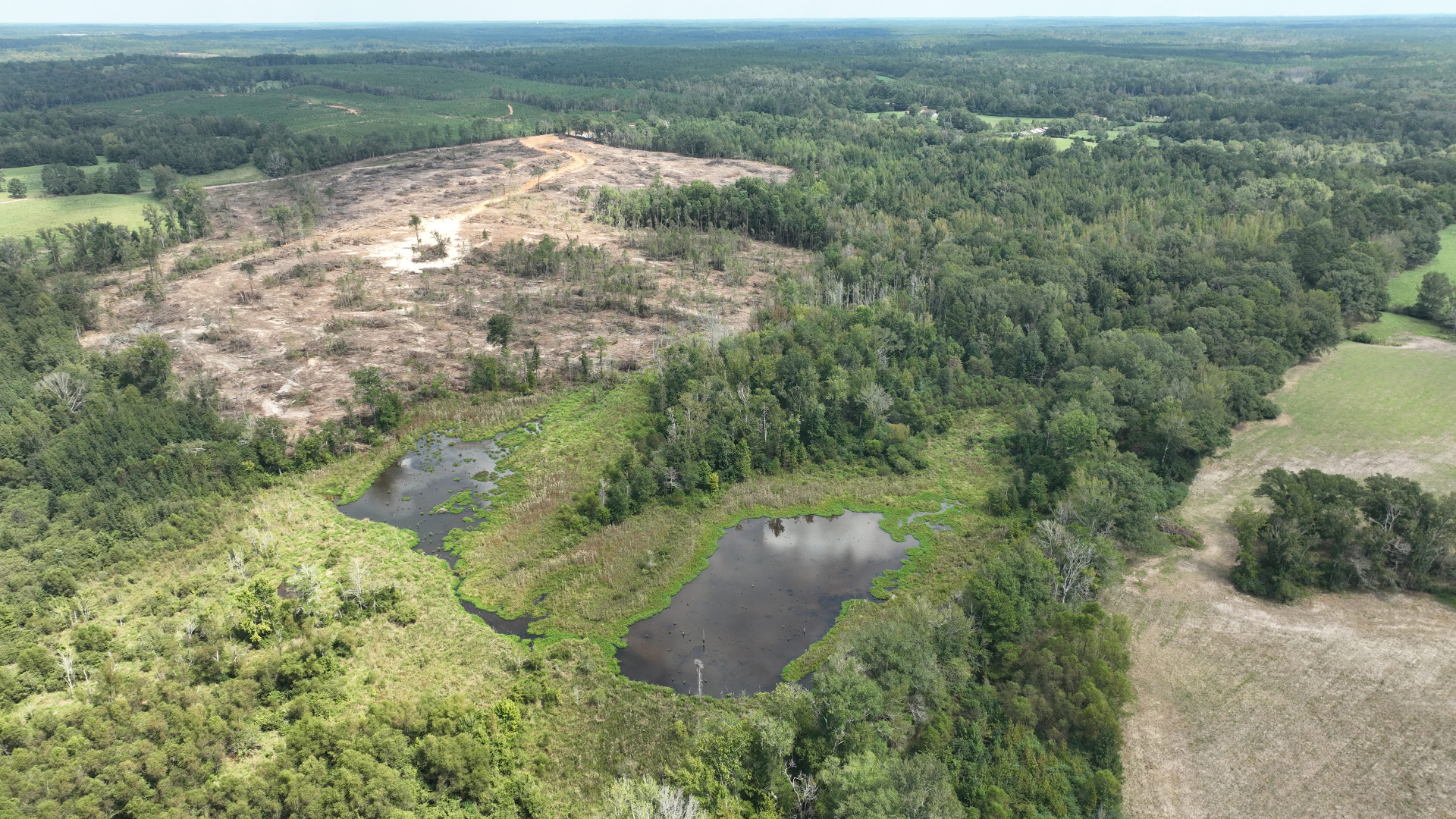
Neshoba County sits in the Pearl River headwaters with Philadelphia at the center and MS 16, MS 21, and MS 19 carrying most of the truck traffic out toward the mills around Meridian, Newton, and Louisville. A lot of these tracts are smaller — 20 to 80 acres is common — and the Choctaw Reservation, family timberland, and absentee-owned ground all sit shoulder-to-shoulder, which means buyers know the lay of the land and the offers come fast.
I work with landowners around Philadelphia, Union, House, and Deemer on stand evaluations, sale structuring, and replanting decisions before a logger shows up at the gate. Most of what I walk in Neshoba is mid-rotation loblolly on rolling Bienville-soil uplands with hardwood drains feeding the Pearl — good growing ground, but tract size and access usually shape the bid spread more than the timber itself does.
Why Neshoba County Timber Requires a Structured Approach
Neshoba County is a mix of pine plantations, smaller private tracts, and hardwood bottoms along the Pearl River system.
Many properties fall in the 20–75 acre range — and that changes how timber is marketed.
Across the county, common conditions include:
- smaller tract sizes that limit buyer competition
- mill quotas that affect thinning markets
- mixed stands requiring careful valuation
- access and drainage that impact operability
Timber value is also influenced by nearby markets such as Lauderdale County, Mississippi, Newton County, Mississippi, and Kemper County, Mississippi — where buyer pools and mill access are often stronger.
If your timber isn’t positioned to reach those markets, value is limited before the sale even begins.
Example from the field: On a 45-acre tract east of Philadelphia, the family had been told the timber 'wasn't really worth selling' by a passing buyer. A cruise showed a first-thinning was overdue and the chip-n-saw class was already there — once it was marketed to multiple mills in the Newton and Meridian sheds, the bids came in well above what the family had been led to expect.
Where Value Gets Left on the Table
Most issues follow a predictable pattern:
- no professional timber valuation
- accepting a single offer instead of creating competition
- contracts that don’t fully protect the property
- no oversight once harvesting begins
That’s how good timber underperforms.
In Neshoba County, smaller tracts and quota-driven buying make these issues more common.
Timber Sales Structured for Competition
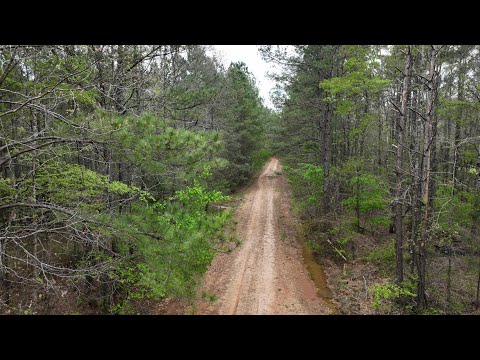
A timber sale should be designed — not rushed.
Southeast Forestlands structures sales to create real competition while protecting the property throughout the process.
Our approach includes:
- on-site timber cruising and valuation
- identifying product mix (pulpwood, chip-n-saw, sawtimber)
- marketing to multiple qualified buyers
- sealed bid or negotiated sale strategy
- seller-protective contract development
- active harvest supervision
This protects:
- sale price
- roads and access
- soil stability and drainage
- SMZs
- future timber value
Learn more about Timber Sales & Representation in Mississippi
Harvest Supervision in the Field
Timber harvest supervision is where land protection actually happens.
When equipment is on the ground, decisions are being made in real time — how roads are used, how SMZs are protected, and how closely the operation follows contract terms.
Without oversight, small issues turn into long-term damage.
With active supervision, those risks are addressed as the work happens.
This is where the difference between a clean job and a costly one shows up.
Before You Sell — Understand the Tract
Every tract in Neshoba County operates differently.
We evaluate:
- internal access and haul routes
- wet-weather operability
- stand density and growth stage
- product class distribution
- constraints that affect logging efficiency
This is where most costly mistakes are prevented.
Get clarity with a Professional Timber Appraisal Before You Sell
See how Drone Mapping & GIS Improve Property Evaluation
Independent Means You’re Protected
We do not buy timber.
We do not represent mills.
We do not work for logging crews.
We represent the landowner.
That means:
- no pressure to sell
- no conflict of interest
- no shortcuts
Just clear, objective guidance based on your land.
Explore our Forestry Consulting Services for Landowners
Management Often Beats Waiting on the Market
Many landowners wait for “better markets” while stands continue to change.
In many cases, active management produces stronger outcomes than waiting.
That may include:
- Thinning at the correct stage
- Timber Stand Improvement (TSI)
- Herbicide and Competition Control
- Prescribed Burning
- Reforestation Planning
Both rushed decisions and delayed decisions can reduce value.
Structured decisions build it.
Neshoba County Timber Market Reality
Timber value in Neshoba County is influenced by:
- mill demand and quota cycles
- tract size and access
- product mix and stand maturity
- logging crew availability
- proximity to stronger surrounding markets
If multiple buyers are not involved, you are not seeing full market value.
Competition creates leverage.
Questions Neshoba County Landowners Ask
Do small tracts reduce timber value?
Not necessarily — but they require stronger marketing and buyer exposure to generate competition.
Should I wait for better timber prices?
Timing should be based on stand condition and access to markets, not speculation alone.
How do I get better bids?
Structured sales that involve multiple qualified buyers consistently produce stronger results.
Is a consulting forester worth it?
In many cases, professional representation improves both return and land protection.
Harvest Supervision in the Field
Timber harvest supervision is where land protection actually happens.
When equipment is on the ground, decisions are being made in real time — how roads are used, how SMZs are protected, and how closely the operation follows contract terms.
This video shows what that looks like during an active timber harvest in Neshoba County.
Without oversight, small issues turn into long-term damage. With active supervision, those risks are addressed as the work happens.
Start With a Clear Look at Your Property
If you own timberland in Neshoba County, MS, the first step is understanding what you have — and what the right move actually is.
Every tract is different.
Every market window is different.
Once timber is sold, those decisions can’t be undone.
Contact Southeast Forestlands about your Neshoba County timber and move forward with clear, informed decisions.
About Neshoba County, Mississippi for Timberland Owners
Neshoba County, Mississippi centers on Philadelphia and is reached by MS 16, MS 19, and MS 21, with timber moving through Newton, Philadelphia-area pulpwood, plus haul to Meridian and Louisville. Drainage across the county follows the Pearl River headwaters, Tallahaga, and Tuscolameta, and most working timberland is loblolly plantations on red-clay uplands across the Pearl River headwaters in the east-central hill country.
For landowners managing tracts here, the recurring practical issue is beetle pressure and variable site quality across the county. Decisions on thinning timing, sale structure, and reforestation should be made with those local conditions in mind rather than from a generic regional template.