Timber Sales & Forestry Services, Leake County, MS
Timber Sales and Forest Management With Clear Guidance
Leake County, Mississippi, timberland can be productive and valuable, but selling timber involves far more than watching trees grow and choosing when to cut. Pricing, harvest execution, and marketing all determine whether a landowner receives a fair return. Without careful planning and guidance, even good timber can be undervalued or harvested in ways that create long-term problems for the property.
Timber sales depend on properly caring for the land, managing harvest operations, and exposing timber to the right buyers at the right time. Properties in Leake County vary widely in soil conditions, access, stand composition, and management history. Some tracts benefit from additional thinning or improvement before a sale, while others are ready for market but need disciplined planning to protect roads, soils, and residual timber. Understanding these factors early is what separates a structured sale from a rushed one.
That is where independent forestry guidance matters.
Southeast Forestlands works for landowners in Leake County as an independent forestry consulting firm. We do not buy timber or represent mills. Our role is to help landowners understand what they own, what it is worth in the current market, and how to move forward in a way that protects both income and the land itself. Landowners may choose full representation or guidance on a single step, depending on their needs and objectives.
Local Market Knowledge That Reduces Risk
Timber markets do not stop at county lines. Mill demand, haul distance, and buyer competition often overlap across neighboring counties — especially where mill baskets and trucking corridors intersect.
For landowners with property that trends south and west — or where shared mills influence pricing — our Forester & Timber Sales in Madison County, MS page may also be useful:
Timber Appraisals, Marketing, and Timber Sales
A timber sale is often one of the most financially significant decisions a landowner will make. Without professional representation, landowners are exposed to undervaluation, unclear contract terms, and harvest outcomes that prioritize convenience over land protection. A proper sale begins with evaluating species mix, volume, quality, access, and operability. From there, a professional appraisal establishes fair-market expectations based on current demand rather than assumptions.
Marketing timber is not simply finding a buyer. Competitive exposure allows qualified buyers to compete, often improving pricing and strengthening contract terms. The timber sale contract serves as the landowner’s protection — defining payment terms, boundaries, road use, wet-weather limits, streamside protections, cleanup standards, and accountability during harvest. Oversight during operations helps ensure those protections are followed in real-world conditions and reduces the risk of rutting, erosion, and residual stand damage.
Forestry Management Plans and Stand Improvement
Many landowners are not ready to sell — and many should not be. A forestry management plan provides direction without pressure, clarifies current stand conditions and future potential, and outlines steps to improve outcomes over time. This may include thinning schedules, timber stand improvement priorities, regeneration planning, and long-range timing aligned with income goals, legacy ownership, wildlife habitat, or recreational use.
In many cases, improving stand health and structure before a sale leads to stronger returns and lower risk when the market window is right.
For landowners who want to understand how planning, valuation, and harvest oversight fit together before making decisions, our forestry consulting services explain the process in more detail.
Forest Health, Wildlife, and Certification Support
Healthy forests support long-term productivity and broader land goals. Management decisions may include vegetation control, prescribed burning coordination, pest or disease mitigation, and habitat improvement that strengthens the ecosystem while supporting timber value. For landowners interested in Tree Farm Certification, guidance through documentation and compliance requirements can simplify the process and reduce administrative burden.
Aerial Mapping and Ongoing Oversight
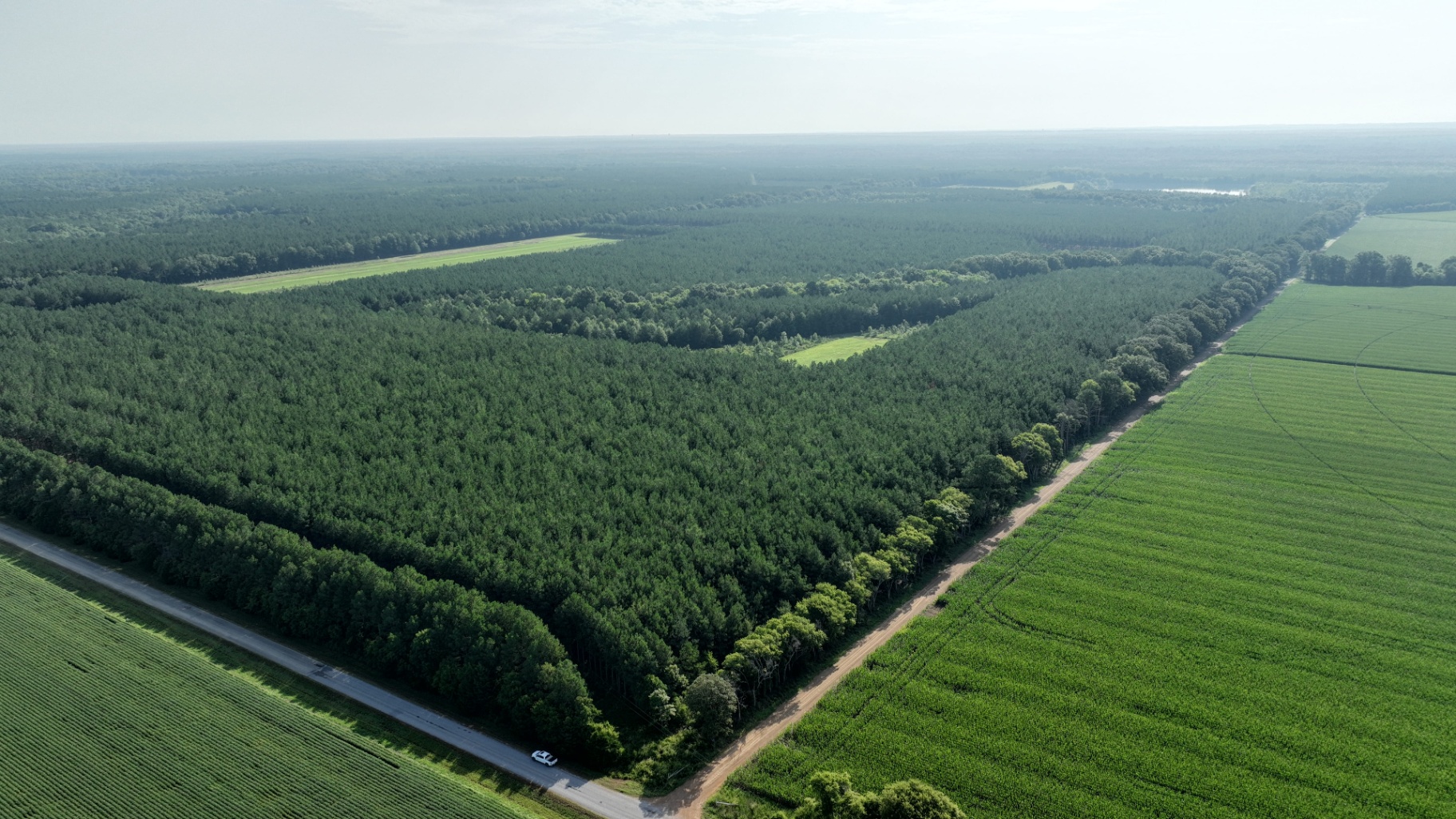
Knowing the land matters. Mapping and aerial imagery can support planning, documentation, boundary understanding, and harvest monitoring — particularly on larger tracts where ground visibility is limited. Used appropriately, these tools strengthen decision-making and reduce surprises during operations.
What to Expect When You Reach Out
When landowners contact Southeast Forestlands, the process begins with a conversation focused on the property and the decisions ahead. That process is designed to replace uncertainty with clarity and protect land value:
- The property is reviewed in the context of your goals and concerns
- Options, timing, and risks are explained clearly
- A protected path forward is outlined based on facts, not pressure
- You decide how and when to proceed
The goal is not to pressure a sale. The goal is to replace uncertainty with clarity, protect the land through every stage of management, and help landowners move forward with confidence.


