Forrest County puts you right at the front door of the Hattiesburg mill cluster — one of the strongest wood markets in the Southeast — and that proximity changes how a timber sale here gets structured. Haul distances are short, buyer competition is real when a tract is set up properly, and even small tracts around Petal, Brooklyn, and the De Soto National Forest edge can move at solid pricing if the work in front of the sale is done right.
I work with Forrest County landowners on cruises, sale layout, harvest oversight, and reforestation. Most of the private ground here is loblolly plantation with longleaf showing up more often as you move south and east, and the practical question on most tracts is whether the stand is ready for thinning, ready for final harvest, or worth holding another season for sawtimber.
Professional Forestry Guidance Working for Landowners
Owning timberland in Forrest County, Mississippi, is a long-term investment, and its management directly affects both its financial return and future productivity. Decisions around timber sales, forest health, and post-harvest planning can have lasting impacts on soil condition, stand quality, wildlife habitat, and overall land value.
Many landowners lose value not because their timber lacks potential, but because decisions are made without clear information or professional guidance.
That’s where guidance matters.
At Southeast Forestlands, our role is to guide Forrest County landowners through forestry consulting and timber sales decisions so choices are informed, risks are reduced, and long-term land value is protected.
Example from the field: On a tract just outside Petal, the family had a verbal offer from a buyer they'd worked with before. A cruise showed enough chip-n-saw and small sawtimber to justify a sealed-bid round to the Hattiesburg cluster — the high bid came in materially above the original number, and the contract caught road-restoration language the verbal handshake didn't have.
Why Forestry Expertise Matters in Forrest County
Forrest County timberland includes productive pine stands, mixed timber tracts, and varying access conditions that influence both harvest feasibility and market value. Timing, haul distance, tract layout, and stand maturity all play a role in determining outcomes.
Without professional guidance, landowners may:
- Sell timber at the wrong time
- Accept offers that undervalue their timber
- Sign contracts that fail to protect their land
- Experience unnecessary damage during harvest
A consulting forester helps landowners understand their options and make decisions that balance immediate return with long-term forest health.
How Southeast Forestlands Helps Landowners
We do not represent mills or loggers. That independence allows us to advocate solely for landowners.
Our role is to help you:
- Understand what your timber is worth
- Decide whether the timing is right
- Market timber competitively
- Use contracts that protect your property
- Oversee harvesting responsibly
You remain in control. We provide the guidance.
Forestry Services Designed Around Landowners
Our forestry consulting services in Forrest County are structured to support landowners at every stage:
- Timber appraisals to establish accurate, current market value
- Timber Stand Improvement (TSI) to improve forest health and productivity
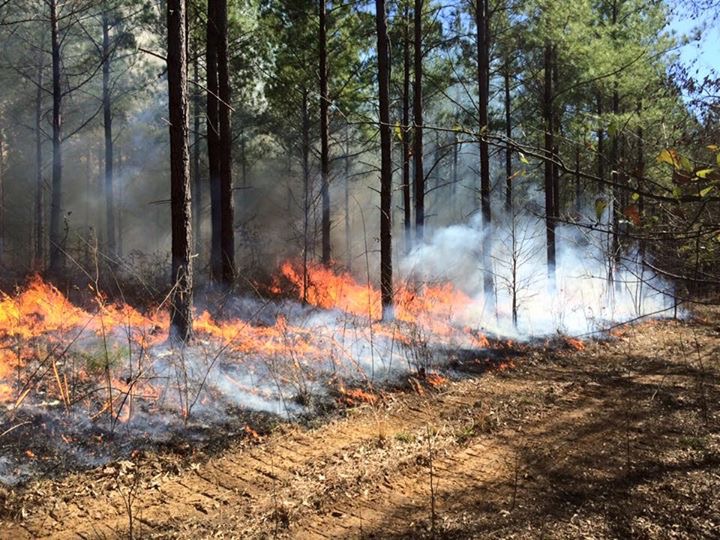
- Prescribed Burning and contract herbicide application
- Aerial drone imagery for monitoring hard-to-reach areas and planning
- Timber marketing and sales, including competitive bids, negotiations, contracts, and harvest oversight
- Post-harvest planning and reforestation to position the next stand for success
- Tree Farm Certification assistance for eligible properties
Each service exists to protect your land and maximize outcomes — not to rush a sale.
Local Market Knowledge That Reduces Risk
Because we work in Mississippi timber markets every day, we help Forrest County landowners account for:
- Current stumpage values
- Mill demand and hauling realities
- Pine versus hardwood opportunities
- Weather, access, and operational timing
This local insight helps landowners avoid costly mistakes and move forward with confidence.
Guidance Before Decisions
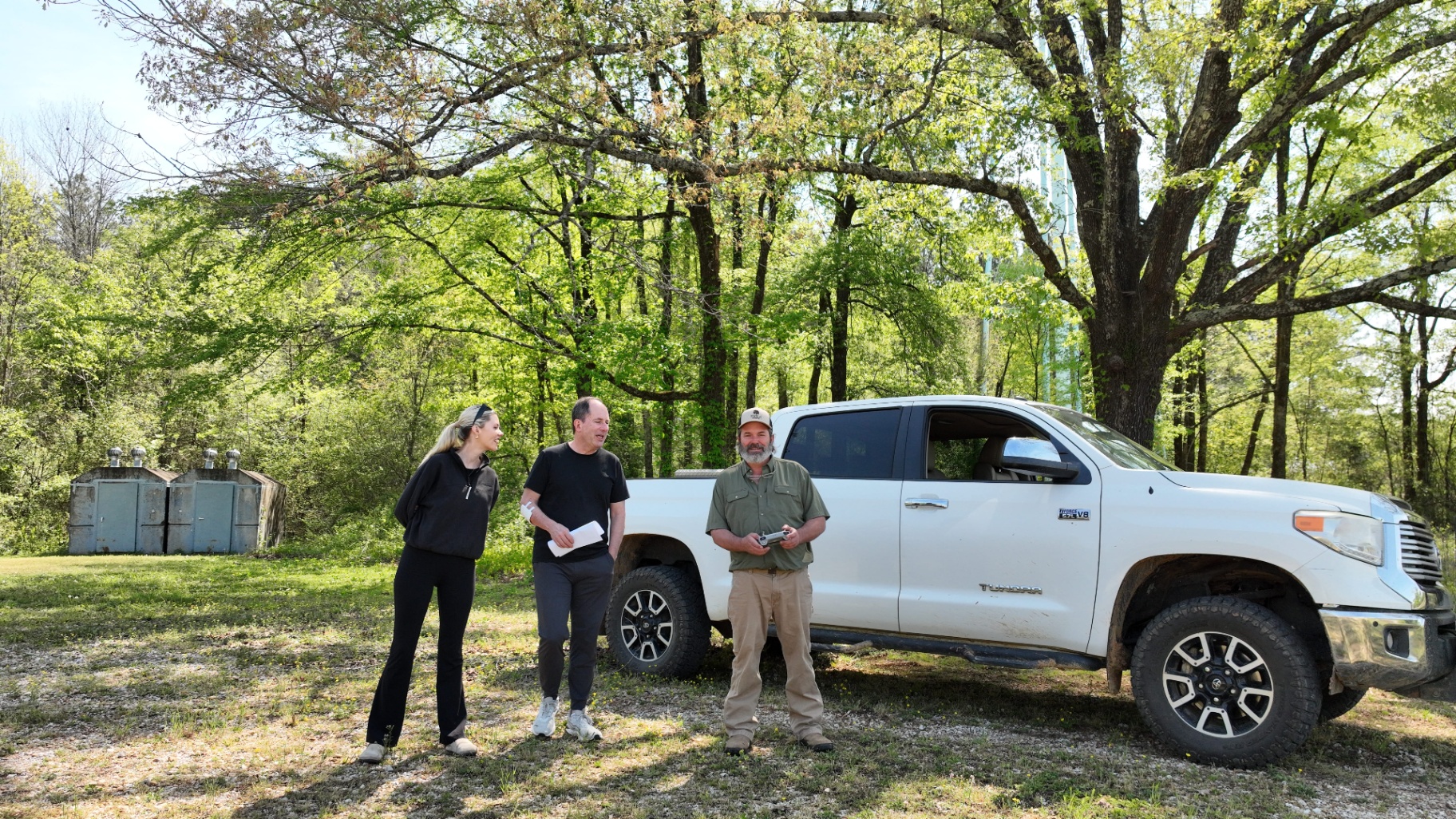
Most Forrest County landowners I talk with are first-time sellers or families managing inherited ground. They're not looking for pressure — they're looking for someone who can walk the property and tell them what's actually there.
That's the part I do.
If you're thinking about a timber sale or want a straight read on managing forestland in Forrest County, Mississippi, the first step is a conversation — no commitment.
Contact Southeast Forestlands to walk through your land, your goals, and your options.
Related Services and Nearby Counties
Most Forrest County work threads through the same core service stack — Timber Sale, Timber Appraisal, Management Plan, Reforestation, and Timber Stand Improvement. When a tract straddles county lines or a neighboring landowner has the same questions, we work across the line into Lamar County, Jones County, Covington County, Perry County, Jefferson Davis County, and Marion County.
About Forrest County, Mississippi for Timberland Owners
Forrest County, Mississippi centers on Hattiesburg and is reached by I-59, US 49, and US 98, with timber moving through the heart of the South Mississippi pine mill cluster. Drainage across the county follows the Leaf and Bouie, and most working timberland is managed loblolly with longleaf restoration interest near the De Soto National Forest across the Pine Belt transitioning into the outer coastal plain.
For landowners managing tracts here, the recurring practical issue is urban interface around Hattiesburg and tight logging access on smaller tracts. Decisions on thinning timing, sale structure, and reforestation should be made with those local conditions in mind rather than from a generic regional template.