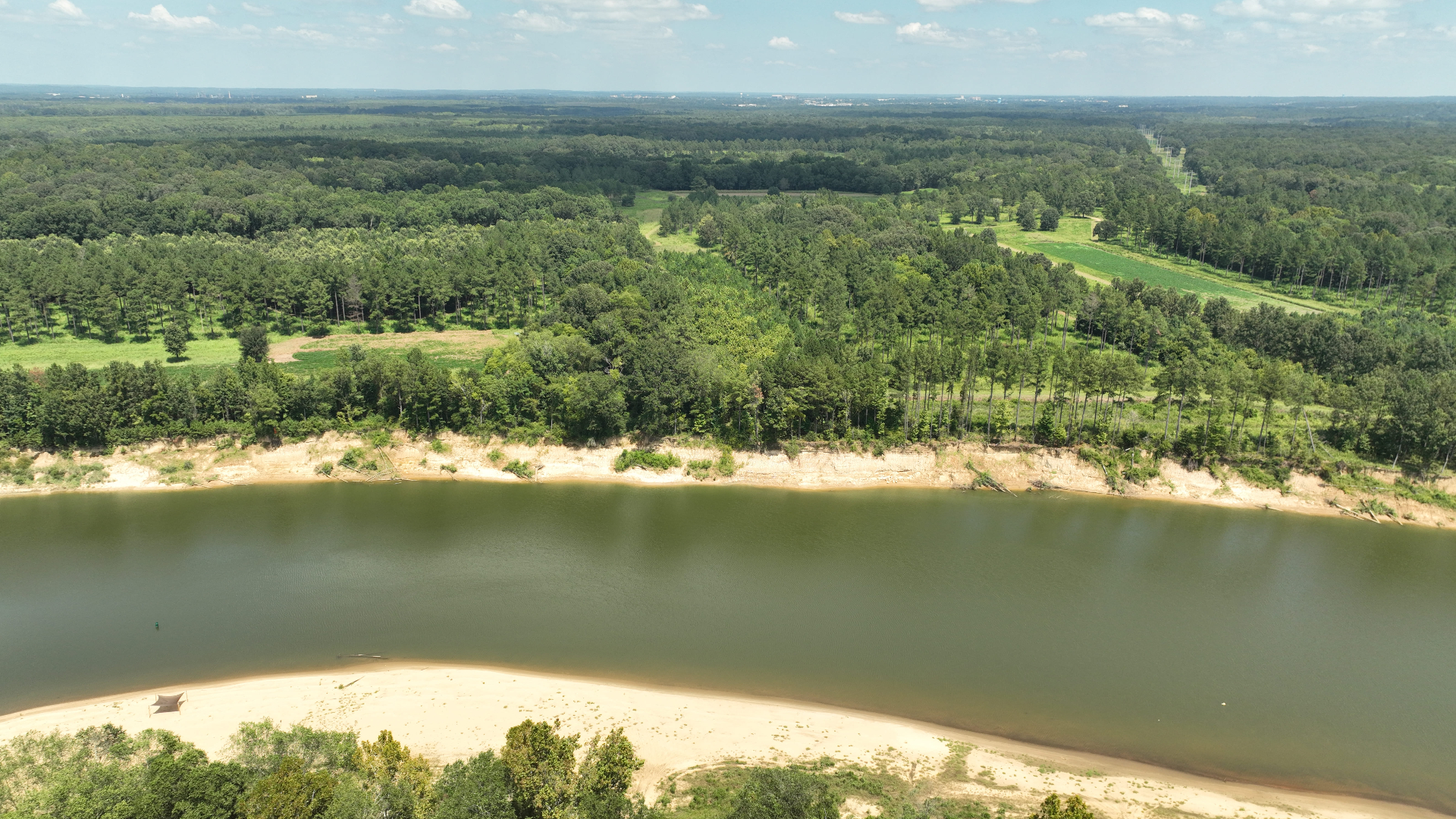
Tuscaloosa County sits where the Fall Line hills meet the upper coastal plain. Slope and shallow rock drive most decisions here.
Southeast Forestlands works only for the landowner. We do not buy timber and we are not paid by mills.
Slope Comes First
Well over half the county lies on slopes steep enough to change how timber is cut and hauled.
Lay the main road along the ridge. Reach the sides with short spurs. Trails run across the slope, not down it.
On the steepest faces, building access can cost more than the timber returns. Settle which acres equipment can reach before a sale is advertised.
Weathered Rock Near the Surface
Roughly one acre in seven has soft rock within about three feet of the top. Most of it lies along the upper slopes and ridges.
Trees rooted that shallow grow slower and stand up poorly to wind once opened up. Judge those acres on what they are growing, not on the tract average.
A Small but Real Wet Share
Only about one acre in ten is mapped as flood-prone, most of it along the Black Warrior River.
That bottom hardwood is worth measuring on its own. Cut it in a dry stretch and keep skidders out of the channel.
Replanting and Natural Regeneration
The reforestation plan is settled before site preparation or planting starts. It names the acres to be planted, the species, the spacing, the site preparation method, and what happens on the acres left unplanted.
Natural regeneration is a decision, not the absence of one. It holds up only after a field check. That check confirms seed trees worth keeping, young stems already established, competing brush that can be held back, and an owner goal the new stand will meet.
One tract can carry all three. Planted pine here, natural hardwood there, and a third piece left alone are separate calls made acre by acre.
Nearby Counties
We also work with landowners in nearby counties, including Pickens (AL), Greene (AL), Hale (AL), Bibb (AL), Fayette (AL), and Jefferson (AL).
General Guidance
For more on how we handle each part of the work, start with these guides:
- What a timber cruise measures
- How a sealed-bid timber sale works
- How we sell timber
- Wet-weather logging and BMPs
- Thinning decisions
- Regeneration and replanting
- All forestry services
Talk It Over First
Talk with a forester before deciding anything. Contact us to discuss your goals; the first review of your property generally happens online.