
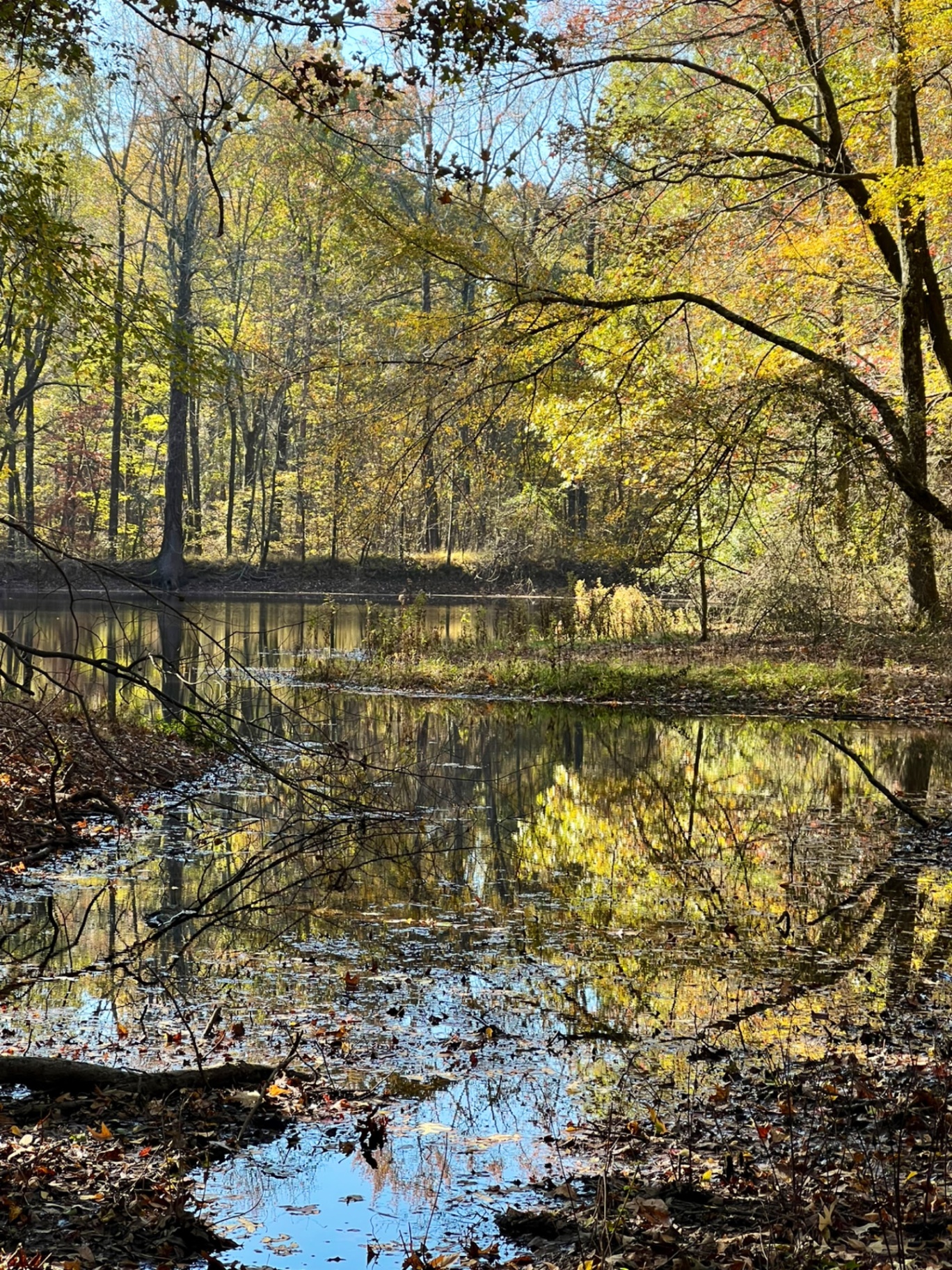
Madison County timber sits in one of the more pressured markets in central Mississippi. Growth out of Madison, Ridgeland, and Gluckstadt keeps pushing into ground that was working timberland a generation ago, and that changes the math on a sale — neighbors are closer, road access is tighter, and how a tract is harvested matters as much as what it brings.
I work with Madison landowners on cruises, sale structuring, and reforestation planning. Most timber here moves to the Jackson-area mills or north to the Canton corridor, and the practical question on most tracts is whether to thin and hold for sawtimber, sell now while pulpwood demand holds, or build a longer-term plan around what the property's actually capable of carrying.
Local Market Knowledge That Reduces Risk
Example from the field. A Madison landowner east of Gluckstadt came in with an at-the-gate offer on a 55-acre first thinning. Once we cruised it, set a row-thinning specification, and put it out to bid against the Jackson-corridor pine buyers — with neighbor sightlines and the rural-route haul figured into the prospectus — the field came back higher and the contract carried the access and aesthetics language the tract actually needed.
Timber markets do not stop at county lines. Mill demand, haul distance, and buyer competition often overlap across neighboring counties — especially where shared mill baskets and trucking corridors intersect.
For landowners with property that trends south and east, or where shared buyer competition influences pricing, our Timber Sales & Forestry Services, Rankin County, MS page may also be useful:
Understanding how these overlapping markets interact helps landowners avoid undervaluation and reduces surprises once a sale is underway.
Timber Sales, Appraisals, and Market Representation
A timber sale is often one of the most financially significant decisions a landowner will make. Without professional representation, landowners are exposed to undervaluation, weak contract terms, and harvest outcomes that prioritize convenience over land protection. A properly structured sale begins with evaluation — species mix, volume, quality, access, and operability — so expectations are based on facts rather than assumptions.
Accurate timber appraisal establishes fair-market value before decisions are made. From there, competitive market exposure allows qualified buyers to compete, often improving both price and contract strength. The timber sale contract is not a formality; it is the landowner’s protection. Clear terms addressing boundaries, payment, road use, wet-weather limits, streamside protections, cleanup standards, and accountability help prevent avoidable problems before equipment ever enters the woods. Oversight during harvest ensures those protections hold up under real conditions.
Forestry Management Plans and Stand Improvement
Many Madison County landowners are not ready to sell — and many should not be. A forestry management plan provides direction without pressure. It clarifies the current stand condition, future potential, and the steps needed to improve outcomes over time. This may include thinning schedules, Timber Stand Improvement priorities, regeneration planning, and long-range timing aligned with income goals, legacy ownership, wildlife habitat, or recreational use.
In many cases, the highest-value decision is not selling immediately. It involves correcting stand density, managing competing vegetation, and improving overall stand health so that, when a sale occurs, it commands stronger pricing with lower operational risk.
For landowners who want to understand how planning, valuation, and harvest oversight fit together before making decisions, our forestry consulting services explain the process in more detail.
Vegetation Management, Prescribed Fire, and Forest Health
Managing vegetation is often one of the most important factors in protecting and improving timber value. Selective clearing, herbicide application, and Prescribed Burning can reduce competition, improve growth, and lower wildfire risk when planned correctly. These practices support both timber production and broader land stewardship goals, while helping ensure the property remains productive long after a harvest.
What to Expect When You Reach Out
When a Madison County landowner contacts me, the first step is a conversation about the property and what you're trying to figure out. That usually means:
- walking or flying the tract to look at access, SMZs, and stand condition
- cruising the merchantable timber so the numbers are real
- laying out the options — sell, thin, hold, replant — with the trade-offs explained plainly
- you decide what to do and when
The goal isn't to push a sale. The goal is to make sure whatever you decide is decided with the right information, and the property is protected through whatever comes next.
Related Services and Nearby Counties
Most Madison County work threads through the same core service stack — Timber Sale, Timber Appraisal, Management Plan, Reforestation, and Timber Stand Improvement. When a tract straddles county lines or a neighboring landowner has the same questions, we work across the line into Copiah County, Hinds County, Yazoo County, Holmes County, Leake County, and Rankin County.