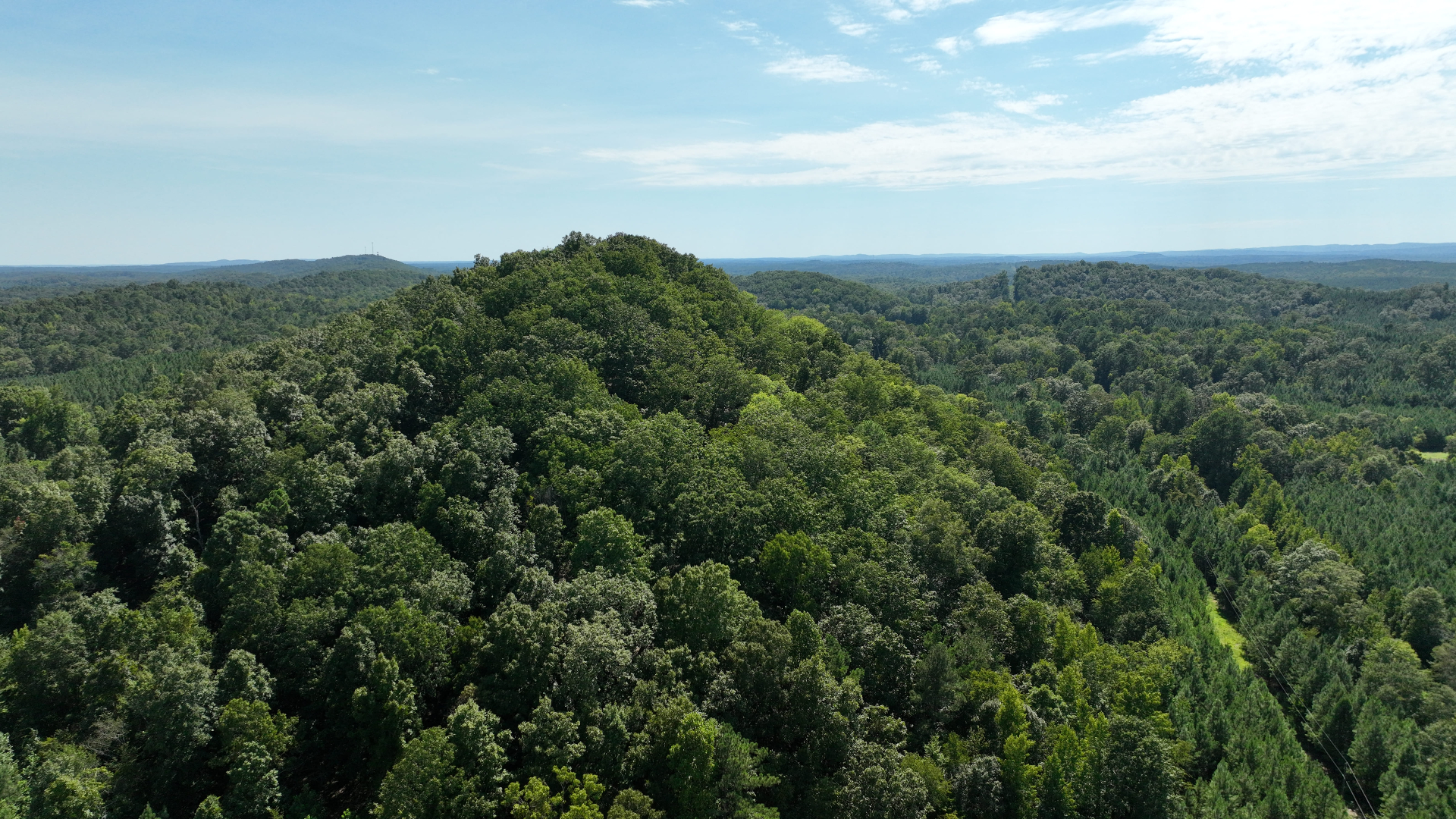
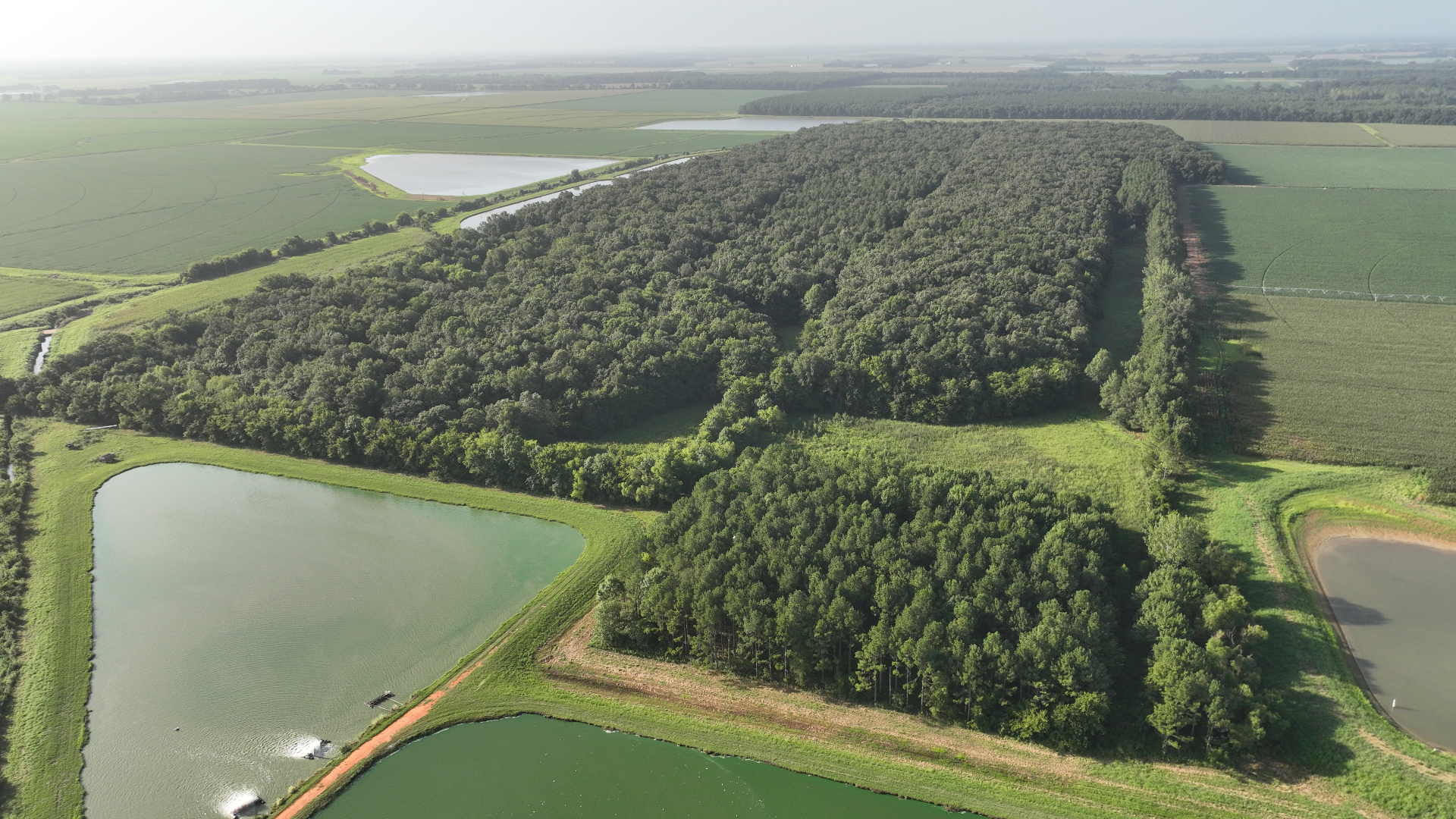
If you own timberland in Noxubee County, you're working some of the most productive ground in east Mississippi — but also some of the most variable. The bottomlands off the Noxubee River and the wetter flats around the Wildlife Refuge can grow exceptional pine and hardwood, but they don't haul like the uplands around Macon and Brooksville do, and that difference shows up in every bid you'll ever receive.
I work with landowners across Noxubee on sale layout, cruise work, and reforestation planning, with most volume moving toward the Columbus, Macon, and West Point mill cluster. Before timber comes off, the questions worth answering are which stands are actually ready, how much SMZ has to come out of the merchantable acreage, and whether a tract sells better whole or split into a pine sale and a hardwood sale.
Why Forestry Expertise Matters in Noxubee County
Noxubee County timberland includes productive pine stands, mixed hardwood tracts, variable access conditions, and sensitive soils and stream systems. These factors directly influence how timber should be managed and when a sale makes sense.
Example from the field. Cruised a Noxubee County tract in the Black Prairie south of Macon where mixed pine-hardwood had been priced as a single product. We broke the cruise out by species and grade, marketed the hardwood separately, and the structured sale cleared the original whole-tract offer by a margin the family hadn't been told existed.
Across Noxubee County, one property may be ready for market, while another may still be building value or require management before becoming competitive.
Timber markets here are influenced by nearby areas, including Newton, Neshoba, and Lauderdale Counties, where buyer competition and mill access are often stronger.
In many cases, timber from Noxubee County is sold into surrounding Mississippi and nearby Alabama markets, where mills are actively buying.
How your timber is marketed — including access, tract layout, and how the sale is structured — determines how many buyers actually look at your timber.
Nearby markets, such as Winston and Kemper Counties, also influence buyer movement, haul routes, and overall pricing.
If your timber is only shown to one or two buyers, you are not seeing full market value.
Where Landowners Lose Money
Most mistakes follow the same pattern:
- no professional timber valuation
- accepting the first offer instead of creating leverage
- contracts that do not fully protect the property
- no supervision once harvesting begins
Many timber sales are marketed to a limited number of buyers, which can directly impact pricing and contract quality.
Good forestry decisions are not rushed — they are built around the tract.
Timber Sales & Forestry Services That Protect the Landowner
A timber sale should do more than generate income. It should protect the land during and after the harvest.
Southeast Forestlands provides:
- on-site timber evaluation
- timber cruising and valuation
- exposure to multiple qualified buyers
- sealed bid or negotiated sale strategy
- seller-protective contract development
- active harvest supervision
This protects:
- sale value
- roads and access
- soils and drainage
- streamside management zones (SMZs)
- long-term timber productivity
Learn more about timber sale representation in Mississippi and how forestry consulting services help landowners navigate rural timber markets.
Before You Sell — Understand the Tract
Every property must be evaluated as an operating piece of ground, not just standing timber.
We evaluate:
- access and internal road systems
- terrain and drainage patterns
- wet-weather operability
- tract layout and logging flow
- constraints that impact harvesting
This is where most costly mistakes are prevented.
Tools such as drone mapping for timberland evaluation and timber appraisal services help clarify the true value before decisions are made.
Independent Means You’re Protected
We do not buy timber.
We do not represent mills.
We do not work for logging crews.
We represent the landowner.
That means:
- no pressure to sell
- no conflict of interest
- no shortcuts
Only clear, objective guidance based on your property.
Management Often Beats Rushing a Sale
Some of the best outcomes come from improving a stand before selling.
In Noxubee County, that may include:
- thinning strategy and timing
- Timber Stand Improvement (TSI)
- Herbicide and Competition Control
- Prescribed Burning
- Reforestation Planning
- access improvements
Rushed harvests cap value. Managed stands build it.
Learn more about Prescribed Burning for timberland management, reforestation, and site preparation services.
Noxubee County Timber Market Reality
Timber value in Noxubee County is driven by real-world factors:
- distance to mills
- demand for pine and hardwood products
- logging crew availability
- seasonal operability and weather
- buyer competition
If multiple buyers are not involved, you are not seeing true market value.
Competition creates leverage.
Questions Noxubee County Landowners Ask
Do I need a forester to sell timber in Mississippi?
A forester is not required, but professional guidance helps avoid undervaluation, weak contracts, and land damage.
How do I know what my timber is worth?
Timber value depends on species, volume, quality, access, and market demand. An on-site evaluation provides clarity.
When is the best time to sell timber in Noxubee County?
Timing depends on stand condition, access, and market conditions — not just price trends.
Can logging damage my property?
Yes. Without proper planning and supervision, harvesting can impact soils, roads, and future productivity.
Cogongrass Control & Invasive Grass Management
Cogongrass is one of the most aggressive invasive plants affecting timberland across Mississippi. It spreads quickly, reduces timber productivity, and can create long-term management problems if not addressed early.
In Noxubee County and surrounding areas, cogongrass is commonly found along roads, logging decks, and disturbed ground where it can establish and spread rapidly.
Once established, it forms dense root systems that crowd out native vegetation and interfere with reforestation efforts.
It also creates a significant fire risk, burning hotter than native vegetation and increasing damage to timber stands.
Proper identification and early treatment are critical to controlling its spread.
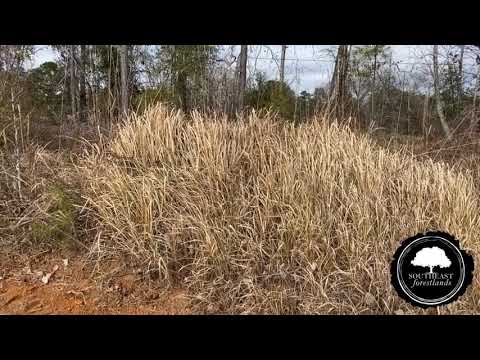
This field example shows how cogongrass appears on the ground and why early detection and treatment matter.
What Happens Next
- we walk the property with you, on foot or by drone
- cruise the merchantable timber and check access and SMZ acreage
- lay out the options — sell now, thin, hold, or split products — in plain numbers
Most Noxubee tracts have a few questions worth answering before a saw runs: what's really ready, what should stay, where the truck routes pencil out, and whether the market window favors you right now or in six months. None of that takes a commitment to find out.
Once timber leaves the property, those calls aren't reversible — so the time to ask is before, not after.
Request a Noxubee County timber tract review and we'll talk through what you have, what the market looks like, and what makes sense from here.
About Noxubee County, Mississippi for Timberland Owners
Noxubee County, Mississippi centers on Macon and is reached by US 45 and US 45 ALT, with timber moving through Macon, Columbus, Louisville, and the west Alabama cluster. Drainage across the county follows the Noxubee and Sucarnoochee, and most working timberland is loblolly plantations on uplands with hardwood bottoms along the Noxubee across the Black Prairie–to–Pine Belt transition in east Mississippi.
For landowners managing tracts here, the recurring practical issue is prairie-to-pine site variability and bottomland operability. Decisions on thinning timing, sale structure, and reforestation should be made with those local conditions in mind rather than from a generic regional template.