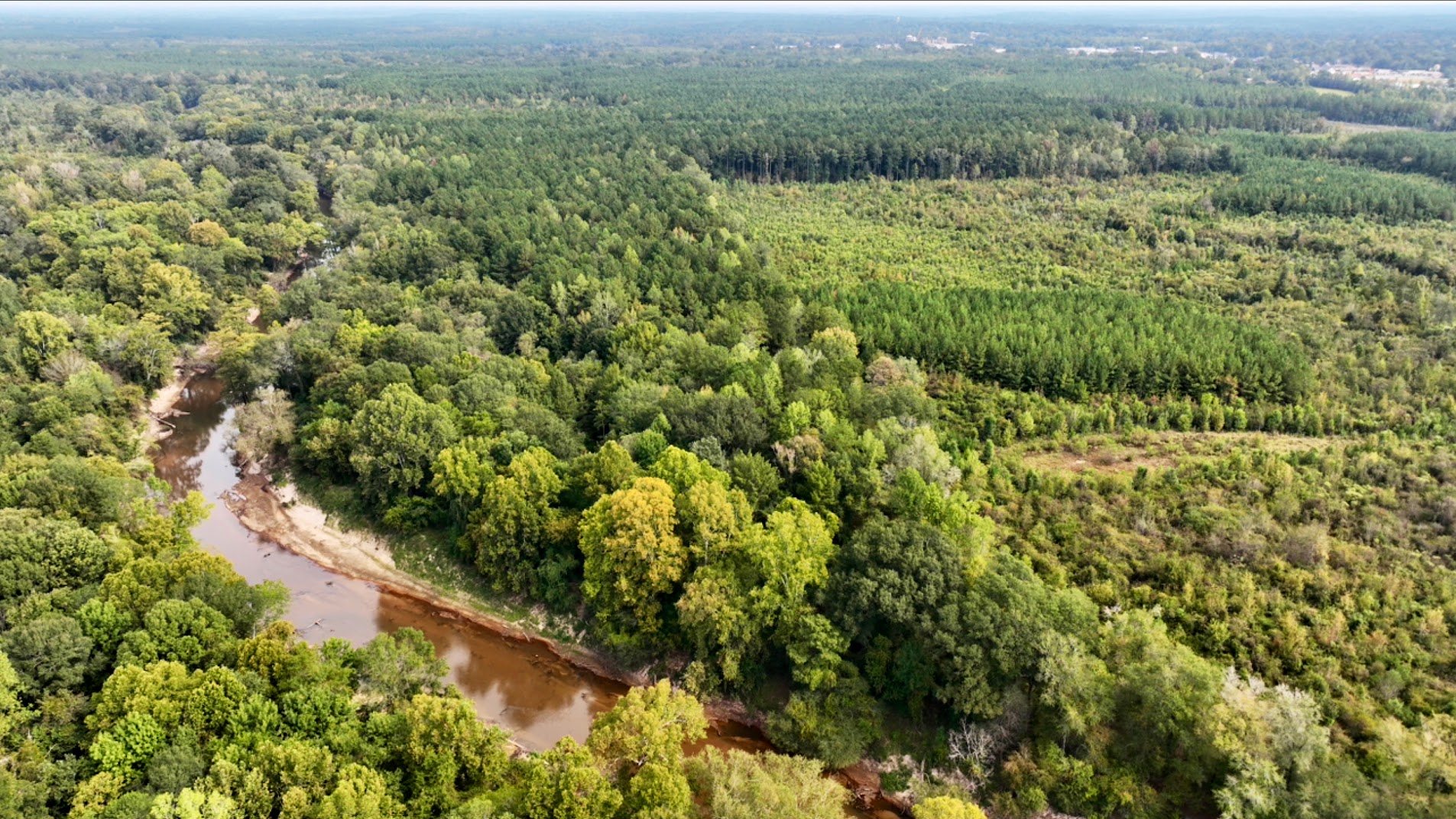
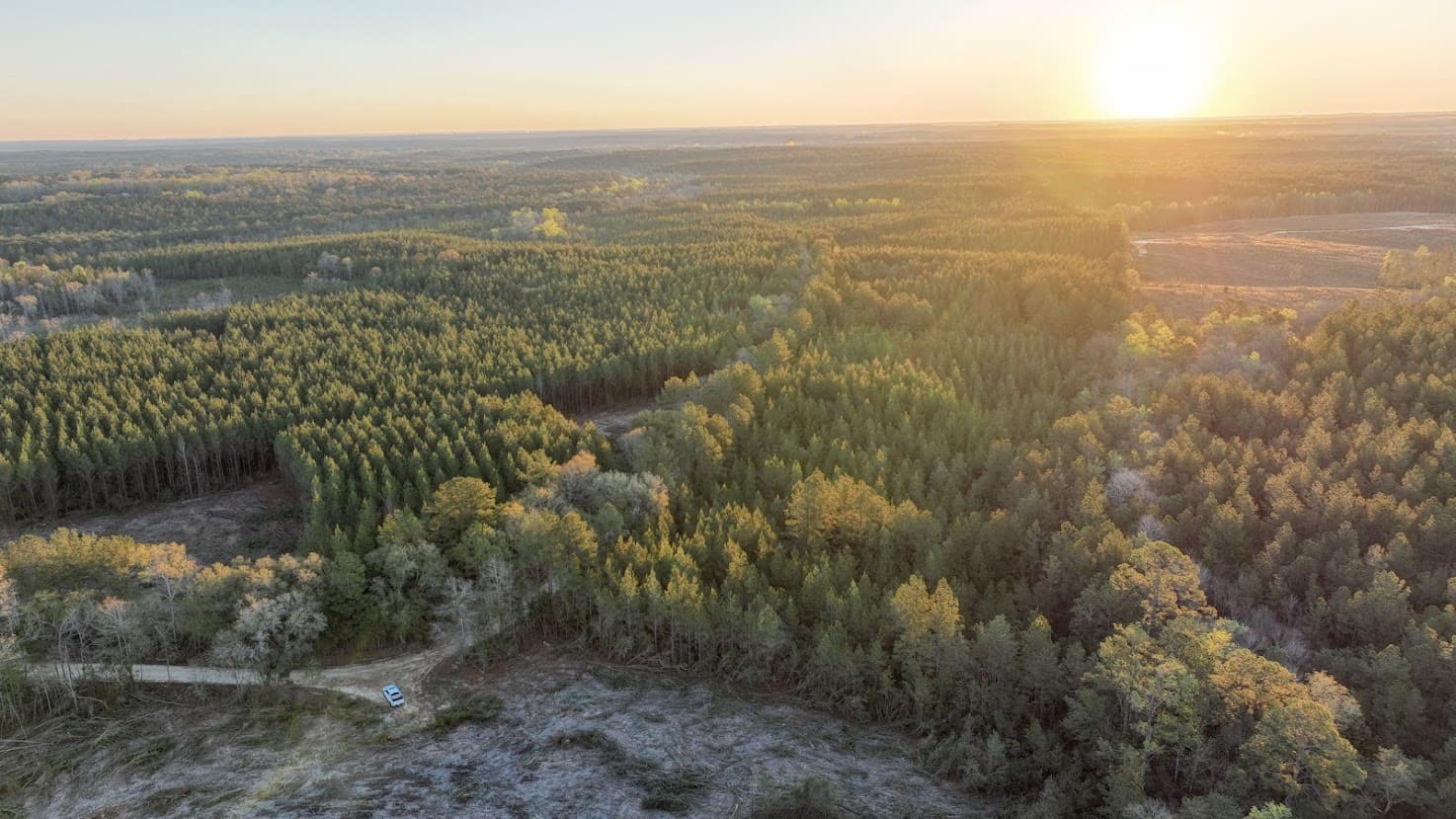
Winston County sits in the heart of east-central Mississippi pine country, with timber moving primarily to the Louisville and Philadelphia mill cluster and out toward Columbus and Meridian when demand pulls it that way. The Tombigbee National Forest acreage shapes a lot of what private landowners see across the line — adjacent harvest activity, prescribed fire schedules, and access patterns that don't always work in a small tract owner's favor.
I work with landowners around Louisville, Noxapater, and the western part of the county on sale structuring, stand evaluation, and reforestation. Most Winston tracts I walk are loblolly plantations in various stages, with hardwood drains and some natural pine on the steeper ground — and the practical question is usually whether to thin again, clearcut now, or hold for a sawtimber market that may or may not show up next year.
What we see in Winston County. Most of the tracts we look at west of Louisville and around Noxapater are loblolly plantations somewhere between thinnings, with a hardwood drain or two and rolling ground that limits wet-weather access. The decision we get called in on is almost always the same — thin again, clearcut now, or hold for a sawtimber market. The honest answer is rarely the first phone-call offer. It usually starts with a cruise that breaks the stand into pulpwood, chip-n-saw, and sawlog, then a sealed offering that opens the tract up to mills around Louisville, Philadelphia, and the Meridian side instead of the one buyer already on the line.
Why Winston County Timber Requires a Local Approach
Winston County is not a uniform timber market.
Across short distances, conditions can change:
- pine stands at different stages of development
- mixed timber with uneven product classes
- rolling ground that limits wet-weather access
- tracts where layout and roads control logging efficiency
Timber from Winston County is often influenced by nearby markets, including Newton County, Neshoba County, and Lauderdale County, where buyer competition is typically stronger.
Nearby areas like Noxubee and Kemper Counties affect haul routes and access, but they do not always drive pricing.
Understanding how your tract fits within these overlapping markets is what creates leverage.
Where Timber Sales Break Down
In many cases, results are limited by:
- no current timber valuation
- limited exposure to qualified buyers
- contracts that do not fully protect the property
- no supervision once harvesting begins
These issues affect both immediate return and long-term land performance. Many timber sales are marketed to a limited number of buyers, which can directly impact pricing and contract quality.
Timber Sales Structured for the Property
A timber sale should be built around the tract — not driven by convenience.
Southeast Forestlands structures sales to create competition and protect the property throughout the process.
This includes:
- on-site timber evaluation
- timber cruising and valuation
- marketing to multiple qualified buyers
- sealed bid or negotiated sale strategy
- seller-protective contract development
- active harvest supervision
This protects:
- sale value
- roads and access
- soils and drainage
- SMZs
- future timber potential
Before You Sell — Understand the Tract
Every property in Winston County operates differently.
We evaluate:
- internal access and road systems
- terrain and drainage patterns
- wet-weather operability
- stand density and growth stage
- constraints that affect logging efficiency
This is where most costly mistakes are prevented.
Independent Means You’re Protected
We do not buy timber.
We do not represent mills.
We do not work for logging crews.
We represent the landowner.
That means:
- no pressure to sell
- no conflict of interest
- no shortcuts
Only clear, objective guidance based on your property.
Management Often Builds More Value Than Waiting
Many landowners delay decisions while waiting on market changes.
In many cases, active management produces stronger long-term outcomes.
That may include:
- Thinning at the Correct Stage
- Timber Stand Improvement (TSI)
- Herbicide and Competition Control
- Prescribed Burning
- Reforestation Planning
Timing decisions are most effective when based on stand condition — not speculation.
Winston County Timber Market Reality
Timber value in Winston County is influenced by:
- distance to mills
- product mix (pulpwood, chip-n-saw, sawtimber)
- logging crew availability
- seasonal access conditions
- buyer competition across the surrounding markets
If multiple buyers are not involved, you are not seeing the full market value.
Competition creates leverage.
Questions Winston County Landowners Ask
When should timber be sold in Winston County?
Timing depends on stand condition, access, and current market demand — not just price trends.
How does Winston County differ from surrounding markets?
Access, haul distance, and proximity to stronger nearby markets can directly affect pricing and buyer interest.
Can poor logging reduce future timber value?
Yes. Without proper planning and oversight, harvesting can impact soils, roads, and residual timber.
Is a consulting forester worth it for smaller tracts?
In many cases, structured sales and oversight improve both financial outcomes and land protection.
Harvest Supervision in the Field
Timber harvest supervision is where land protection actually happens.
When equipment is on the ground, decisions are being made in real time — how roads are used, how SMZs are protected, and how closely operations follow contract terms.
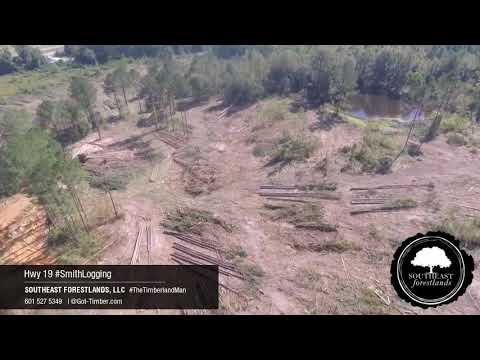
This is where the difference between a clean job and long-term damage becomes clear. Between rotations, a written stand improvement plan keeps Winston County loblolly from drifting into the overstocked, beetle-prone state most unmanaged stands end up in.
What Happens Next
- we walk or fly the property and check access
- cruise the timber and pull a product breakdown
- lay out your options in numbers — not pressure
If you own timberland in Winston County, the worthwhile first step is understanding what the property is actually carrying and how today's Louisville and Philadelphia mill demand affects what it'll bring. Every tract is different, and every market window closes eventually. A current appraisal tells you whether to sell now, thin first, or hold for one more growing season.
The Winston County tract that pays its owners back over a generation is almost always the one where the Tombigbee National Forest neighbors got read correctly — buffer language, access agreements, and burn windows planned around their schedule instead of in spite of it. The forest is going to be there. The bid pool is not, every quarter.
Once timber is cut, those decisions can't be walked back.
Request a Winston County timber tract review and let's look at it together before anything moves.