Forestry Field Guides
Educational field guides for Mississippi and Alabama landowners — how independent representation shapes timber-sale value, contract terms, harvest oversight, and long-term land decisions. Illustrative scenarios, not case-by-case client project reports.
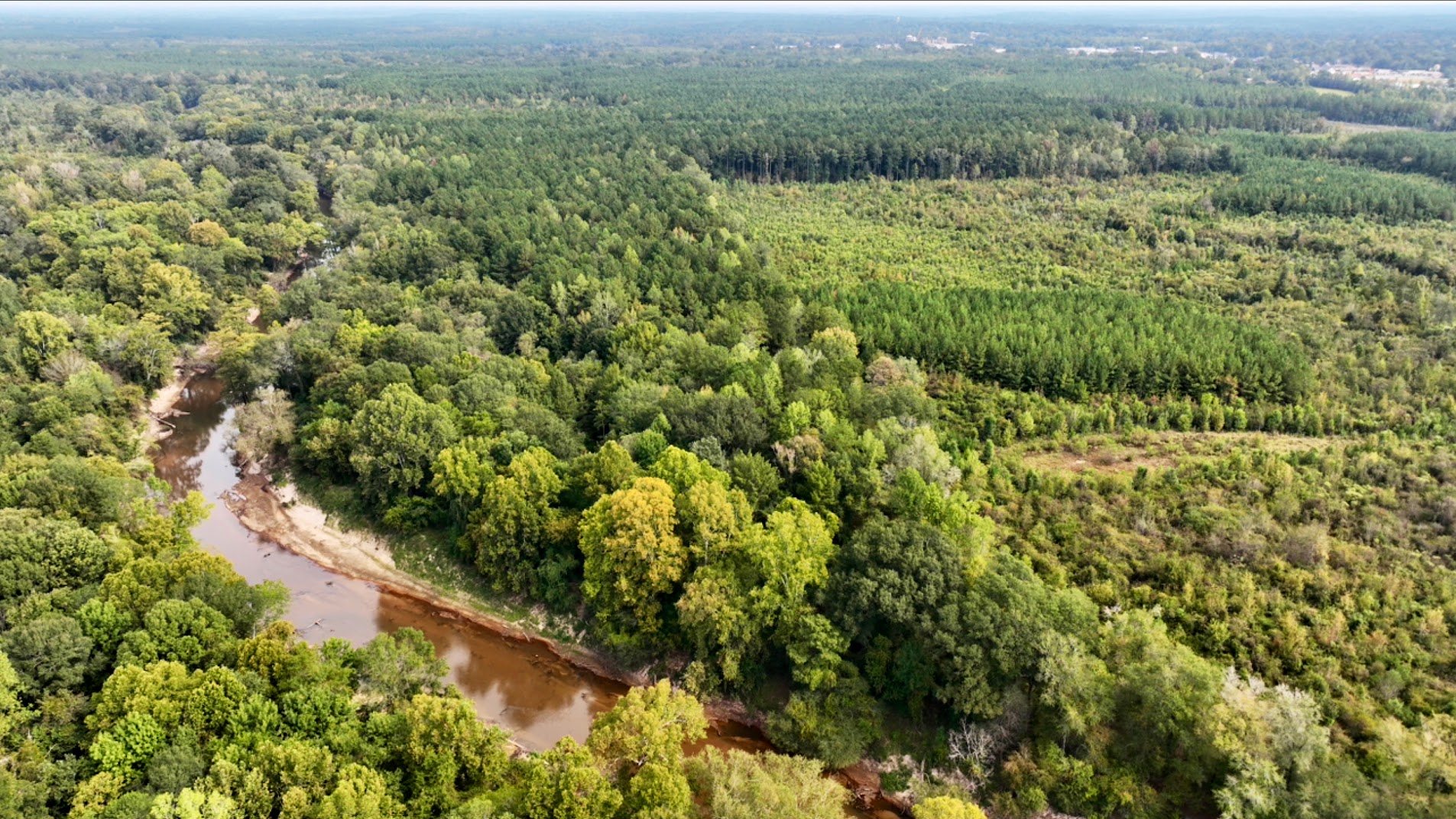
How Access and Operability Shape Timber-Sale Value: A Field Guide
Access, crossings, seasonal operability, deck locations, and haul distance shape how a standing timber sale is planned, marketed, and bid. This field guide reviews the access factors a consulting forester typically evaluates during pre-sale preparation and how those factors can influence buyer interest and bid structure.
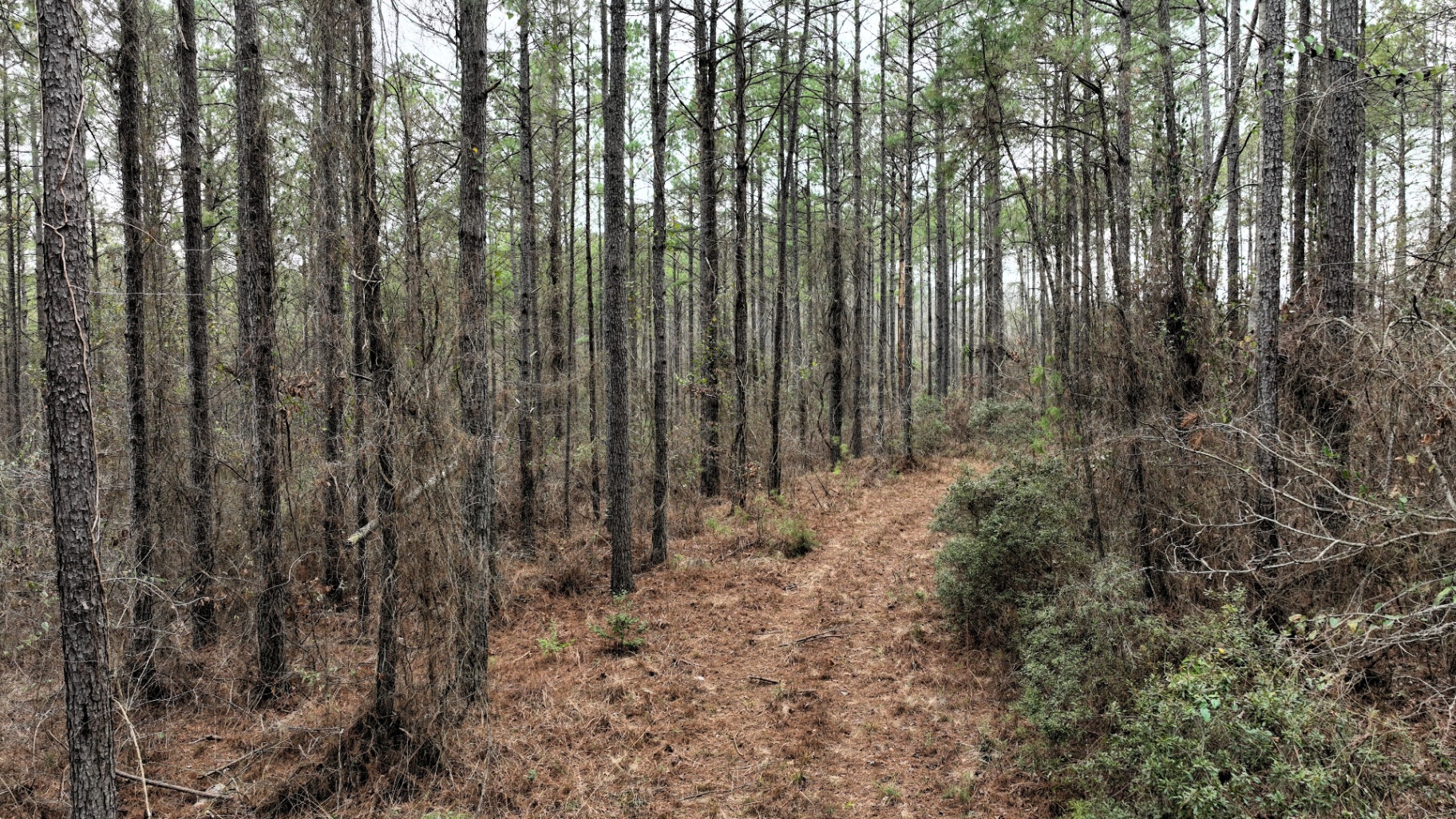
Why Winter-Logging Tracts Can Attract Stronger Timber Bids
When wet weather sidelines softer tracts, firm ground and dependable access can widen buyer interest. This guide explains how to market legitimate winter operability without promising logging through unsuitable ground conditions.
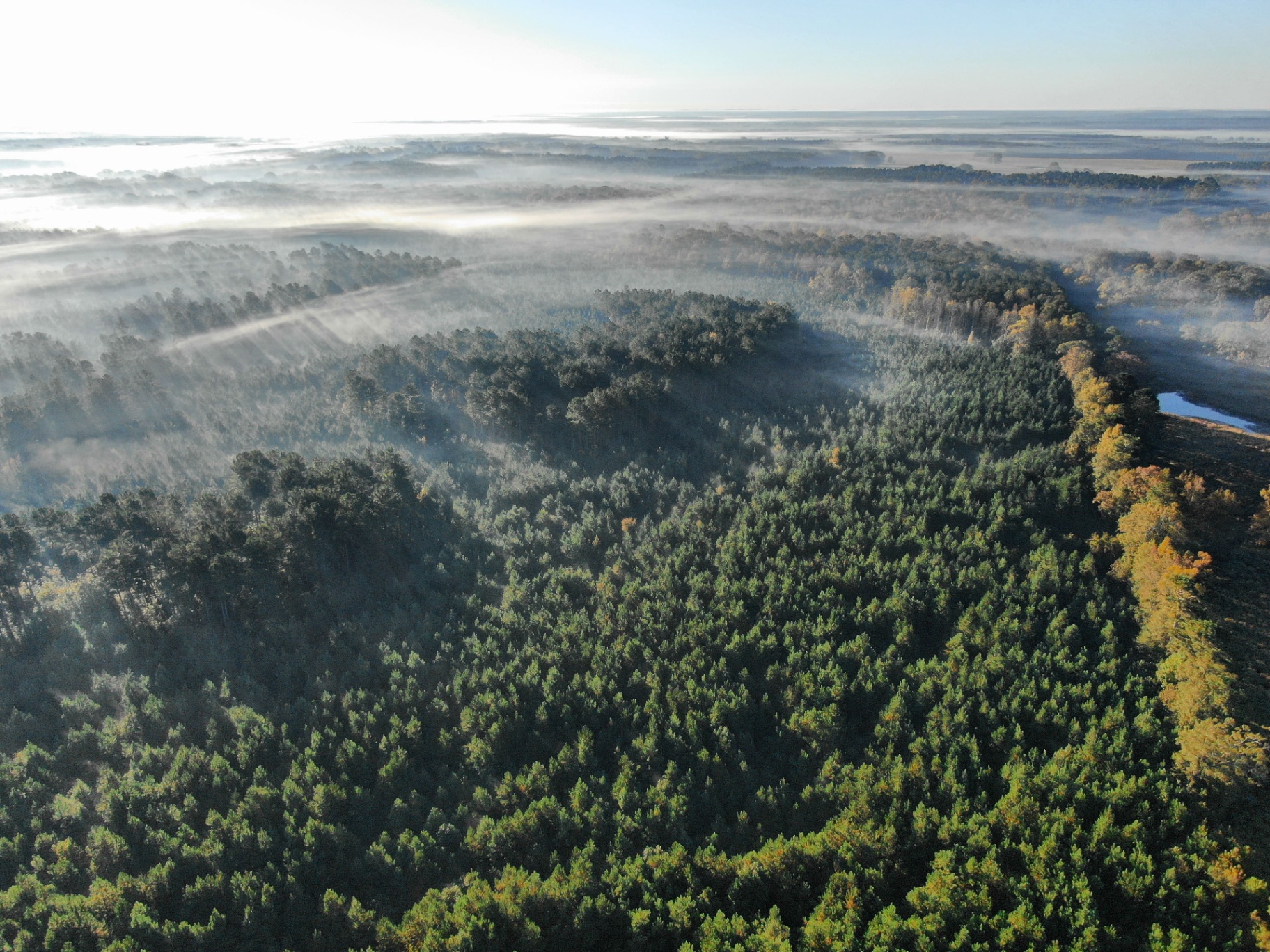
Drone Imagery for Stand Inventory and Boundary Review: A Field Guide
Drone imagery, an old paper map, and a recorded deed can be combined into a working stand and boundary reference for planning purposes. This field guide describes how drone-derived imagery is typically compared to deed calls and existing markers, and why the resulting map is a planning aid rather than a legal boundary determination.
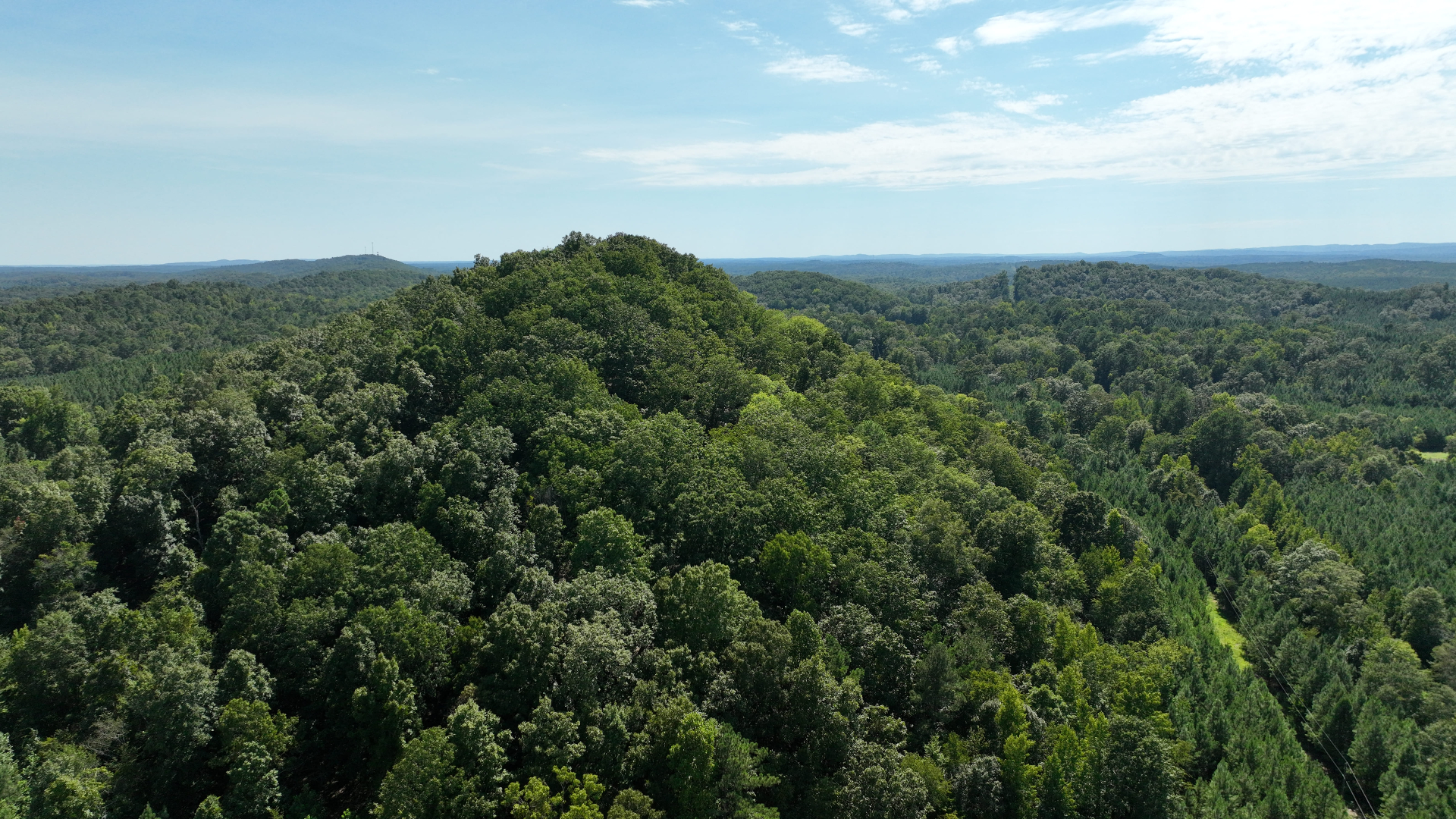
Documenting Suspected Timber Trespass on Mixed-Hardwood Ground: A Field Guide
When an adjoining harvest raises a boundary question, a consulting forester can document the physical condition of the disputed area and appraise the timber value of any confirmed encroachment. This field guide outlines the documentation and appraisal steps within a forester's professional scope; legal remedies and recoverable damages are determined by licensed counsel.
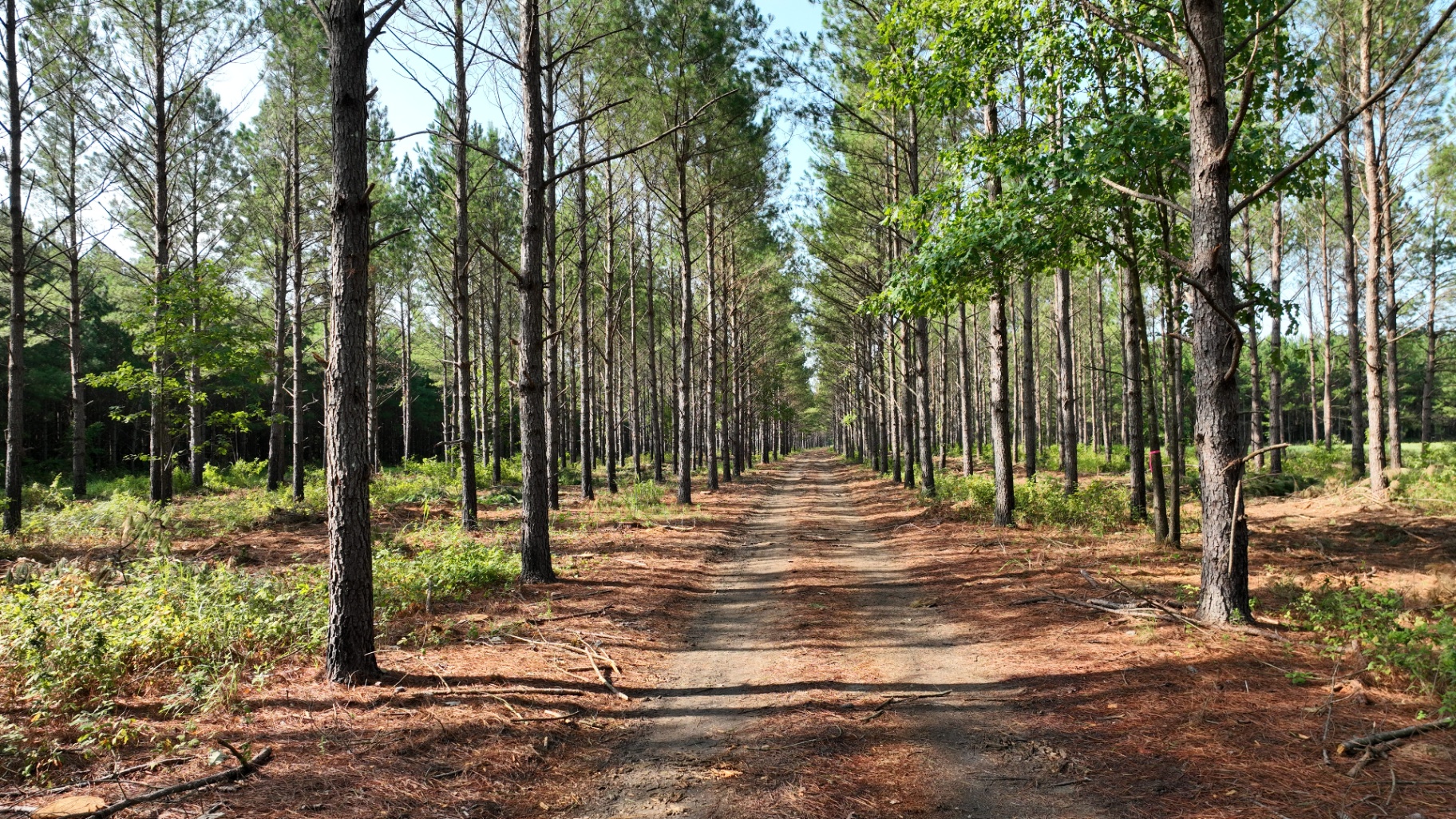
Timber Stand Improvement in a Mid-Rotation Loblolly Stand: A Field Guide
A closed-canopy, mid-rotation loblolly stand can carry more basal area than the residual trees can efficiently use. This field guide reviews the stand-level indicators a consulting forester typically considers when evaluating a thinning or timber stand improvement entry and how those indicators inform prescription choices.
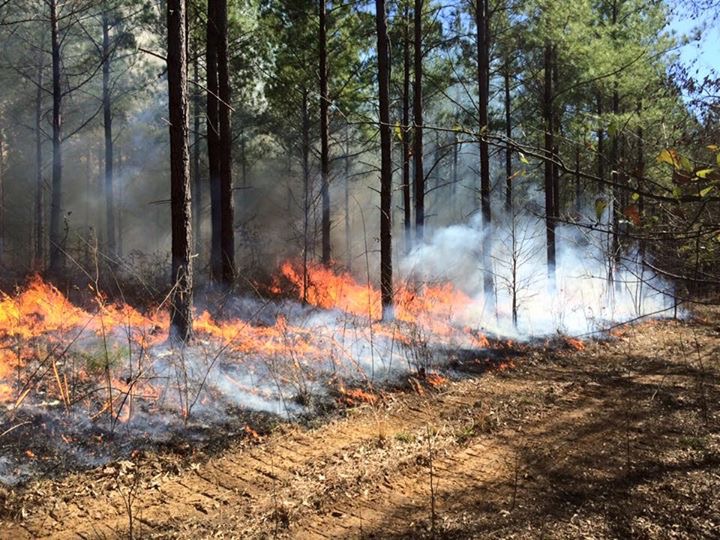
Prescribed Fire Planning in a Longleaf Pine Stand
Prescribed fire in longleaf pine is planned around specific objectives, current fuel conditions, a written weather prescription, and a documented smoke-management approach. This field guide reviews the elements of a burn plan a consulting forester typically prepares and reviews before any ignition decision is made.
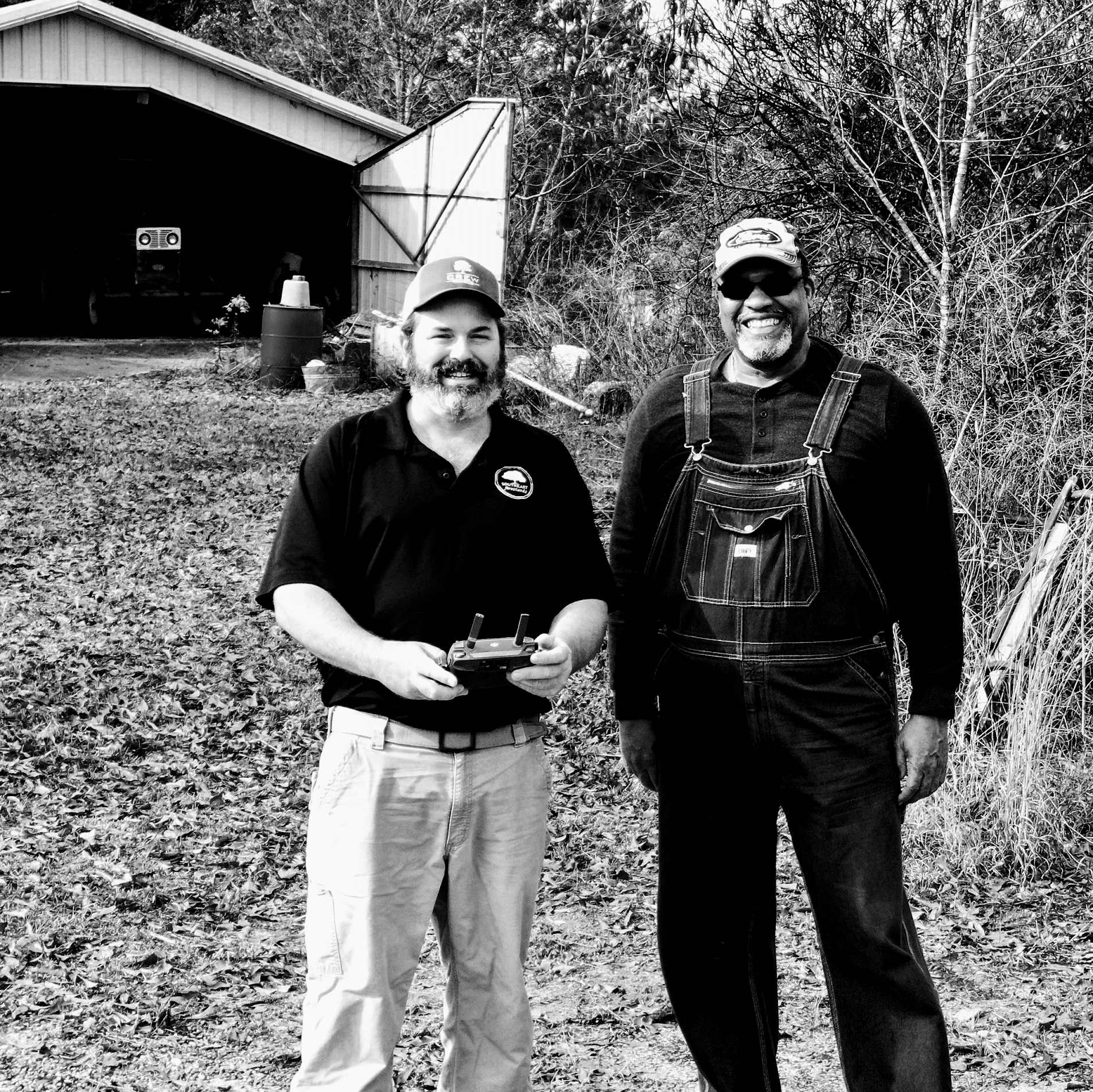
Forest Management Plan for a Multi-Tract Family Ownership
A written forest management plan gives a multi-tract family ownership a shared reference for objectives, stand conditions, access and boundary needs, and how work is prioritized across tracts over time. This field guide outlines the sections a consulting forester typically develops and how the plan is used as a living document.
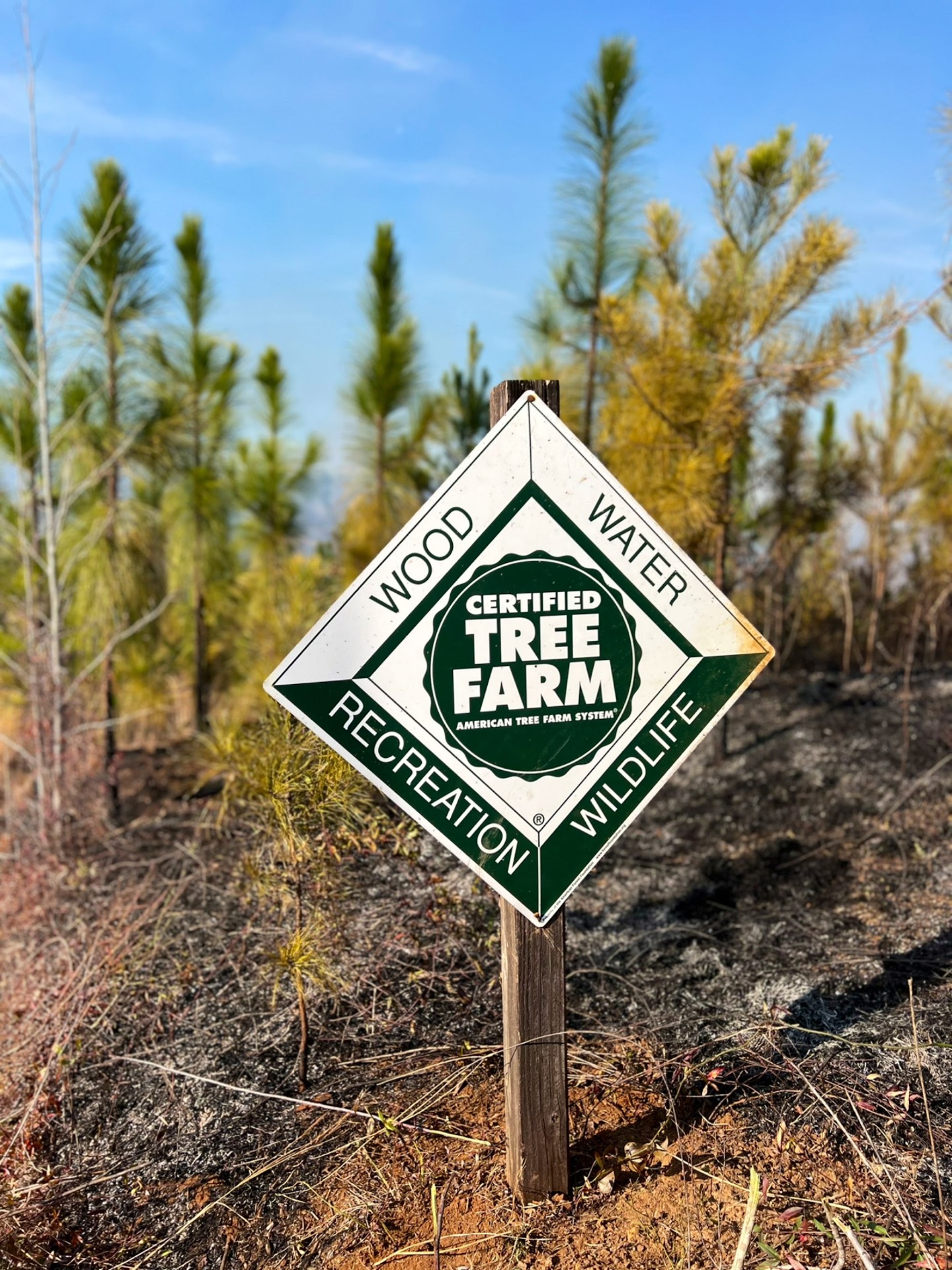
Preparing for an American Tree Farm System Inspection
A current management plan and organized records can help a landowner prepare for an American Tree Farm System inspection, but certification depends on the applicable standards and the inspector's evaluation. This field guide reviews the documentation and site conditions a consulting forester typically helps organize before an inspection.
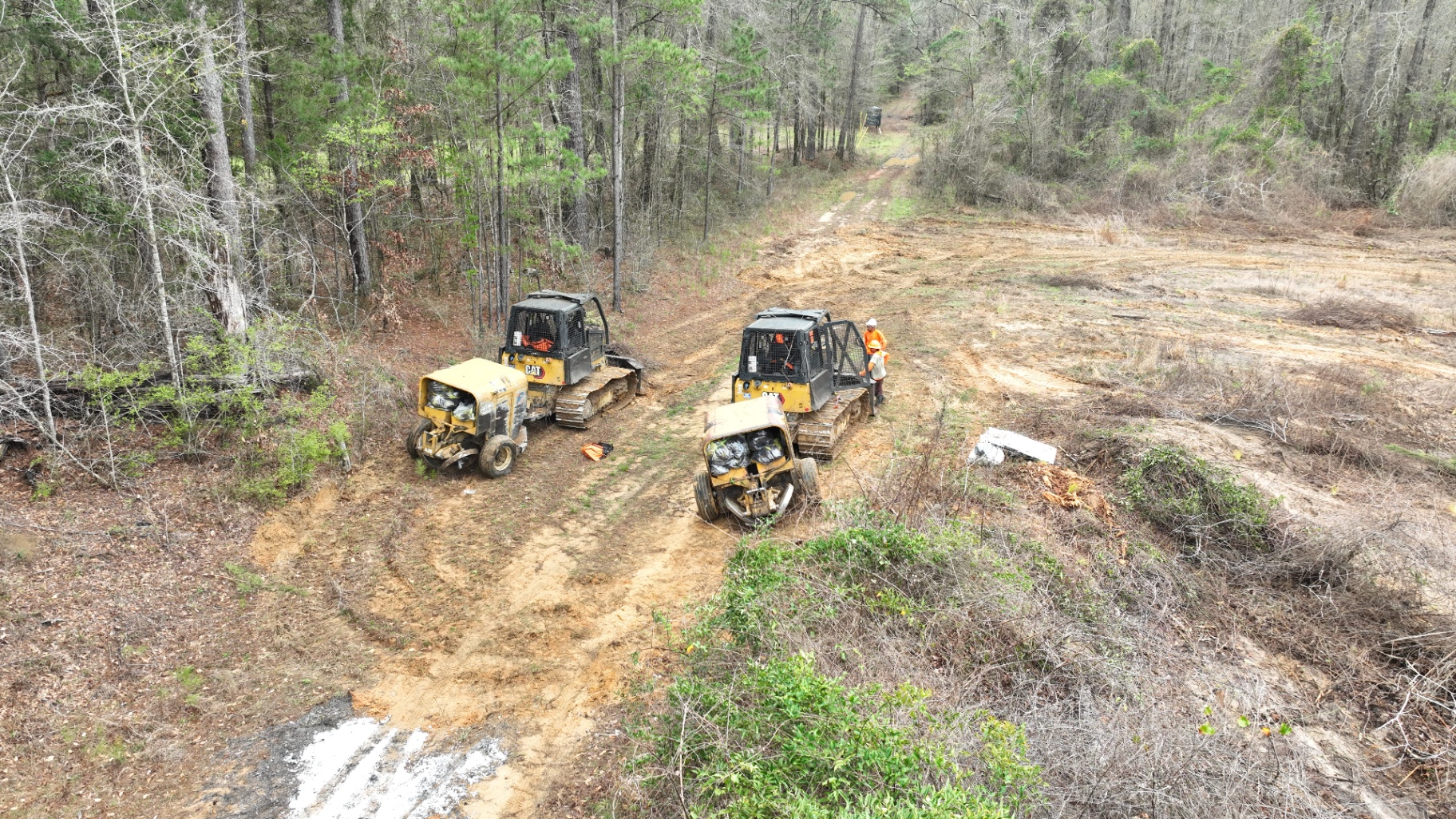
Cost-Share Considerations for Pine Establishment
Federal cost-share programs such as EQIP can help offset qualifying pine establishment expenses, but eligibility, practice specifications, approval, reimbursement, and tax treatment depend on current program rules and the administering agency. This field guide reviews the planning steps a consulting forester typically supports before enrollment.
Educational field guides, not project reports
Each field guide below explains how independent forestry representation can shape a decision on the ground — species and product mix, contract terms, harvest sequencing, cost-share eligibility. Scenarios are illustrative rather than claim-by-claim reports of individual client projects.
Independent representation. Transparent results.
Whether you have ten acres or ten thousand, our team works for the landowner — never the mill. Based in Meridian, MS and serving timberland across Mississippi and western Alabama.