Owning woodlands means deciding what work needs doing and when. The team at Southeast Forestlands put together the following notes on the management tasks a landowner can reasonably handle without a contractor, and the ones that usually call for professional help.
How Do You Manage Timber?
If you find yourself wondering, “How can I improve my timber stand?” Or, “How do I make my woods healthy?” Then you’re in the right place! The notes below cover the basic steps, whether you are new to owning timber or have managed it for years.
Develop a Forestry Management Plan
Good timber management starts with a written management plan. A registered forester at Southeast Forestlands can help you put one together. A complete plan covers the steps below.
Step 1: Set Goals and Objectives
Set short-term and long-term goals, then schedule stand treatments, harvests, site preparation, and regeneration according to stand condition and those goals.
Step 2: Assess Your Property
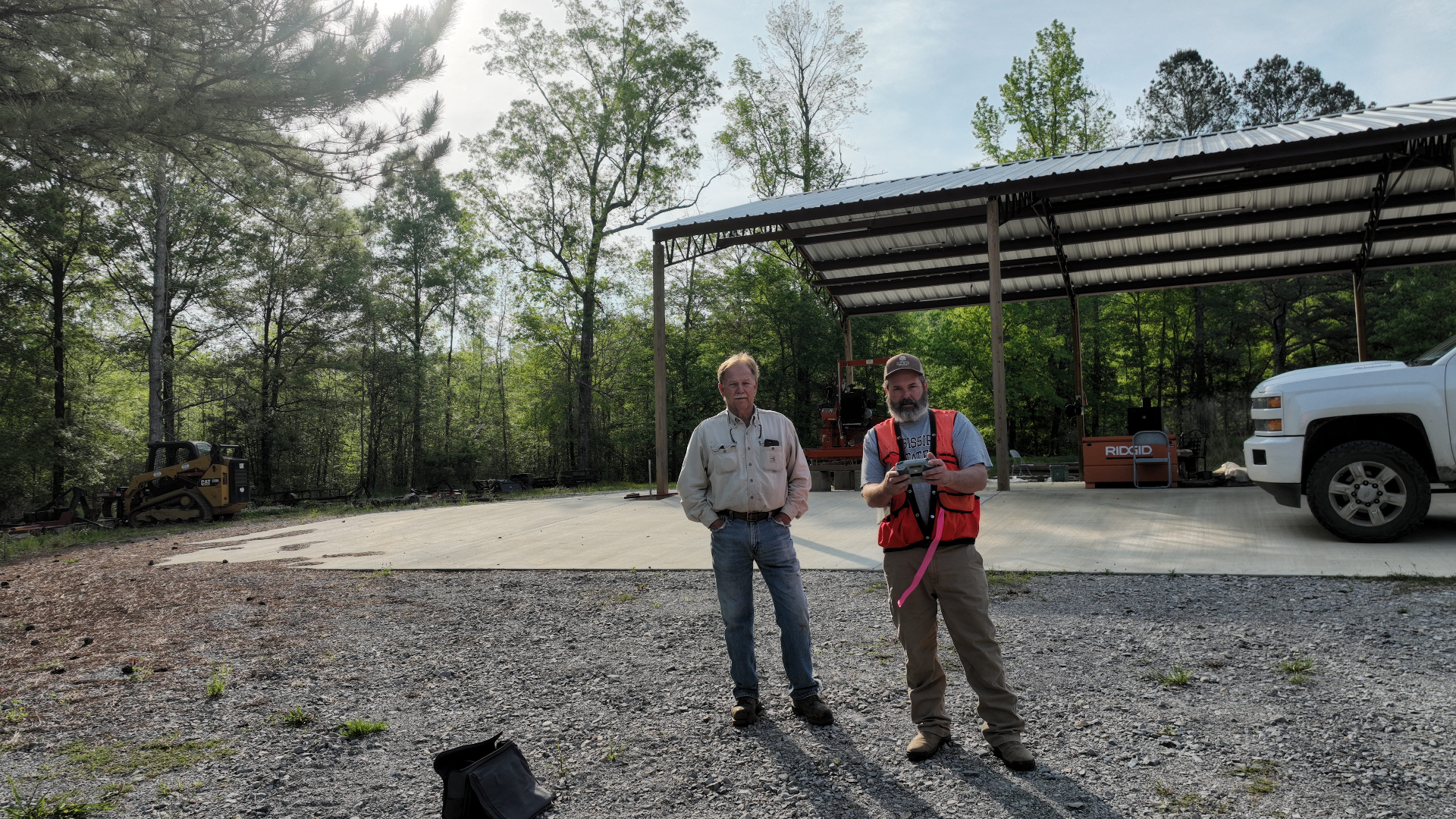
It’s important to be very familiar with your land. Southeast Forestlands offers aerial photography by an FAA-licensed UAV pilot for clear land assessments. You’ll need to know and understand your ecosystems, including their topography, tree species, soil quality and conditions, water features, wildlife, and existing vegetation. You’ll also want to consider the accessibility to your land; for instance, do you have easements? Can logging equipment access your timberland? Are the road conditions stable?
Step 3: Tree Inventory and Assessment
Assess tree species, age, health, stocking, and merchantable volume. This will help you formulate a plan for the protection and maintenance of your trees and identify potential future timber sales.
Step 4: Forest Management and Regeneration
Using the information you’ve gathered so far, consider what you need to implement to improve your property and protect your timber, including (but not limited to):
- Marking property lines
- Road and access work
- Prescribed burning
- Invasive species control
- Disease prevention and salvage
- Wildlife management
Timber Stand Improvement
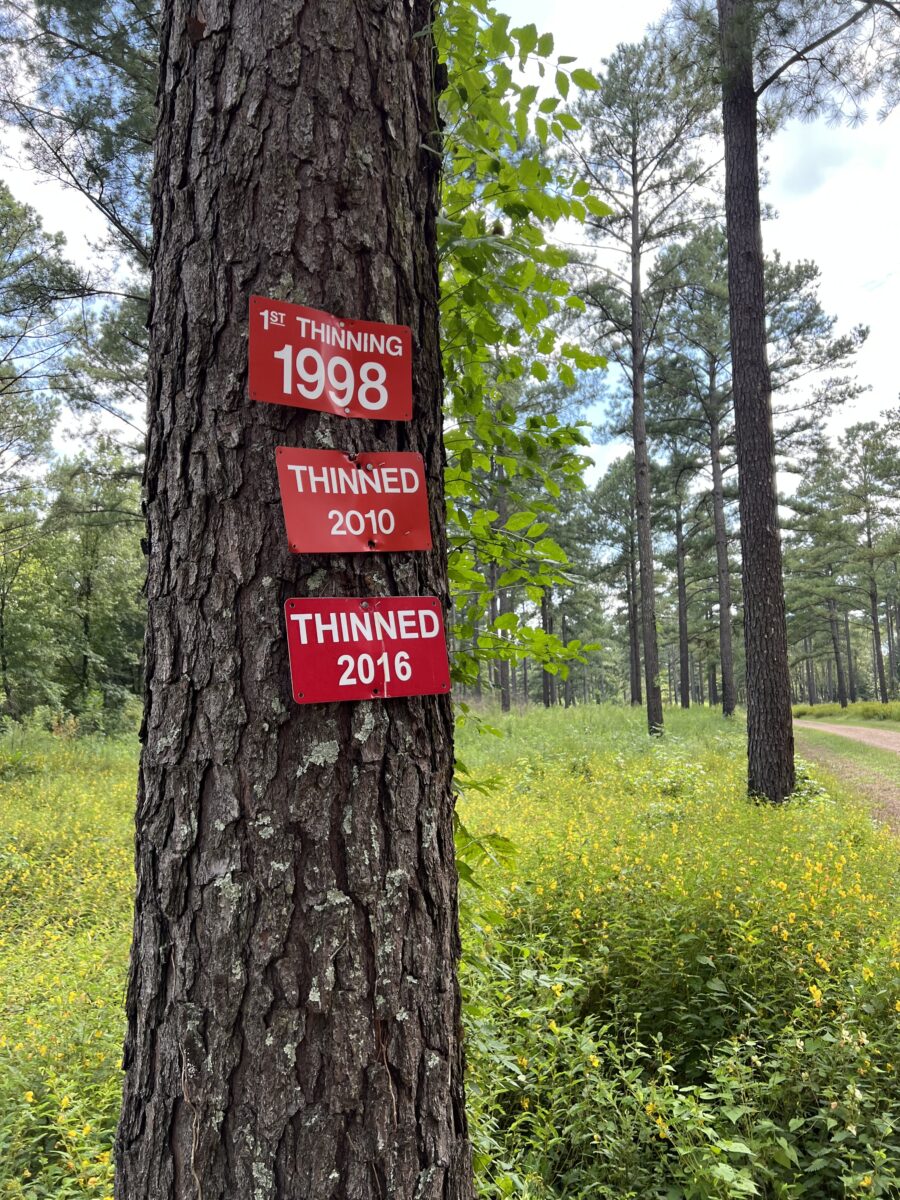
Stand treatments are another part of timber management, including timber stand improvement (TSI). TSI treatments improve the composition, quality, or growth of the existing stand.
- Thinning: Thinning reduces crowding and favors selected crop trees, giving them more growing space.
- Regeneration: Site preparation, planting, or natural regeneration is planned for the species and site. The method chosen, seedling condition, planting quality, weather, and competing vegetation all affect the resulting stand.
- Fertilization: Fertilization may improve tree growth where site conditions and nutrient needs justify it.
- Invasive species watch: This can help combat plant species that threaten your trees' health.
- Water quality control: Be sure to keep erosion to a minimum and ensure your streams, ponds, and wetlands have healthy aquatic ecosystems.
- Regulation compliance: Follow forestry best management practices (BMPs) and applicable water quality and endangered species laws.
- Wildlife habitat enhancement: A thriving forest ecosystem includes diverse habitats for wildlife. Areas for nesting, water sources, a healthy understory, and ample coverage for animals will add to your ecosystem and help it flourish.
Step 5: Plan the Harvest and the Timber Contract
Making a plan for when it's time to harvest can ensure your productivity and future ability to regenerate the forest. Choose a harvest method suited to the stand, site, and regeneration objectives. You will also need to consider logistics, such as which logging or lumber company you will contract with and how the process will proceed. This is a good time to consult a professional. Southeast Forestlands can connect you with the right buyer, negotiate a fair deal, draft a clear and comprehensive contract, oversee the harvest, and finalize the sale.
Step 6: Keep Learning
Stay informed about timber prices, best practices, and new developments in forestry management. Join a timber price watch list, attend workshops, seminars, or webinars, and consult forestry professionals regularly, such as those at Southeast Forestlands. Investing in your forestry education is investing in your timberland’s future.
If you would like help with timber on your Mississippi property, contact Southeast Forestlands.