
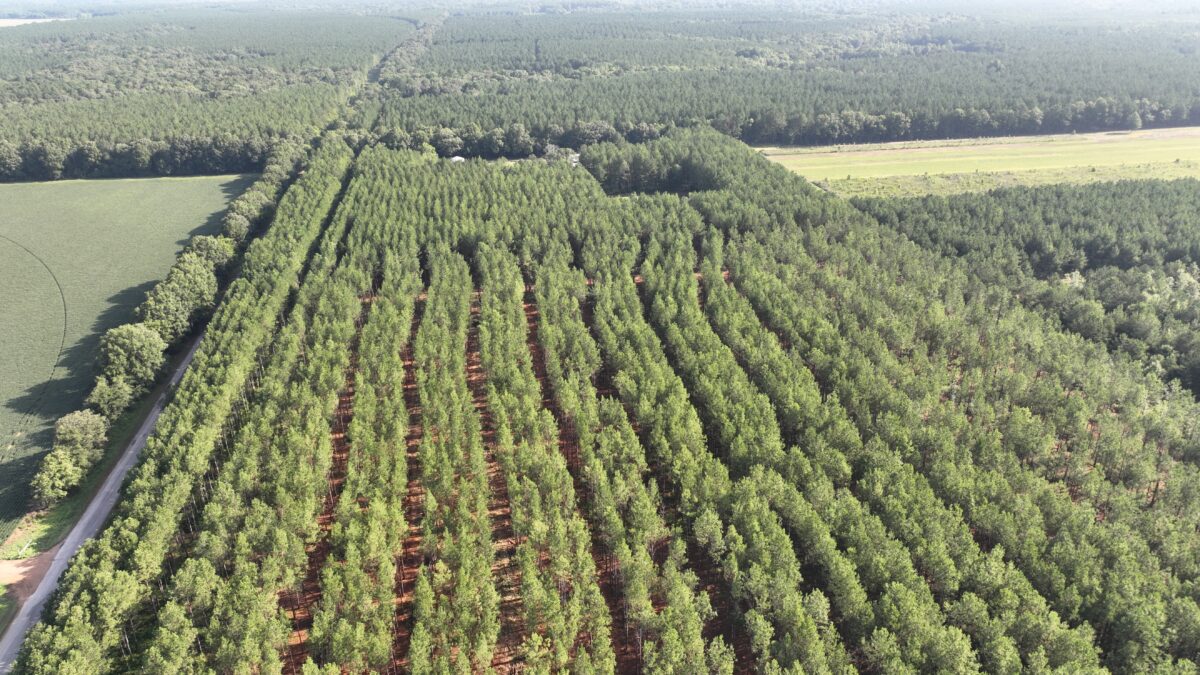
Timber Sales and Forest Management With Clear Guidance
Carroll County, Mississippi timberland can represent family heritage, long-term stability, recreation, and real financial value—but value is not automatic. Most landowners who get burned on a timber sale didn’t neglect their land. They made decisions without clear information: timber is priced without a true appraisal, the first offer is accepted without competitive exposure, and the contract doesn’t protect roads, soils, streamside areas, or the future stand. Once harvest begins, damage is treated as “part of it,” and long-term value is quietly traded away.
Local conditions matter in Carroll County. Stand types can shift quickly across rolling terrain, creek systems, and mixed pine and hardwood areas. Access and wet-weather operability can determine whether a tract harvests cleanly or gets rutted up. Haul distance, buyer appetite, and the timing of market demand also influence value. The landowner’s advantage lies in knowing what the tract can produce, what it is worth in today’s market, and how to structure a sale so the land is protected while fair value is realized.
That is where independent forestry guidance matters.
Southeast Forestlands works for landowners in Carroll County as an independent forestry consulting firm. We do not buy timber, and we do not represent mills. Our role is to provide structure and protection—establishing fair-market value, creating competitive buyer exposure, writing seller-protective contracts, and overseeing harvest operations so your property is treated with discipline rather than convenience.
Timber Sales, Appraisal, and Harvest Protection
A timber sale is often one of the most financially significant decisions a landowner will make. A proper process starts with evaluation: species mix, size distribution, quality, operability, and the realistic products the tract can deliver. A professional appraisal then sets expectations based on measurable facts—not guesses, not averages, not the first number someone offers.
From there, competitive exposure matters. When qualified buyers compete, landowners tend to see stronger pricing and stronger terms. The contract is the landowner’s protection, not a formality. Clear language on boundaries, payment terms, road use, wet-weather limits, streamside protections, cleanup standards, and accountability helps prevent problems before equipment ever enters the woods. Oversight during harvest is what makes those protections real. It reduces the chance of rutting, erosion, boundary issues, and residual stand damage that can take years to correct.
Management Beyond the Sale
Many landowners in Carroll County are not ready to sell—and many should not be. A forestry management plan creates direction without pressure. It clarifies what the stand is today, what it can become, and the steps that improve outcomes over time. That may include thinning schedules, timber stand improvement priorities, regeneration planning, and timing aligned with income goals, wildlife habitat, recreation, or legacy ownership.
In many cases, the highest-value move is not selling immediately. It is improving stand structure and health so the next sale—when it happens—commands stronger pricing with less operational risk.
What to Expect When You Reach Out
When Carroll County landowners contact Southeast Forestlands, the process starts with information and a clear plan forward:
- The tract is reviewed in the context of your goals and concerns
- Options, timing, and risks are explained plainly
- A protected sale or management path is outlined based on facts
- You decide how and when to proceed
The goal is not to pressure a sale. The goal is to replace uncertainty with clarity, protect the land through any operation, and help you move forward with confidence.
FAQ — Carroll County Timber Decisions
Do I need a forester to sell timber in Carroll County, Mississippi?
A forester is not legally required, but many landowners use one to avoid undervaluation, weak contracts, and preventable damage. Representation is often the difference between a convenient sale and a protected sale.
Can poor logging reduce future timber value?
Yes. Rutting, erosion, and residual stand damage can reduce growth and quality for years. Seller-protective contracts and harvest oversight reduce that risk.
What if I’m not ready to sell yet?
That is common. Many landowners start with an evaluation and management plan so future timing, improvement steps, and expected value are clear before any sale decision is made.