George County is the heart of the Pascagoula River basin — Lucedale sits inside a tight ring of mills working out of the coast, Mobile County, and southeast Mississippi, and MS 26 and US 98 keep haul access strong in every direction. Most of what I walk here is loblolly plantation on the uplands with significant bottomland hardwood acreage along the Pascagoula, Chickasawhay, and Leaf drainages — and the access on those bottom tracts is usually the whole story on sale day.
I work with George County landowners on cruises, sale layout, harvest oversight, and reforestation. The most common value loss I see out here isn't tree quality — it's a bottom-ground sale priced like an upland sale, a contract without real wet-weather language, or a harvest run without oversight on ground that holds water longer than the buyer expected.
Timber Markets and Harvest Strategy in George County
George County sits within an active South Mississippi timber corridor where pine plantations, mixed pine-hardwood stands, and smaller family tracts are common. Because tract sizes vary widely, the way timber is marketed and harvested can significantly influence the final outcome — and a current timber appraisal calibrated to the Lucedale and Mobile-area buyers is usually what separates a fair offer from a top offer.
Several factors shape timber value in this region:
- Distance to regional pine mills and hardwood markets
- Tract size and layout for logging equipment
- Plantation density and thinning history
- Access roads and turn-around capability for log trucks
- Soil behavior during wet conditions
Two properties only a few miles apart may require very different harvest strategies depending on these conditions.
Professional forestry evaluation helps determine whether a tract should be thinned, fully harvested, improved through stand management, or held for future growth.
Making that decision with real information — rather than reacting to an offer — protects long-term timber performance.
Example from the field: On a Pascagoula-bottom tract south of Lucedale, the original offer combined upland pine and bottomland hardwood at a single price and 'any-weather' logging terms. Separating the products, timing the bottom-ground harvest to dry conditions, and rewriting the SMZ language brought a combined number well above the lump offer — and the bottom ground was still usable after the loggers left.
Timber Sales Representation in George County
Selling timber is not simply agreeing to a price. It is a structured process designed to establish value and protect the landowner during harvest operations.
Southeast Forestlands represents George County landowners throughout the entire timber sale process, including:
- Timber cruising and stand evaluation
- Professional timber appraisal and value estimation
- Selection of the best sale method (competitive bid or negotiated sale)
- Exposure to qualified timber buyers
- Seller-protective contract preparation
- Harvest oversight to protect soils, roads, and residual timber
Price matters, but price without protection can create long-term damage to the property. Proper contracts and on-site supervision help ensure the harvest is conducted responsibly.
Independent Forestry Representation for Landowners
Southeast Forestlands is structured around one principle: landowner representation.
We do not purchase timber and do not work for mills or logging operations. That independence allows us to focus entirely on protecting the landowner’s financial and property interests.
Our work centers on:
- Establishing fair-market timber value
- Creating buyer competition when appropriate
- Protecting soils, roads, and SMZs during harvest
- Preserving the productivity of future rotations
- Helping landowners make informed decisions
Many of our clients are family landowners, absentee owners, or heirs managing inherited property. They are not looking for pressure — they are looking for clear, professional guidance.
Forest Management and Long-Term Timber Performance
Not every timber stand in George County should be harvested immediately. In many cases, better long-term results come from improving the stand before selling.
Management strategies may include:
- Thinning at the proper stand age
- Timber Stand Improvement (TSI)
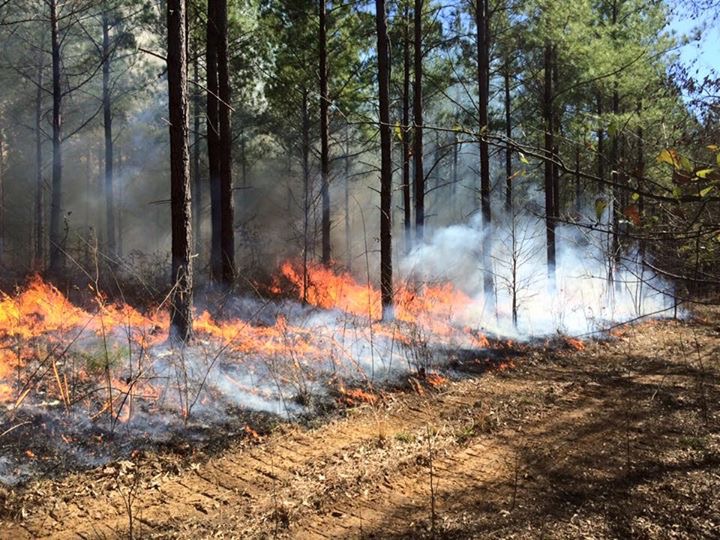
- Competition control through herbicide or prescribed fire
- Regeneration planning for the next rotation
- Access improvements to support future logging operations
A management plan provides clarity about what actions will protect the land and improve future timber value.
Regional Market Context
Timber markets rarely stop at county lines. Buyers operating in George County often purchase timber across nearby areas where mill demand and haul routes overlap.
Landowners may also want to consider the regional context from nearby markets, such as:
- Jackson County, MS – Forestry Consulting & Timber Sales
- Greene County, MS – Forestry Consultants for Landowners
- Stone County, MS – Timber Sales Representation
Understanding these regional market relationships can influence buyer competition and harvest timing.
Additional Forestry Services for George County Landowners
Southeast Forestlands also provides services designed to protect long-term land value, including:
- Timber appraisals and valuation reports
- Timber Stand Improvement (TSI) planning
- Prescribed Burning coordination
- Reforestation and site preparation guidance
- Tree Farm certification
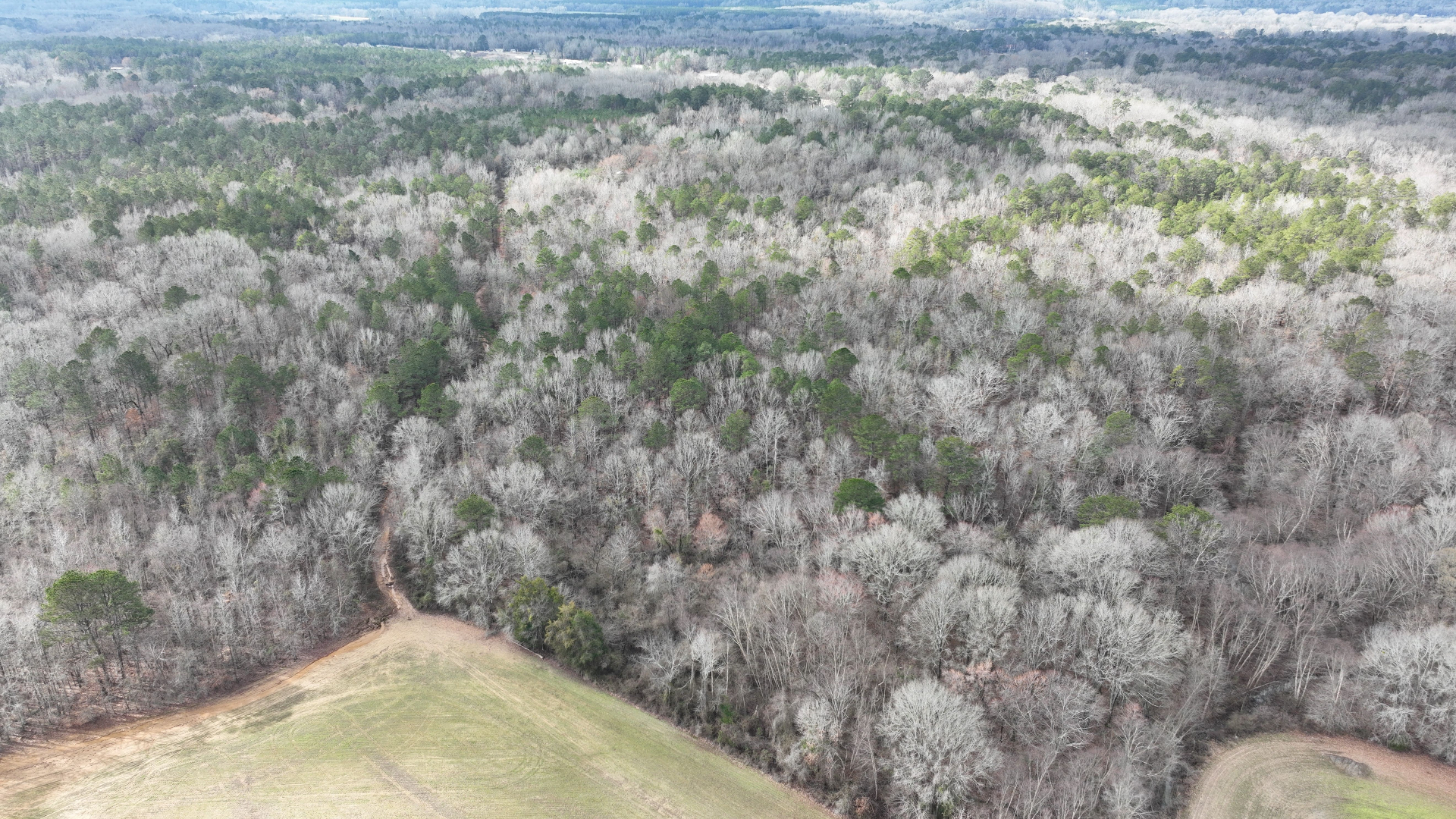
- Drone mapping and aerial documentation
Each service is intended to help landowners manage timberland deliberately rather than reactively.
Questions George County Landowners Often Ask
Should I respond to a timber buyer who contacts me directly?
There is nothing wrong with speaking to buyers, but decisions should be based on verified timber value and a structured sale strategy rather than an unsolicited offer.
How do I know if my timber is ready for thinning?
Stand density, crown development, and growth rates usually indicate when thinning becomes beneficial. A professional stand evaluation can quickly determine whether thinning will increase or reduce long-term value.
Can logging damage my property?
Yes. Poorly supervised harvests can create road damage, rutting, erosion, and residual stand damage. Proper contracts and on-site oversight greatly reduce these risks.
Do you work with smaller tracts in George County?
Yes. Many landowners own smaller or mid-sized properties. The key question is whether a timber sale or management action makes financial sense for the property.
What should I do if I’m not ready to sell timber yet?
The best step is gaining clarity about the stand condition, growth potential, and access constraints. A simple evaluation often prevents costly decisions later.
The George County Mistake That Costs the Most
The bottom ground along the Pascagoula and Chickasawhay does not behave like the uplands, and it does not get logged like the uplands. The single most expensive George County mistake I see is a wet-bottom sale written without real wet-weather language — a December rain hits, the tract sits, and the buyer walks back to the price he wished he had bid in the first place. Sale structure, contract language, and oversight have to match the ground. On a George County bottom tract, that is the whole job.
For larger or harder-to-walk tracts in the Pascagoula bottom, aerial mapping usually saves a day on the ground and shows the access problems a windshield tour will miss.
Contact Southeast Forestlands
If you own timberland in George County, Mississippi, and want independent forestry guidance, Southeast Forestlands can help you evaluate your timber, understand market conditions, and make decisions that protect both your land and your long-term value.
Contact Southeast Forestlands to discuss your property with a Registered Forester.