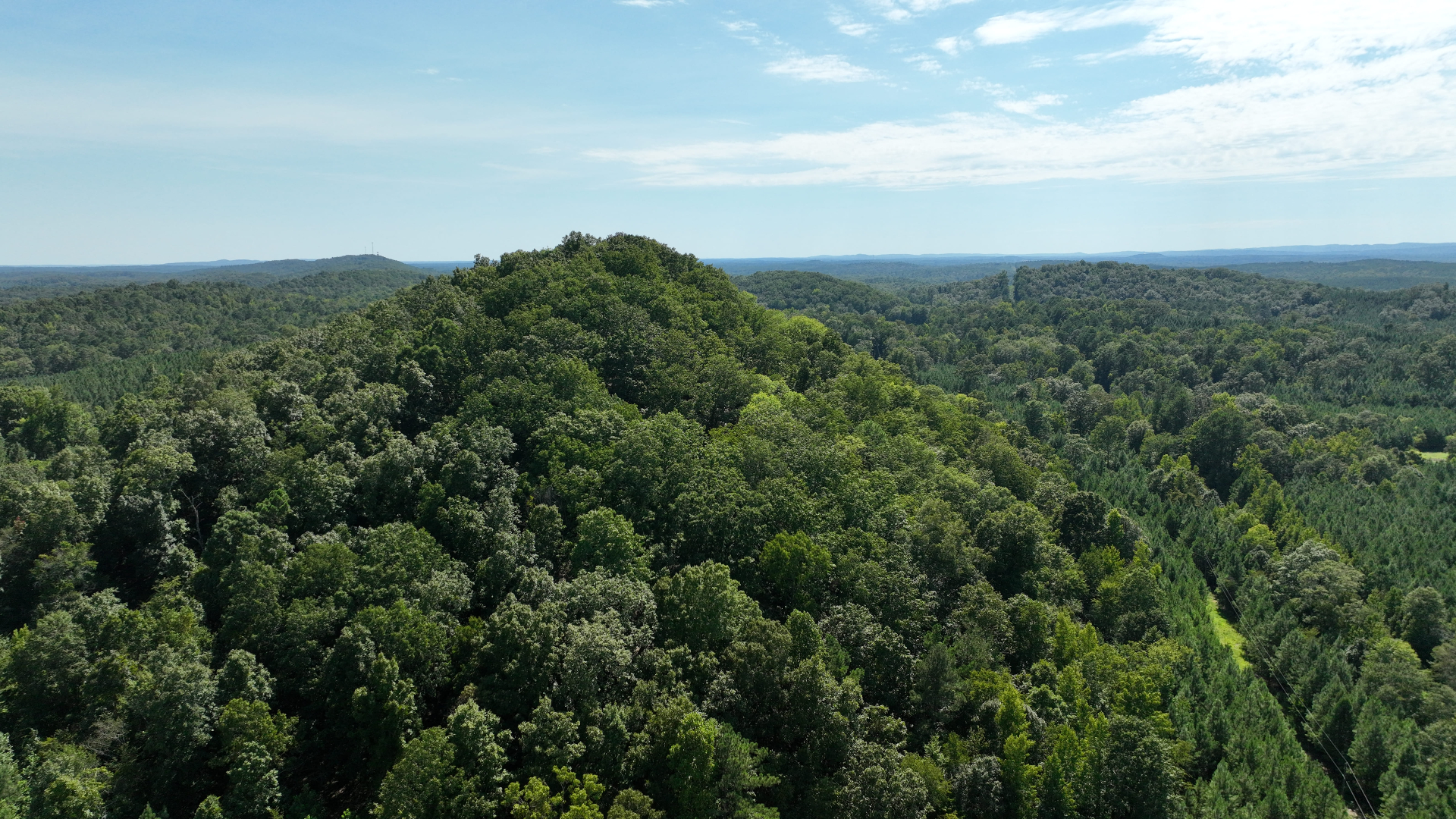
Claiborne County is river-bluff country, and the timber here reflects it. Hardwood bottoms run along the Mississippi and Bayou Pierre, while the loess hills around Port Gibson carry mixed pine-hardwood and loblolly plantation on steeper ground than the flatwoods country to the east.
I work with Claiborne landowners on cruises, sale layout, and reforestation planning. Timber moves to the Natchez cluster, north to Vicksburg, and east toward Brookhaven — and the right structure on a sale here usually means splitting pine from hardwood products and matching each to the buyer pool that actually pays the most for it.
Clear Guidance for Timberland Decisions That Protect Long-Term Value
Example from the field. A Claiborne landowner near Port Gibson had a tract running from Bayou Pierre bottomland up onto the loess hills, and the first offer treated it all as one number. After cruising it, we split the hardwood bottom from the upland pine, marketed the pine to the Brookhaven/Natchez pine buyers and the hardwood to the river-corridor mills, and the spread on the two contracts came in well above the original walk-up.
Timberland in Claiborne County, Mississippi, holds real financial and generational value — but most landowners don’t struggle because they lack timber. They struggle because the decisions surrounding timing, pricing, and harvest risk feel unclear.
The unasked questions are usually the real ones:
- What happens if I sell too early?
- How do I know I’m not leaving money on the table?
- What if a harvest damages roads, soils, or the next stand?
- How do I protect family land without becoming a forestry expert?
These are not simple questions — and guessing wrong can affect land value for decades.
That’s where professional forestry guidance matters.
At Southeast Forestlands, our role is to guide Claiborne County landowners through timber sales and forest management decisions so they can move forward with clarity, confidence, and protection — not pressure.
Why Forestry Guidance Matters in Claiborne County
Claiborne County includes productive pine ground, mixed hardwood systems, steep terrain, river-bottom soils, and variable access conditions. These factors directly influence harvest feasibility, equipment limitations, and timber value.
Without professional guidance, landowners often:
- Sell timber before biological maturity
- Accept pricing based on convenience instead of competition
- Underestimate how harvest damage impacts future rotations
- Miss opportunities to improve timber quality before selling
A consulting forester evaluates these risks early and helps landowners develop a plan that aligns financial return with long-term land health.
For landowners whose markets and haul corridors overlap southward, regional pricing and buyer pressure often mirror conditions in Jefferson County, MS, making this page a useful reference:
Selling Timber in Claiborne County Without Guesswork
Most timber problems don’t start during harvest — they start before a contract is ever signed.
A properly structured sale begins with understanding:
- What is the timber worth today
- Whether the stand is biologically and financially ready
- How harvest operations will affect the land afterward
Southeast Forestlands works exclusively for landowners. We do not buy timber or represent mills. That independence allows us to evaluate each tract solely on the basis of landowner objectives.
The process includes professional valuation, competitive buyer exposure, a disciplined contract structure, and harvest oversight, all designed to protect access roads, soils, boundaries, and residual timber. The goal is not speed. The goal is correctness.
Forest Management Beyond the Sale
In many Claiborne County tracts, the best financial decision is not to sell immediately.
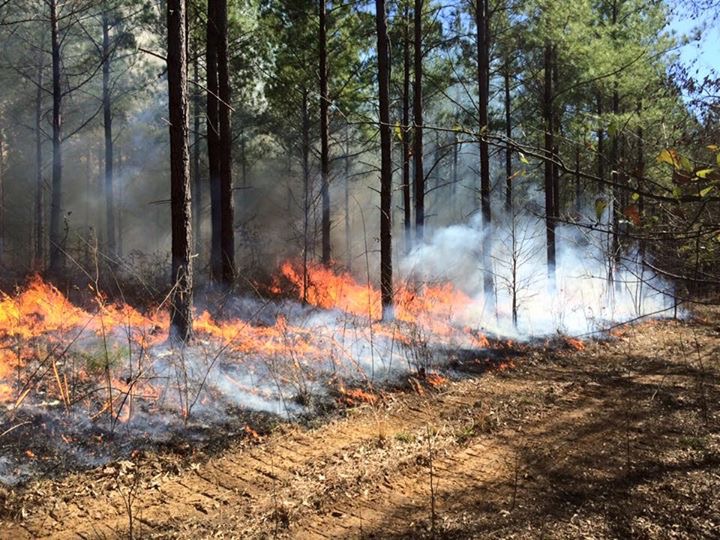
Strategic thinning, competition control, and stand improvement often increase growth, improve timber quality, and reduce future harvest risk. These steps may delay a final sale — but they frequently produce stronger long-term returns.
For landowners who want to understand how planning, valuation, and harvest oversight fit together before making decisions, our forestry consulting services explain the process in more detail:
Start With Information, Not Pressure
Most Claiborne County landowners I work with are first-time sellers or families managing inherited ground. They're not looking for a sales pitch — they're looking for a straight read on what's there and what the options are.
If you own timberland in Claiborne County, Mississippi, and want guidance before decisions get made, the first step is a conversation.
Contact Southeast Forestlands to walk through your land, your concerns, and your options.
Related Services and Nearby Counties
Most Claiborne County work threads through the same core service stack — Timber Sale, Timber Appraisal, Management Plan, Reforestation, and Timber Stand Improvement. When a tract straddles county lines or a neighboring landowner has the same questions, we work across the line into Warren County, Hinds County, Copiah County, and Jefferson County.