A lot of the Oktibbeha County timberland we look at has more than one name on the deed — siblings out of Starkville, an heir down at Mississippi State, a parent who managed the place on a handshake for thirty years. The tracts are smaller than most of the surrounding county network, more fragmented, and almost always carry two or three different purposes at once: timber, deer ground, maybe a future cabin or building site.
The forestry side of that is usually the simpler half. The hard part is structuring a decision the family can actually agree on, in a county where the timber market sits between the Starkville–Columbus mill pull to the east and the Winston–Choctaw natural-pine ground to the west. Where a tract sits on that map matters as much as what’s growing on it.
That changes how timber decisions should be made.
Strong timber alone does not guarantee a strong outcome here. Many landowners encounter problems not because their timber lacks quality, but because decisions on timing, pricing, and harvest execution are made without understanding how tract size, access, and competing land uses affect buyer behavior.
Southeast Forestlands works for landowners — not mills, not buyers, and not logging crews. providing independent guidance through forestry consulting services built around your property and long-term goals.
Why Oktibbeha County Timber Requires a Different Approach
Oktibbeha County is not a one-size-fits-all timber market.
Example from the field. Took on an Oktibbeha County tract near Starkville where development pressure on one side and quality timber on the other meant the timing of the sale mattered as much as the price. We structured a sealed-bid lump sum with tight access and damage language, ran bids to the Starkville / Ackerman / West Point mill pool, and closed cleanly before the next round of road work changed the haul economics.
What we see in Oktibbeha County. Most of the Oktibbeha tracts we walk are 40–120 acres of mid-rotation loblolly with a hardwood drain, owned by more than one heir, and within an hour of the Starkville–Columbus mill cluster. The recurring decision is the same: thin again, sell now, or hold the stand together until the family lines up. A cruise that breaks the tract into pulpwood, chip-n-saw, and sawlog usually does more for the conversation than any single buyer’s number — because the question stops being should we sell and starts being what is this tract actually worth on a real sale day.
The area includes a mix of pine stands, prairie soils, hardwood drains, and agricultural ground — often tied to recreational use or long-term land investment.
This creates real differences compared to surrounding counties:
- smaller tract sizes that can limit buyer competition
- mixed-use land that affects how timber is valued
- access and layout that determine whether logging is efficient
- development pressure near Starkville that influences timing decisions
Timber markets are still influenced by surrounding areas, including Noxubee, Winston, Neshoba, Newton, and Clay Counties, as well as nearby Alabama mills.
But in Oktibbeha County, the outcome is often driven just as much by tract layout, access, and intended land use as it is by timber volume.
If your timber is only shown to one or two buyers, you are not seeing the full market value.
Where Landowners Lose Money
Most problems follow a predictable pattern:
- no professional timber valuation
- accepting the first offer instead of creating leverage
- weak contracts that do not protect the property
- no supervision once harvesting begins
Many timber sales are exposed to only a small number of buyers, directly limiting competition and affecting both price and contract quality.
Timber Sales, Appraisals & Representation
A timber sale is often one of the most financially important decisions a landowner will make.
A properly structured sale begins with on-site evaluation — species mix, volume, quality, access, terrain, and operability — so decisions are based on facts, not assumptions.
A professional appraisal establishes fair-market value before offers are made, giving landowners leverage rather than reacting.
From there, competitive exposure brings multiple qualified buyers into the process, improving both pricing and contract strength.
The timber sale contract is not paperwork — it is protection.
Clear terms covering boundaries, payment structure, road use, wet-weather limits, SMZ protection, and cleanup standards prevent problems before they start.
Learn more about timber sale representation in Mississippi and how forestry consulting services protect landowners throughout the process.
Before You Sell — Understand the Tract
Every property needs to be evaluated as an operating piece of ground, not just standing timber.
We evaluate:
- access and internal road systems
- terrain and drainage patterns
- wet-weather operability
- tract layout and logging flow
- constraints that impact harvesting
This is where the most costly mistakes are prevented.
Tools like drone mapping for timberland evaluation and timber appraisal services help clarify value before decisions are made.
Independent Means You’re Protected
We do not buy timber.
We do not represent mills.
We do not work for logging crews.
We represent the landowner.
That means:
- no pressure to sell
- no conflict of interest
- no shortcuts
Only clear, objective guidance based on your property.
Management Often Beats Rushing a Sale
Many Oktibbeha County landowners are not ready to sell — and in many cases, they shouldn’t be.
Improving a stand before selling often leads to stronger outcomes.
That may include:
- thinning strategy and timing
- Timber Stand Improvement (TSI)
- herbicide and vegetation control
- Prescribed Burning
- Reforestation Planning
- access improvements
Rushed harvests cap value. Managed stands build it.
Learn more about Prescribed Burning for timberland management, reforestation, and site preparation services.
Timber Trespass, Monitoring & Land Protection
Protecting boundaries and reducing the risk of unauthorized cutting are key to preserving land value.
Boundary verification, documentation, and periodic monitoring help preserve both current timber value and future management options.
When needed, we assist with timber trespass documentation and damage assessment so landowners have clear support if issues arise.
Questions Oktibbeha County Landowners Ask
How do I know if my timber will attract strong buyers?
Access, tract layout, operability, product mix, and market demand determine buyer interest. A professional evaluation clarifies how to structure the sale.
What causes the biggest problems after a timber sale?
Weak contracts and lack of supervision — not price — are the most common issues.
How early should I plan a timber sale?
Ideally, 12–36 months in advance to allow time for preparation, access to work, and proper market exposure.
Is thinning sometimes better than the final harvest?
Yes. Thinning often improves growth, reduces risk, and increases long-term value.
Prairie Restoration & Cedar Removal in Oktibbeha County
Oktibbeha County includes areas of native prairie and transitional ground that require a different management approach than traditional pine timberland.
One of the most common issues on these sites is eastern red cedar encroachment. Left unmanaged, cedar can quickly take over open ground, reduce native plant diversity, limit wildlife habitat, and change how the land performs over time.
Restoration often involves mechanical removal of cedar followed by follow-up management to allow native grasses and vegetation to recover.
In many cases, this work is supported by USDA conservation programs, such as the Conservation Stewardship Program (CSP), which can help landowners improve habitat, restore native ground cover, and bring land back into productive use.
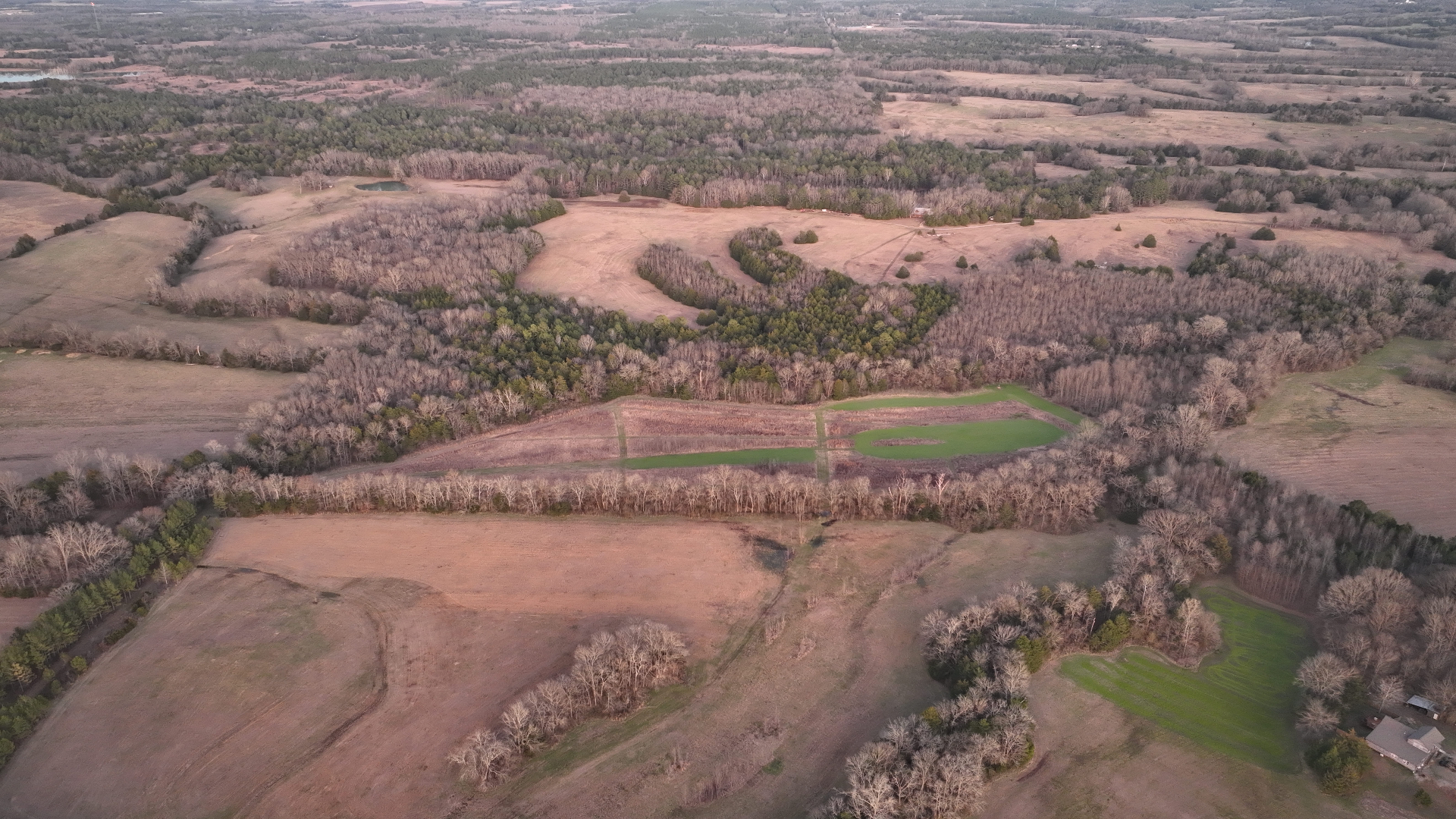
This example shows prairie restoration work in Oktibbeha County, including cedar removal and early-stage recovery of native vegetation.
Proper follow-up management is critical. Without it, invasive species and competing vegetation can return quickly and reduce the effectiveness of the restoration effort.
What Happens Next
- we map your property
- evaluate your timber and access
- explain your options clearly
If you own timberland in Oktibbeha County, Mississippi, the first step is understanding what your property is capable of — and how current market conditions affect your options.
The Oktibbeha tracts that stay productive across generations are almost always the ones somebody planned for on purpose — a cruise before the first offer, a written plan the heirs can read, and a sale built around the family’s timing instead of a buyer’s. The ones that don’t are usually the ones where one decision got made in a hurry, and the next owner inherited the consequences. The Starkville market won’t wait, but it also doesn’t punish a tract that’s ready before it gets shown.
Request an Oktibbeha County timber tract review to start that conversation.