
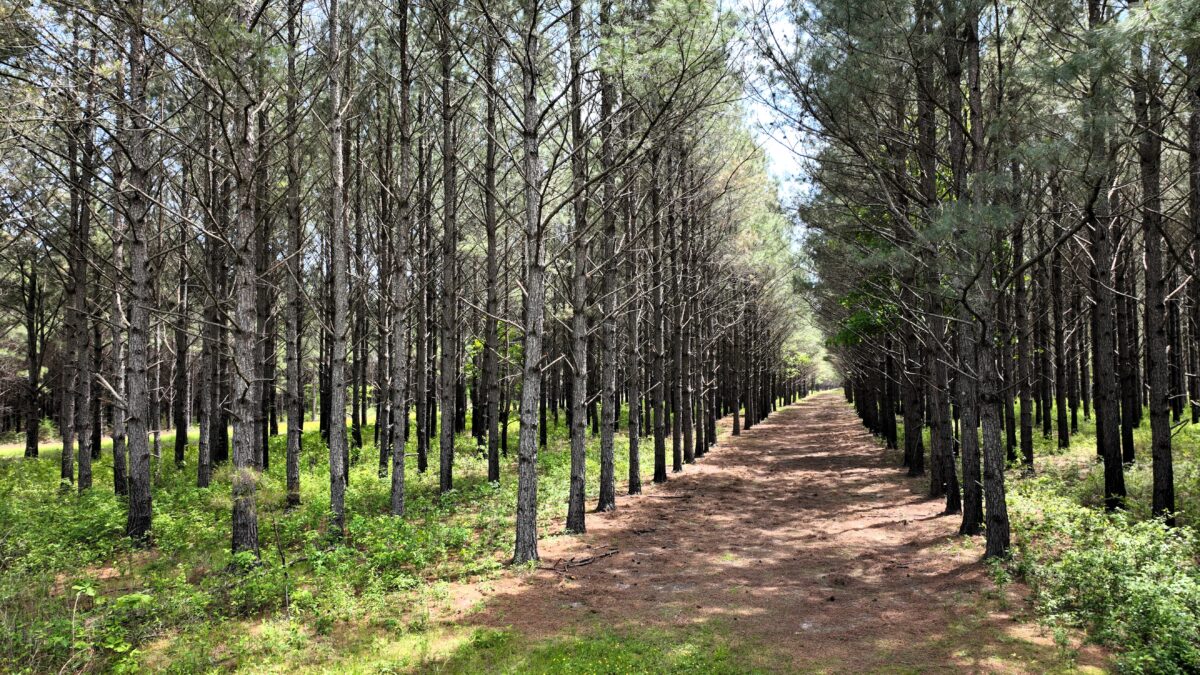
If your timber looks ready to thin but hasn’t moved, there’s usually a reason — and it’s not always the market.
Factors like tract size, access, timing, and how your timber is presented to buyers all play a role.
Most timber doesn’t get passed over because of price — it gets passed over because of how it’s positioned.
Small differences in access, timing, tract size, and how a sale is structured can mean the difference between a thinning that moves — and one that sits.
This quick assessment is designed to help you identify what may be holding your timber back before you make a decision.
Your Timber Assessment Request Has Been Received
Thanks for taking a minute to walk through that.
Based on what you shared, there’s a strong chance your timber situation could benefit from a quick review — especially regarding how the sale is being positioned, timing, and buyer exposure.
We’ll review your responses and reach out shortly with some initial thoughts.
If you’d rather move faster, you can call or text directly:
601-527-5349
No pressure — just clear guidance so you can make a better decision on your land.
Common Questions:
Why isn’t my timber getting thinned?
Most timber doesn’t get thinned because of how the sale is positioned — not because there’s no value there.
Buyer exposure, tract size, access, timing, and how the sale is structured all play a role. In many cases, thinning delays are preventable with the right approach and market exposure.
Does this mean my timber isn’t worth anything?
Not at all.
In many situations, the issue isn’t value — it’s how that value is being presented to the market. Small changes in timing, access planning, or buyer exposure can significantly impact whether a thinning moves forward.
Should I go ahead and thin now or wait?
That depends on your current condition and goals.
Some stands benefit from immediate thinning to reduce competition and improve growth. Others need more time, or a different treatment, before a thinning makes sense.
That’s why a quick evaluation matters before making a decision.
Do I need a forester to get my timber thinned?
You don’t have to — but it can make a significant difference.
A forester helps position the sale correctly, reach multiple buyers, and structure the process in a way that protects your land and improves your outcome.
What happens if I do nothing right now?
In some cases, waiting can reduce future value.
Overstocked stands can slow growth, increase stress, and limit long-term potential. Timing matters — and knowing whether to act now or later is one of the most important parts of managing timber.
Are timber markets different in Lauderdale County, MS?
Yes — timber markets can vary significantly across Mississippi, even between neighboring counties.
In neighboring Scott County, factors like distance to mills, buyer competition, tract size, and access all influence whether a thinning moves forward and what kind of pricing or interest you see.
Some areas have strong demand for certain products, while others may be more limited depending on mill quotas and hauling distance. What works in one county doesn’t always translate directly to another.
That’s why understanding the local market conditions in a county like Kemper County matters before making a thinning or sale decision.