
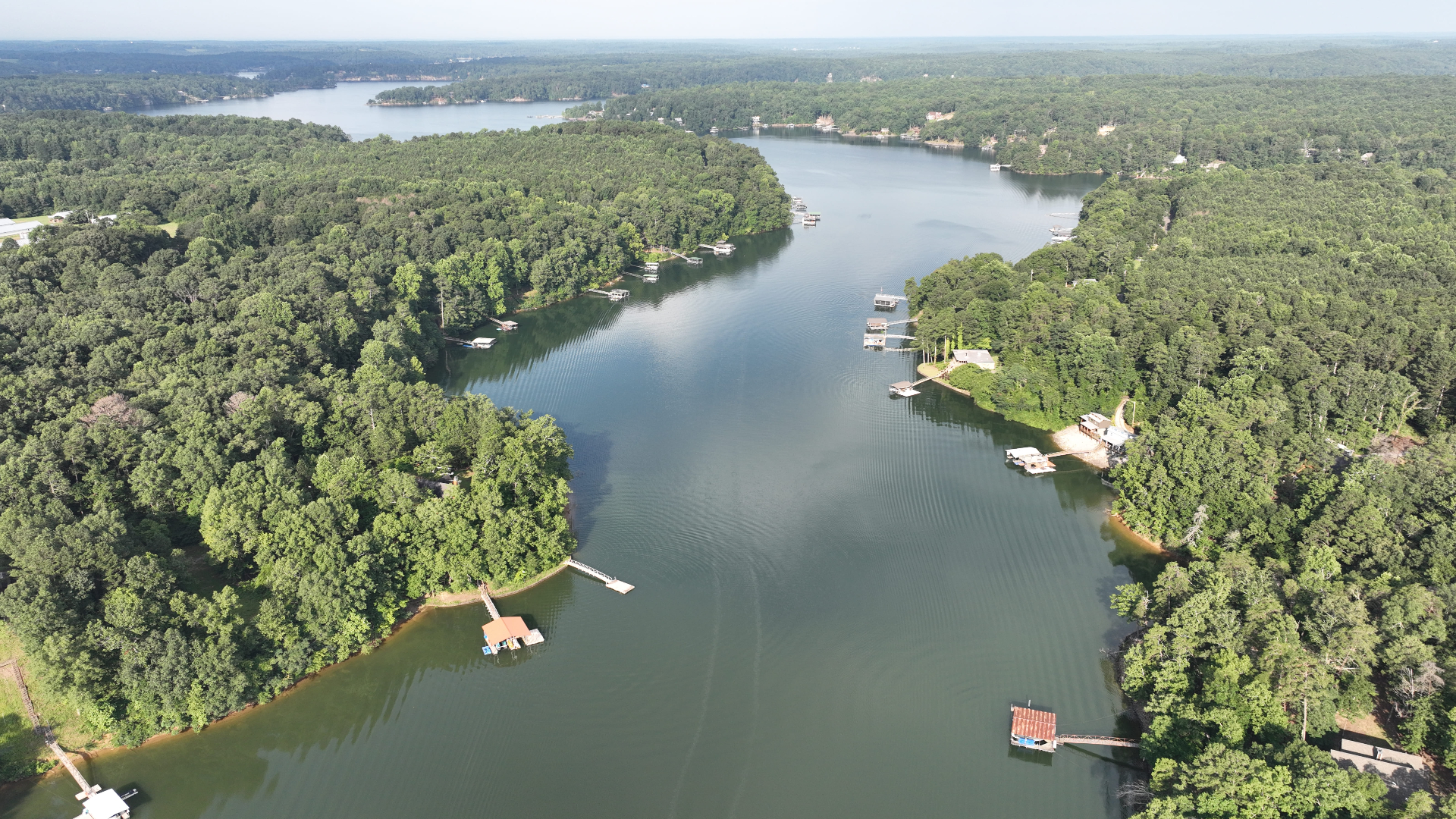
Lamar County occupies the northwest Alabama hill country along the Mississippi state line, anchored by Vernon and communities like Sulligent, Millport, Kennedy, and Detroit. Loblolly plantations dominate the rolling uplands, with hardwood draws and bottomland along the Buttahatchee and Luxapallila. What tends to distinguish a Lamar County sale is the state line itself: Alabama-side mills in the Vernon and Hamilton area are close, while Columbus-area Mississippi mills across the line may sit within competitive haul distance from the western part of the county.
Whether that cross-line participation shows up on a specific tract depends on how the invitation goes out, the product mix on the ground, and current haul distances at the mill end.
The West Alabama Hill Terrain and Buttahatchee Drainages
Lamar County ground generally runs to rolling silt-loam uplands with sandy ridges and creek bottoms along the Buttahatchee, Luxapallila, and Yellow Creek. Planted loblolly is the dominant stand type on the ridges; hardwood draws and bottomland can carry grade hardwood where the stand has been left to build stems. Because product classes can shift across a single property, marketing pine and grade hardwood on the same terms may undervalue the hardwood, and a cruise that separates the products before the offer goes out is a defensible starting point.
Example forestry scenario for local landowners. Consider a Lamar County tract near Vernon where a single buyer has pitched a per-ton pulpwood number on a stand the owner has assumed is “just pulp.” On some tracts, a cruise may identify a chip-n-saw and sawtimber component that would be valued differently if the sale invited both Alabama and Mississippi mills. Whether a wider bid range results on a specific tract depends on stem quality, product volumes, and current buyer activity, and only a cruise and market review can clarify the opportunity.
Cross-State Mill Pool Between Vernon and Columbus
Buyer participation on a Lamar County tract tends to draw from a two-state pool anchored by Vernon, Sulligent, Millport, and Hamilton on the Alabama side and by Columbus-area Mississippi mills on the western side, with Tuscaloosa-shed outlets adding to the mix depending on the tract. Which of those respond depends on tract location, product mix, and how the sale is exposed. A sealed-bid timber sale that invites both sides of the line generally tests the walk-up offer against a wider buyer pool than an Alabama-only or Mississippi-only solicitation.
Product Separation on a Lamar County Tract
The product mix on a Lamar County tract can move quickly from planted pine ridges to a mixed-hardwood draw to a hardwood bottom. Rolling those three settings into one lump-sum pine offer generally values every stem on the terms of the least-picky buyer. The alternative is a cruise that scores each stand type on its own basis, a prospectus that carries the tract as several product classes, and an invite list that lines up a hardwood grade pool alongside the pine buyers rather than in place of them.
Contract Protections on Narrow-Road Tracts
A meaningful share of Lamar County tracts sit off narrow county roads with soft creek crossings into the Buttahatchee, Luxapallila, or Yellow Creek drainages. Structuring the sale around a defensible harvest window and mapping road maintenance, gravel commitments, streamside management zones, and BMP requirements into the contract before bid tends to give buyers a known set of conditions to price against and protects the landowner's road system after the sale closes.
Timing, Thinning, and Long-Term Stand Decisions
Not every Lamar County conversation is a sale conversation. A written forestry management plan can sequence thinning timing on overstocked loblolly, targeted timber stand improvement in mixed stands, and reforestation on cutover ground. Thinning timing generally depends on stocking, age, and product objectives; a walk-through and measured stocking read tends to answer that question better than a calendar rule.
Cross-State Haul Geography and Mixed-Product Marketing in Lamar County
Lamar County's position near the Mississippi line means the relevant buyer pool for a particular tract may include mills and dealers in either state, depending on haul economics and product demand. Planning can treat haul geography as a marketing input by matching each measured product class with qualified buyers whose yards can receive it economically.
A possible consulting scope may include a cruise across ridges and bottomland; product-class segregation for sawtimber, CNS, pulpwood, and hardwood; a prospectus for Alabama- and Mississippi-side buyers; contract terms for haul-road use and SMZ buffers; and oversight through settlement.
Multi-County Ownership Along the Line
Buyer participation, mill draw, and haul economics in Lamar County may reach into Marion County, Fayette County, Monroe County, and Lowndes County. When a landowner holds acreage in more than one of those counties, a single coordinated marketing package may hold up better than a sequence of separate sales.
Start the Conversation
Southeast Forestlands does not buy timber, log timber, or accept referral fees from buyers or loggers. Independent Alabama forestry consulting is the entire offering — the cruise, the sale prospectus, the bid opening, and the harvest oversight are all run on the landowner's behalf.
If you own timberland in Lamar County, a first conversation is generally the productive starting point — no obligation, no buyer in the room, and an honest read on whether selling, thinning, holding, or planning first is the right call for the tract this year. Reach out when you are ready.
Because product classes can shift within a short distance on a Lamar County tract, the cruise generally samples the ridges, draws, and bottoms separately rather than averaging them into a single per-acre number. That approach produces a prospectus a grade buyer can price against without guessing at the mix.
Haul distance from Vernon and Sulligent into the Columbus-area Mississippi mill cluster may be shorter than the haul to some central Alabama outlets, depending on tract location and current haul economics. Whether the cross-line pool improves realized value on a specific stand depends on the product mix and current mill activity, but leaving those buyers off the invitation list generally reduces the number of qualified bids the sale can attract.
Overstocked loblolly past the first-thinning age may lose diameter growth on the leading crop trees, and a measured stocking read tends to answer whether one more thinning entry produces a stronger final harvest or whether the stand is closer to a regeneration decision. Waiting on higher prices is generally a stand-specific question rather than a market-wide one.
Where a tract carries both pine and grade hardwood, product-class separation inside the prospectus is generally what lets a hardwood buyer bid the hardwood without competing against a pine per-ton number.

