
A sealed-bid timber sale is the single highest-leverage decision most Mississippi landowners make on a tract. Done right, it puts every qualified buyer in the region in front of the same timber on the same day, under the same rules — and it routinely uncovers tens of thousands of dollars that a one-call, one-offer negotiation leaves on the stump.
This is how the process actually runs when a registered forester represents the landowner, start to finish.
Step 1 — The walk-through and goals conversation
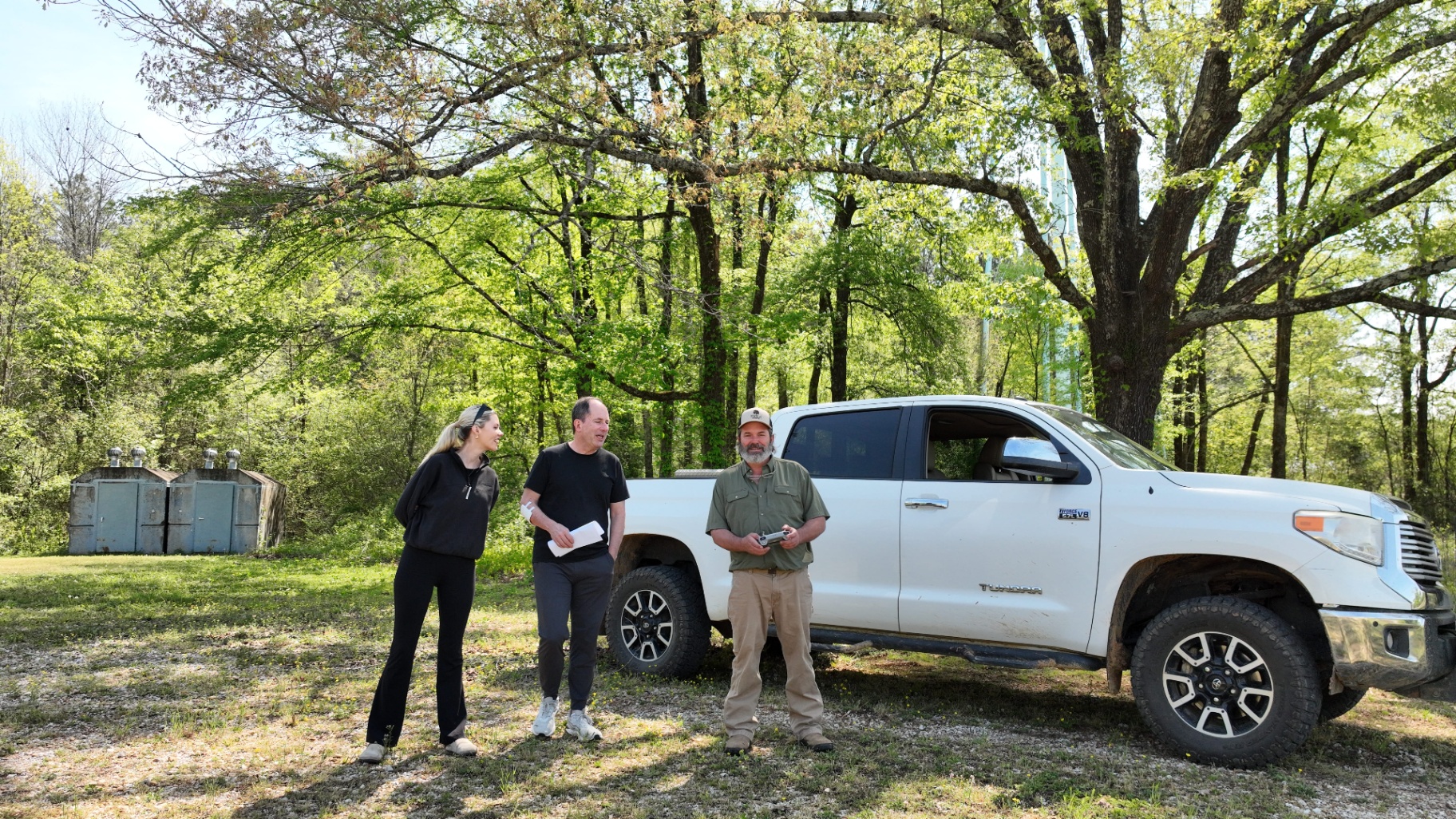
Before a single tree is measured, a consulting forester walks the tract with the landowner. The point isn't to look at the timber — it's to understand what the landowner wants the property to do, both now and after the harvest. A retirement check, a generational hold, a partial thin, full conversion to longleaf, a planned sale to fund estate taxes — every one of those goals changes the recommendation. The walk also surfaces the practical constraints: roads, gates, streamside zones, neighbor relationships, and any prior contracts or easements that have to be honored.
Step 2 — The timber cruise
The cruise is the foundation. Field crews lay out a statistically valid grid of fixed- or variable-radius plots across each stand, then measure every merchantable tree on each plot: species, DBH, merchantable height, and quality class. Those plot measurements get expanded to per-acre and total-tract volumes by product — pulpwood, chip-n-saw (CNS), pine sawtimber, poles where applicable, and hardwood sawlogs.
Cruise intensity matches the value at stake. A 40-acre first thinning may need a lighter cruise than a 300-acre mature pine stand carrying poles. Either way, the deliverable is a stand-by-stand volume table the buyers can underwrite — not an eyeball estimate. (See our deeper write-up on what a timber cruise actually measures.)
Step 3 — The prospectus and buyer list
Buyers don't bid on a property they can't evaluate. The prospectus packages everything they need: volume tables by product and stand, location maps, access details, deck and haul-road conditions, SMZ and BMP requirements, harvest window, payment terms, performance-bond requirements, and the contract the winning bidder will sign.
The buyer list is just as important. For a Mississippi tract, that usually means every regional pine pulpwood mill within haul, every chip-n-saw mill, every sawmill that takes the relevant grades, plus the independent producers and dealers who move wood between them. The package goes to every qualified buyer simultaneously — not to one favorite.
Step 4 — Inspection period
Most sales include an inspection period when bidders can walk the tract on their own. Buyers are typically given three working weeks to inspect and cruise the timber. They look at stocking, defect, slope, and access. They look at what their crews can actually pull out, given the season and the current contract book. By the time they sit down to write a number, every bidder has the same information.
Step 5 — Bid opening
Bids are submitted sealed, by the deadline, and opened together. The landowner sees the full spread — high to low — and chooses whether to accept the high bid. Sometimes the spread is modest. Often, on a well-marketed Mississippi tract, it is not: spreads of $20,000 to over $100,000 between the highest and lowest qualified bidder on a single tract are common. That spread is the cost of skipping competitive exposure.
Step 6 — Contract, performance bond, and harvest oversight
The winning bidder signs a written contract that protects the landowner on every dimension that matters: payment terms (usually pay-as-cut with scale tickets, or lump sum with proof of removal), harvest boundaries, SMZ and BMP compliance, road and gate restoration, weather-out clauses, and a performance bond that secures cleanup and damages.
Oversight doesn't end at the signature. The forester checks the harvest in progress, audits scale tickets against mill receipts, walks the closeout, and signs off on cleanup before the bond is released. (See our notes on 10 contract clauses that protect landowners.)
Why sealed bid almost always beats a phone call
The single-buyer phone call is fast, simple, and quietly expensive. The buyer who calls first is rarely the buyer who will pay the most — they're just the buyer who happens to need wood that week. Sealed bidding forces price discovery. It also forces the buyer to honor contract terms, because the next sale on the same forester's list is one phone call away and they want to be on it.
How long the whole process takes
From first walk-through to bid opening, most Mississippi tracts run 4–8 weeks. Cruise and prospectus are 2–4 weeks; the bid window is usually 2–3 weeks; closing and harvest scheduling adds another week or two. Storm or estate work that's time-sensitive can be moved faster.
What landowners should expect to pay
Independent consulting foresters representing landowners are typically compensated as a percentage of the gross sale or on a fee basis spelled out in writing before any work begins. The economics work because the same competitive process that pays the forester usually pays the landowner several times that amount in higher bids. It only fails to pay when the timber wasn't worth marketing competitively in the first place — and an honest forester will tell you that before you spend money on a cruise.
The takeaway
A sealed-bid sale is not complicated. It is, however, disciplined. A registered forester representing the landowner — not the mill — runs the discipline. The result is a price the open market actually agrees on, a contract that holds up, and a tract that's left in shape to grow the next stand.
If you're weighing a timber sale on a Mississippi tract, talk to a registered forester before you accept any offer. Even a 30-minute conversation usually pays for itself many times over.
Talk to a Registered Forester About Your Timber Sale
If you are weighing a sale on a Mississippi or Alabama tract, start with our Mississippi timber sales service page or contact Eric Entrekin, Registered Forester (MS & AL) for a tract-specific review.