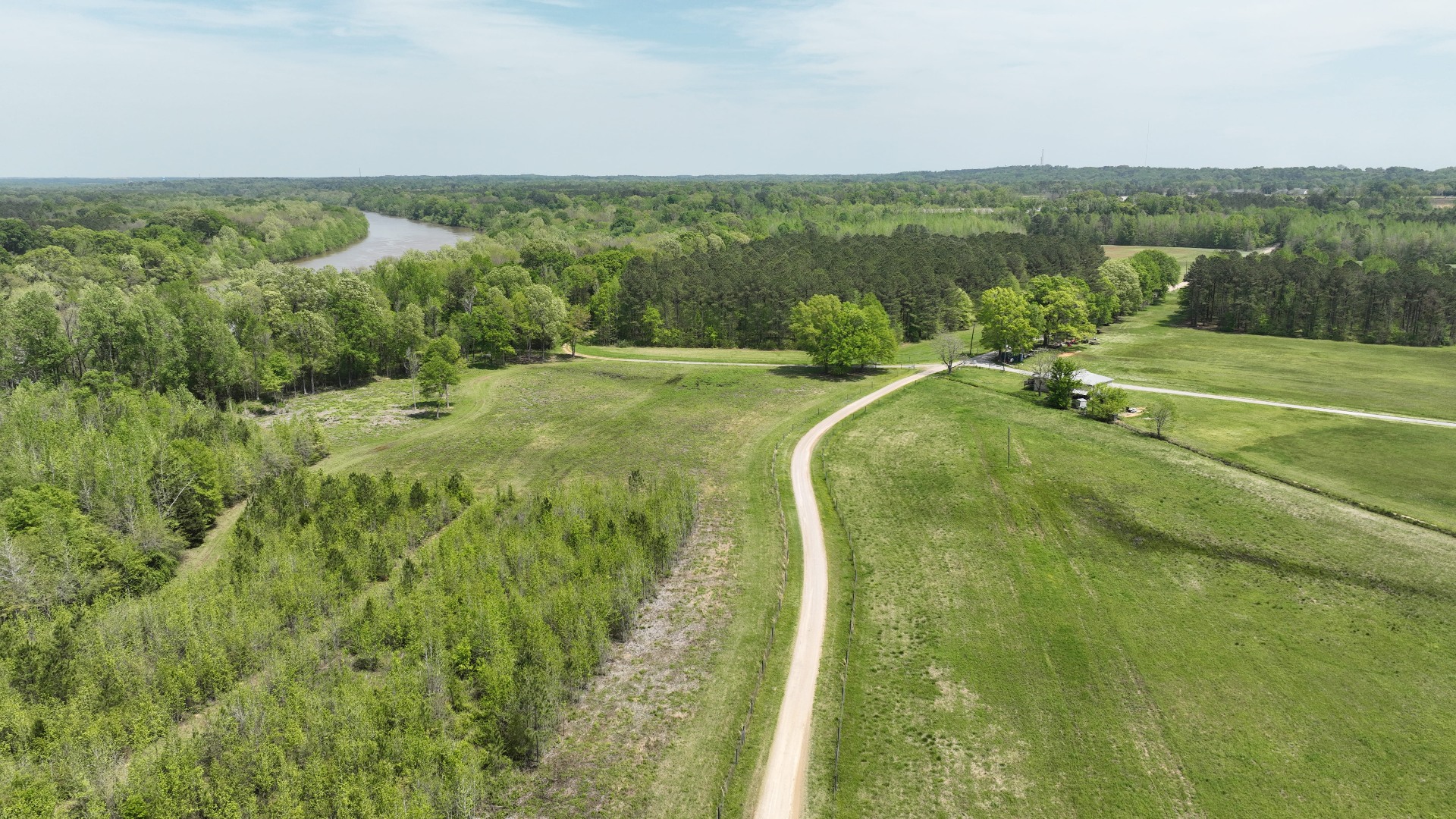
Perry County runs from steep pine hills in the north down onto Black Belt clay in the south. Many tracts around Marion include both, and the two halves behave nothing alike.
Southeast Forestlands works only for the landowner. We do not buy timber and we are not paid by mills.
Pine on the Hills
Forest inventory estimates put loblolly and shortleaf at about half the forest land here, mostly on steep Luverne and Smithdale complexes.
Soil survey mapping puts nearly a hundred thousand acres in a single complex at fifteen to thirty-five percent slope.
Clay on the South End
Vaiden clay and similar Black Belt soils sit in the southern part of the county.
That clay swells when wet and shrinks when dry. It is poor pine ground and it will stop a loaded truck cold.
One Tract, Two Behaviors
A tract with both pine slope and clay flat has two different operating seasons.
Log the slopes when the flats are too wet. That single decision prevents most of the damage disputes we see.
Wet Bottoms
Mantachie, Kinston, and Iuka soils along the creeks flood frequently.
They grow hardwood, not pine, and they should be left to do it.
Getting the Pine Right
On the good slopes loblolly grows well and gets crowded. Thinning on time keeps growth going into the trees you intend to keep.
Measure before you decide. Age alone does not tell you enough.
Nearby Counties
We also work with landowners in nearby counties, including Bibb (AL), Hale (AL), Dallas (AL), and Marengo (AL).
General Guidance
For more on how we handle each part of the work, start with these guides:
- What a timber cruise measures
- How a sealed-bid timber sale works
- How we sell timber
- Wet-weather logging and BMPs
- Thinning decisions
- Regeneration and replanting
- All forestry services
Talk It Over First
Talk with a forester before deciding anything. Contact us to discuss your goals; the first review of your property generally happens online.