
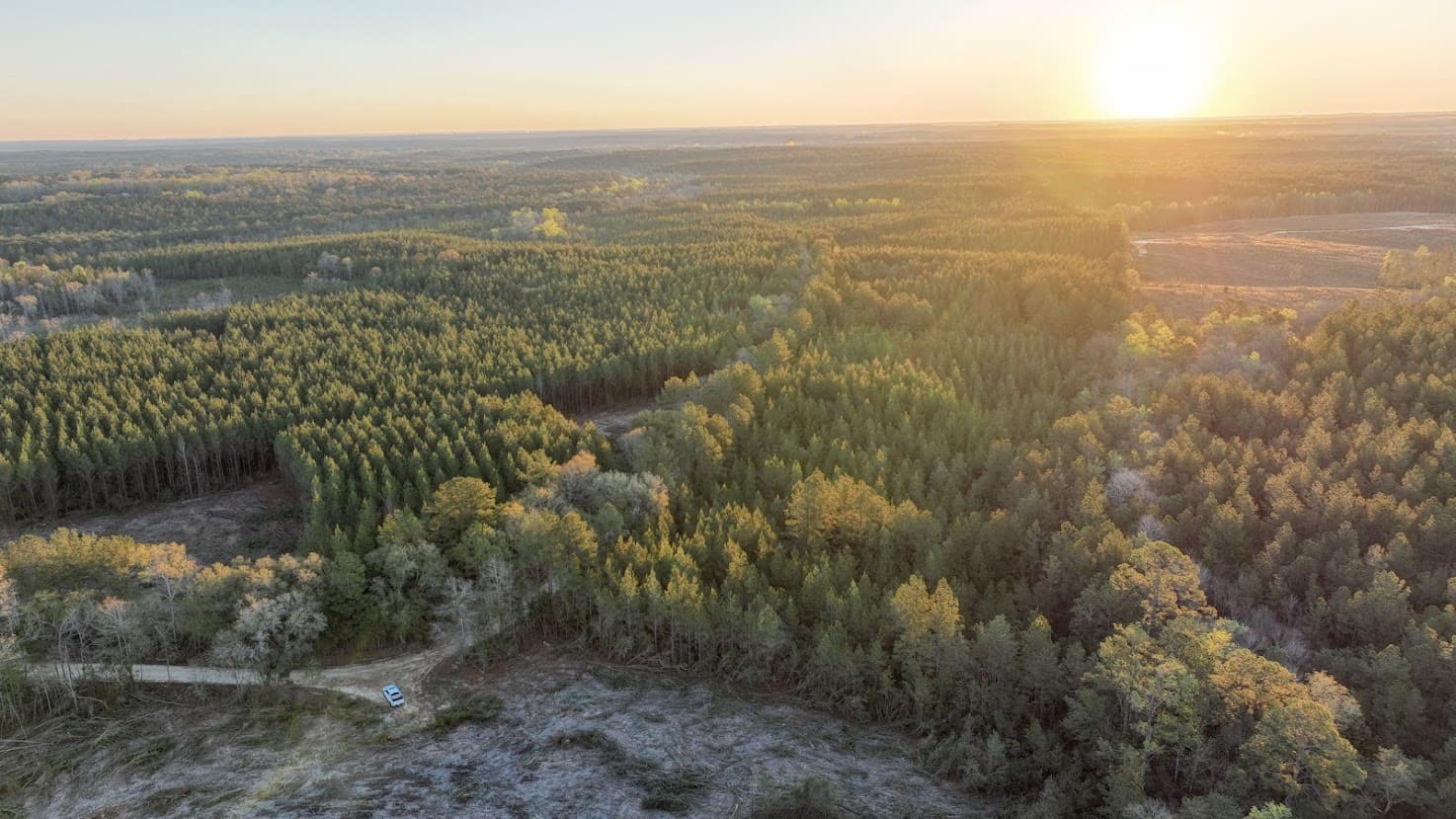
Wet-weather logging is where many otherwise-good timber sales go bad. The cruise was honest. The bid was strong. The contract looked complete. And then a wet February turned the harvest into a rutted mess that costs years of recovery — and that the landowner never had a contractual tool to stop.
This Field Note covers the practical thresholds for wet-weather logging damage on Mississippi and Alabama tracts, the BMPs that apply, and — most importantly — the contract clauses that actually give the landowner authority to shut down a crew when conditions exceed limits.
What Wet-Weather Damage Actually Costs
Soil rutting is not just a cosmetic problem. Continuous deep ruts:
- Compact and shear root systems, killing residual trees in thinnings for years afterward.
- Channel water, creating gully erosion that delivers sediment to streams.
- Compact the soil profile, reducing infiltration and changing seedling establishment for the next rotation.
- Destroy forest roads and skid trails that will not heal back without re-shaping and re-grading.
- Trigger BMP violations that can affect cost-share eligibility, certification status, and the silvicultural exemption from Clean Water Act NPDES requirements.
The Practical Rutting Threshold
Mississippi BMPs and Alabama BMPs use slightly different language but converge on the same operating reality: ruts that are continuous, deep, and connected to drainage features are a water-quality problem. Working thresholds we use on the ground:
- Up to ~4 inch rut depth over scattered area: Normal operating wear; no action.
- 4–6 inch ruts over modest portions of the harvest area: Watch closely; communicate with the crew on weather and traffic patterns.
- Ruts over 6 inches over more than ~10% of the harvest area: Suspend operations and reassess.
- Tire-buried or sustained tracking ruts: Immediate shutdown.
These are practical site-level triggers, not the only standard. The state BMP manuals are the controlling published reference. A registered forester reads them in context for the specific site.
The Contract Clauses That Actually Work
The default Mississippi or Alabama timber contract — the one a buyer brings with them — almost never gives the landowner real authority to shut down a wet-weather operation. The clauses that do work, added to the contract before signing:
Suspension Authority
Explicit language giving the landowner or the landowner's designated forester the right to suspend operations when on-the-ground conditions exceed a defined rutting or soil-condition threshold. Without this clause, the buyer's crew foreman makes the call.
Defined Threshold
A written, measurable threshold — for example, "operations shall suspend when continuous ruts exceeding six inches in depth occur over more than ten percent of the active harvest area" — so the suspension call is not subjective.
Performance Bond
A bond sized to cover potential rut and road repair, held until final inspection. The bond is what gives the landowner real leverage if repairs are needed and the contractor moves slowly.
Restoration Standard
Language describing the standard the tract will be returned to: ruts smoothed, skid trails seeded per BMP, roads regraded and re-graveled where applicable, water bars installed on retired skids. Without a restoration standard, "cleanup" is whatever the crew is willing to do.
Final Inspection and Punch List
The contract requires a final inspection by the landowner's forester, a written punch list, and a defined cure period before the performance bond releases. This is the single most useful enforcement mechanism in a Mississippi or Alabama timber contract.
These clauses are a subset of the standard package summarized in timber contract clauses that protect landowners.
Real-World Pattern
A common scenario: a thinning sale set up in late fall closes on a Friday, and the crew moves equipment in the following Monday. A wet front rolls through the next week. The crew works through it because they have miles to make and the contract has no shutdown clause. By Friday, half the harvest area has deep tracking ruts, the residual stand is showing root damage on every skid edge, and the main spur road has rutted past the gravel base. The cleanup language in the contract reads "leave the tract in reasonably good condition." Nothing in that phrase is enforceable. The landowner ends up paying for road repair themselves and watching residual mortality climb across the thinning over the next two years.
The fix is not in cleanup. The fix is the suspension clause that would have stopped the crew on Wednesday.
Where Wet-Weather Risk Is Highest
Heavy clay soils across Wayne, Clarke, Greene, Lowndes, and the Black Belt of Mississippi and Alabama hold water and rut faster than the sandy loams of the central Pine Belt. Bottomland tracts in any county can become unloggable within hours of significant rain. Winter and spring sales in these soils need wet-weather clauses by default, not as an option.
The Forester's Role on Site
Contract authority means nothing if no one is on the tract to use it. A landowner-side forester walking the active harvest weekly — and more often during wet stretches — is the person who actually triggers the suspension clause when conditions warrant it. That on-the-ground oversight is part of the sale-management work covered under our Mississippi timber sales service.
The Right Time to Talk About Weather
The right time to talk about wet-weather logging is before signing the contract, not during the first wet week of the harvest. Sale prep — cruise, prospectus, contract drafting — is when these clauses get written in. Once a contract is executed without them, the only options are negotiation with the buyer (rarely successful in real time) or accepting whatever damage occurs. Help building a contract that survives a wet winter is part of our consulting forester work.