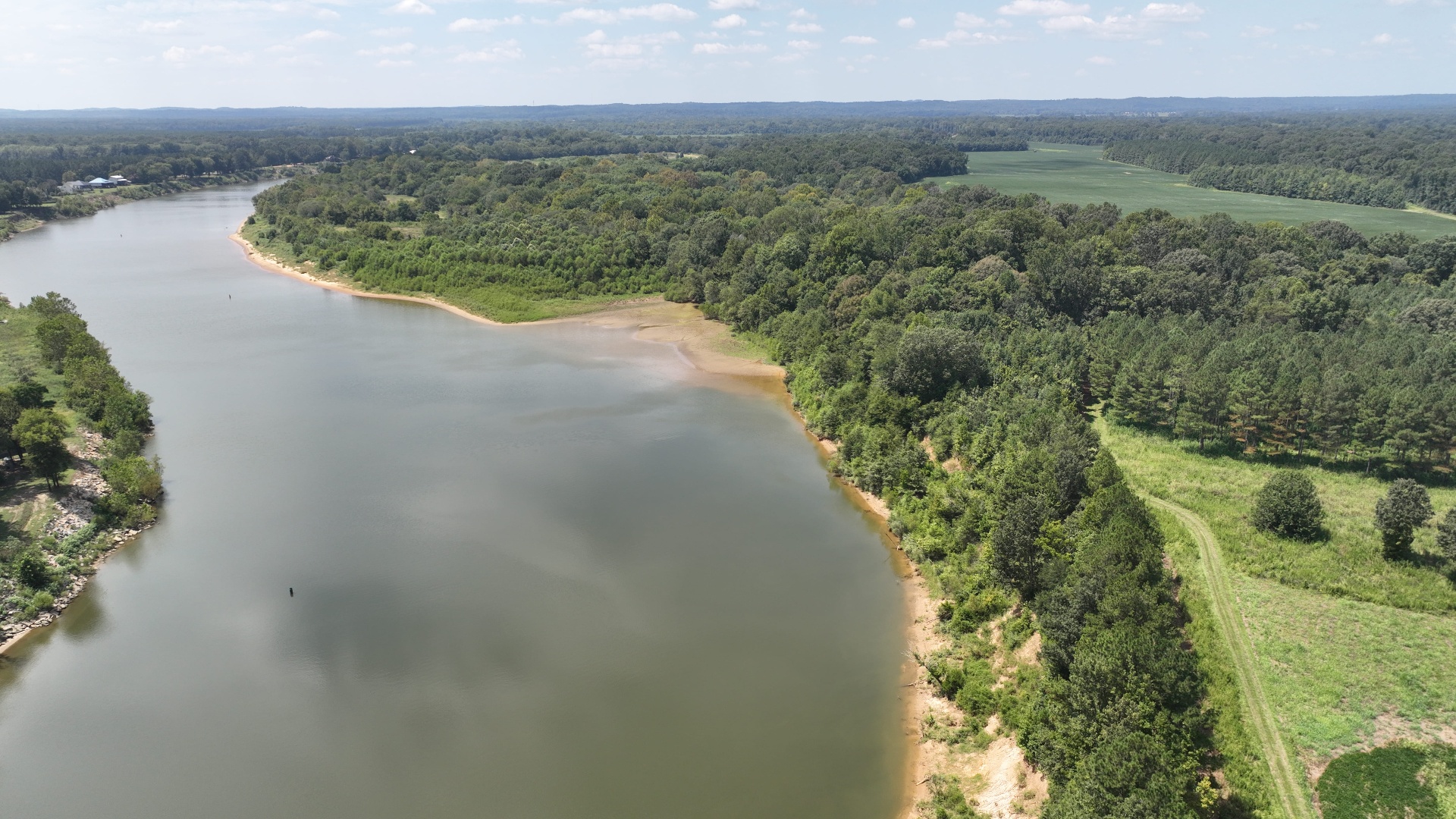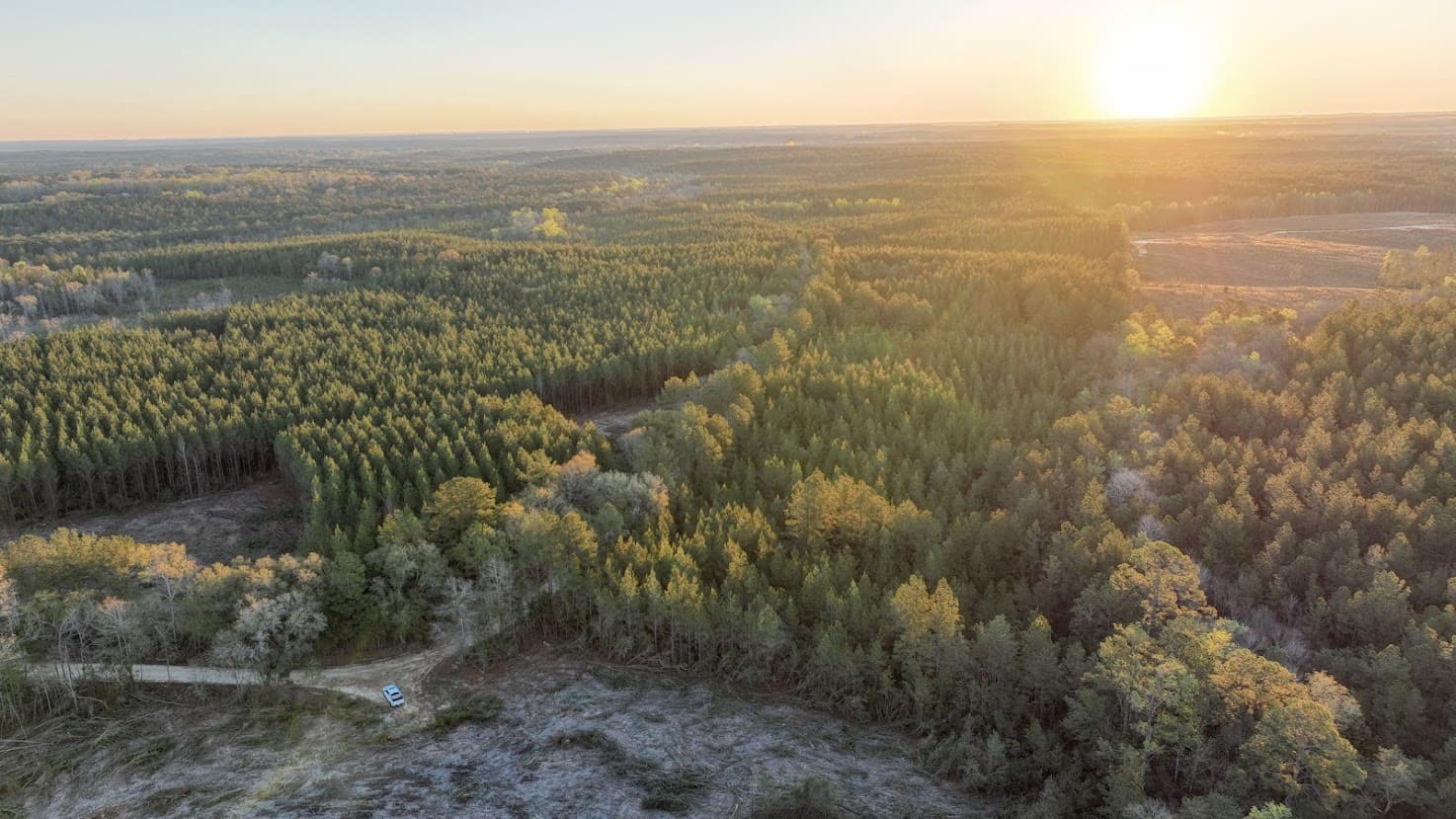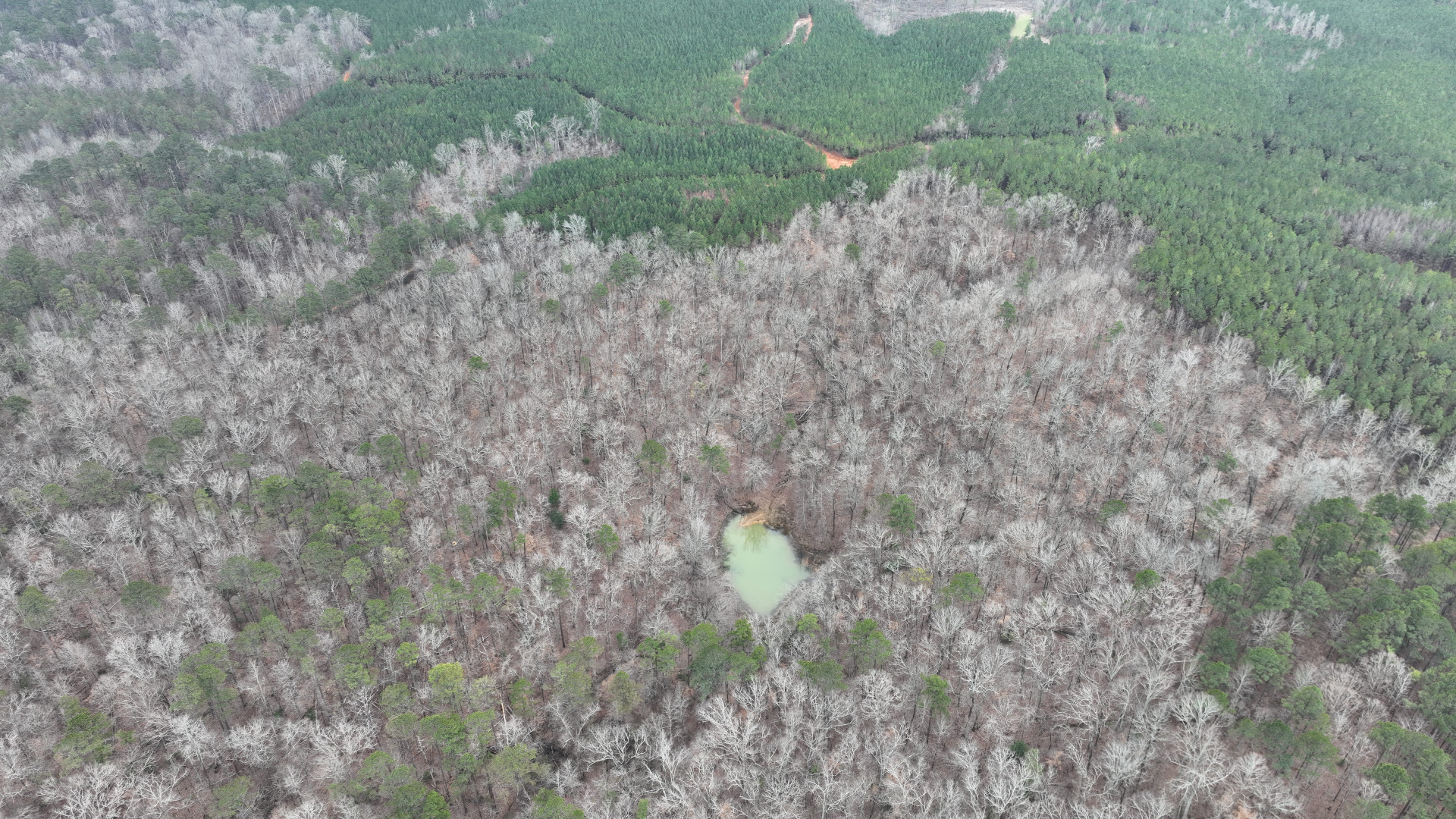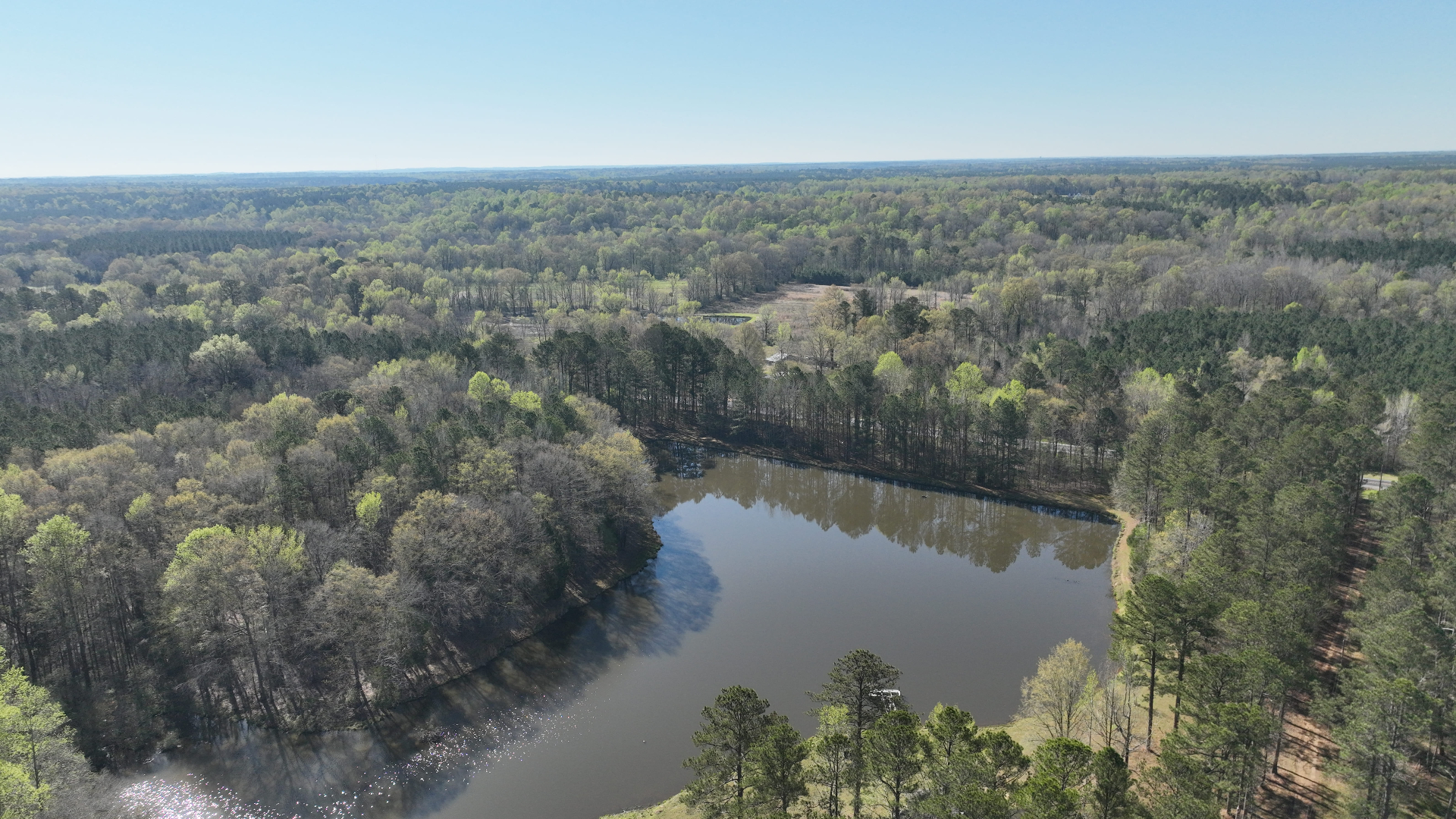
Getting the facts on the ground when timber has been cut, damaged, or removed.
If timber has been cut across a line, damaged during construction, pushed out for access, burned, storm-damaged, or removed without clear permission, the first step is getting the facts organized on the ground. Southeast Forestlands provides field-based forestry documentation and appraisal support so landowners have organized information to work from when talking with attorneys, insurers, neighbors, contractors, or other parties.
Why Timber Damage Situations Are Different
Timber damage situations are different from normal timber sales. The question is not just what the timber might sell for. The question is what was damaged, what was removed, what evidence remains, and how the loss can be documented.
A standard timber appraisal estimates value for a planned decision — a sale, an estate, a management plan. A trespass or damage appraisal works backward from a disturbed site to document what was on the ground, what is now missing or damaged, and what that loss represents in measurable forestry terms.
Situations We Help Document
- Suspected timber trespass
- Boundary-line cutting
- Trees cut or damaged across a property line
- Logging damage outside the sale area
- Construction or utility damage to timber
- Storm or fire-damaged timber
- Right-of-way or access-related timber loss
- Timber damage tied to estate, ownership, or property disputes
What the Field Work May Include
Every assignment is scoped to the situation. Depending on what the site needs and what the landowner is trying to document, field work may include:
- Site visit and field inspection
- Boundary and damage-area review
- Stump counts where appropriate
- Species and product notes
- Timber volume estimates when supportable
- Photographs and field documentation
- Mapping or drone mapping or property inspection when useful
- Appraisal or value opinion based on the assignment
- Written summary or report when needed
What We Do Not Do
Southeast Forestlands is not a law firm and does not provide legal advice. We do not determine liability and do not represent clients in court as an attorney. Our role is forestry documentation, appraisal support, and field-based analysis so landowners have organized information for discussions with attorneys, insurers, neighbors, contractors, or other parties.
Why Timing Matters
The sooner the site is reviewed, the better. Stumps decay, tops get moved, roads change, weather affects evidence, and memories fade. If damage is suspected, document the site before cleanup or additional work changes what is there to measure.
That is also why this work usually sits alongside broader forestry consulting — the same field experience that goes into a routine cruise or management plan is what makes a damage assessment defensible.
Related Reading
For a real-world example of how a boundary cutting situation can be documented in the field, see the timber trespass case study. Additional examples are collected in our forestry case studies.
If a sale comes up after the damage situation is resolved, the same forester can carry the file forward into timber sale representation so the tract is marketed cleanly the next time it goes to market.