
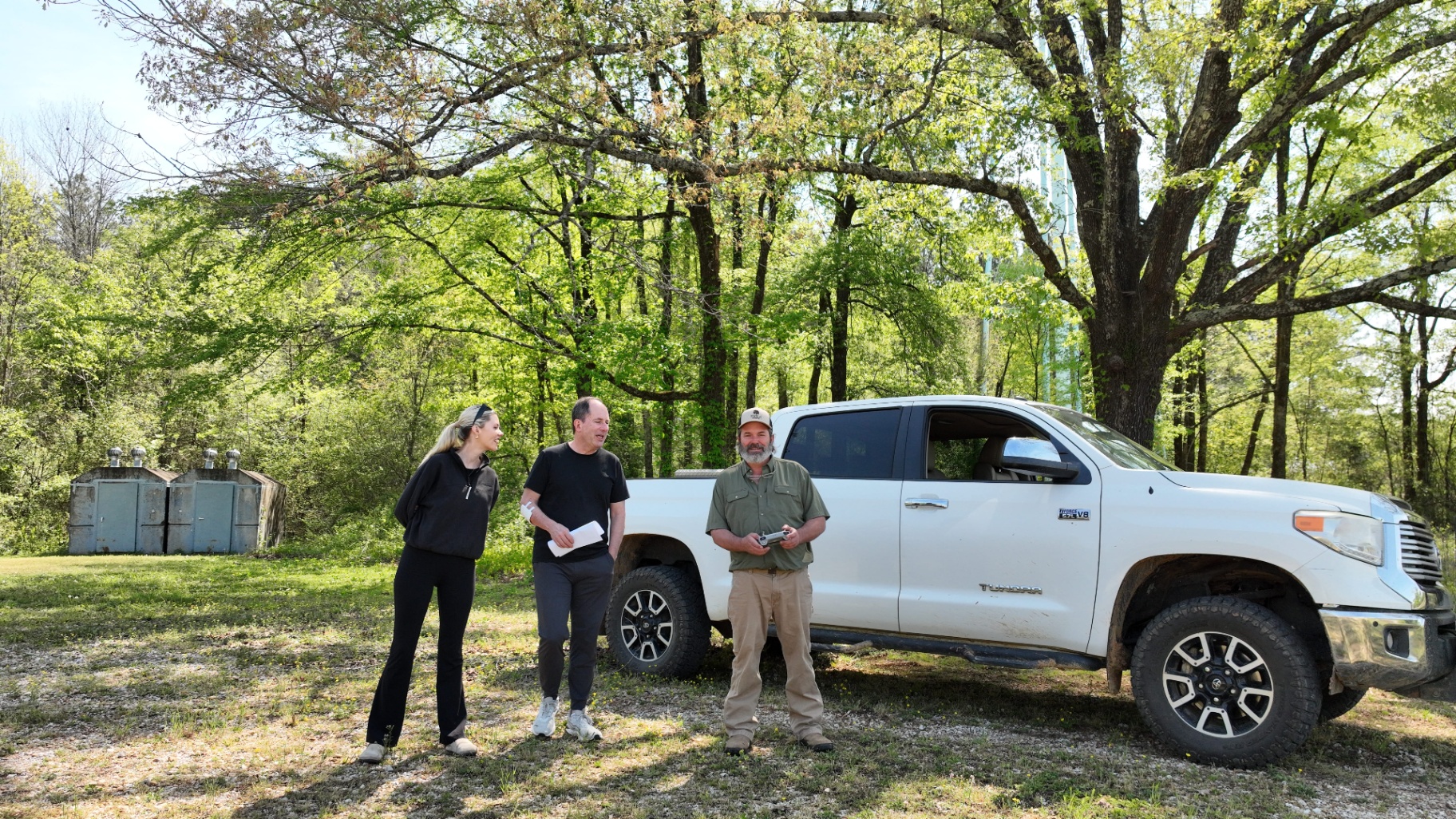
Jefferson County sits in the loess hills of southwest Mississippi, between Natchez and Vicksburg. Timber here trades differently depending on which side of the county a tract sits on: Mississippi River-side ground near Fayette often runs to hardwood and mixed stands on steep loess ridges, while other parts of the county carry more loblolly plantation and natural pine.
Work with Jefferson County landowners often centers on cruises, sale layout, and longer-range management planning. Volume commonly moves into mills around Natchez, Brookhaven, and Monticello — and the practical haul direction on any given tract can meaningfully change a sealed-bid sheet when the sale is designed to invite competition rather than accept the first walk-up offer.
Clear Guidance for Landowners Managing Timber & Forestland Decisions
Owning timberland in Jefferson County is a long-term investment, and most landowners don't struggle for lack of timber — they struggle because the consequences of a wrong decision can feel permanent.
Timber decisions often shape:
- Future stand growth
- Access and road systems
- Soil condition, especially on loess
- Wildlife habitat
- Long-term land usability
- Family and generational value
Too often those decisions get triggered by outside pressure — unsolicited offers, informal pricing opinions, or urgency that is not grounded in a real analysis. That is one way long-term value can quietly be lost, and it is where independent guidance may help most.
The role of a consulting forester is generally to help a Jefferson County landowner slow the process down, understand real options, and protect long-term value before decisions are locked in.
Loess-Ridge Access and Erosion on Jefferson Tracts
The loess hills that run through Jefferson County generally favor careful planning. Loess erodes aggressively when disturbed, and steep loess ridges can respond quickly to poorly placed skid trails or road grades that ignore the contour. A harvest laid out on paper may look straightforward, but the on-the-ground read — how a skid trail sheds water, where a road crosses a draw, where a landing can sit without gullying — often determines how the property looks a year after the sale closes.
On steep-ground tracts, contract terms may include contour skidding requirements, heavier water bars, seasonal restrictions, and post-harvest inspection language. A standard flatland contract is generally not enough on Jefferson loess ground.
Bottomland Hardwood in the Coles Creek and River Backwater Zones
Jefferson bottomland hardwood along the Mississippi River backwaters and Coles Creek can carry stems that pull separate, more selective hardwood buyers — but only when those stems are cruised, graded, and marketed as their own product class. Where hardwood is lumped with pine into a single lump-sum offering, quality bottomland material may be priced closer to gum-grade pulp than to its actual sawlog value.
The read on operability also differs. Bottomland stands often have narrower haul windows, tighter SMZ requirements, and buyers who specialize in the product rather than in general pulp and CNS.
Access, Operability, and Seasonal Windows
Access on a Jefferson tract can change significantly with rainfall. Loess soils that log well through a dry fall may become impassable after a wet week, and buyers generally price that risk into a bid. On steep-ground tracts, a sale marketed for a summer or early-fall dry-down window may draw stronger competition than the same stand marketed for a wet-winter close. Where the tract carries both ridge pine and bottomland hardwood, splitting the harvest window between product classes may produce a cleaner operational result than trying to move everything in one pass.
Example forestry scenario for local landowners. Consider a hypothetical mixed pine-and-hardwood tract on the western side of Jefferson County. A verbal offer that treated the entire stand as pulpwood would likely leave sawtimber-class hardwood and chip-n-saw pine underpriced. A measured cruise that separated products by class and a sealed-bid sale invited to mills toward Natchez, Brookhaven, and Monticello would generally allow the high bid to reflect the actual product mix rather than the lowest common class.
Sale Layout and Sealed-Bid Marketing
A Jefferson County timber sale generally starts long before a buyer is involved. It starts with an understanding of what the timber is carrying, whether the stand is biologically and financially ready, and how a harvest may affect the ground afterward.
Typical steps on a Jefferson tract may include:
- On-site timber evaluation and readiness analysis
- Professional cruise and fair-market valuation
- Competitive buyer exposure through a sealed-bid process
- Sale-structure planning — sealed bid or negotiated, depending on the stand
- Seller-protective contract review
- Active harvest oversight
Instead of reacting to pressure or guessing on value, a landowner may move forward with clearer structure and a documented basis for the decision.
Forestry Management and Long-Term Planning
Not every landowner should be selling — and in many cases, holding may be the sounder decision. Forestry management planning in Jefferson County can include timber stand improvement, vegetation management, prescribed burning coordination, reforestation and regeneration planning, wildlife habitat development, and access planning tied to future harvest scheduling.
Plans are generally built around landowner goals — income, conservation, recreation, or generational ownership — rather than one-size-fits-all prescriptions.
Regional Market Context
Timber markets and harvest logistics in southwest Mississippi generally do not stop at county lines. Buyer competition, haul corridors, and mill demand often overlap into neighboring areas, and reviewing regional context can help protect value. Ownerships that share market influence with nearby ground may benefit from a look at Franklin County as part of the same conversation.
Guidance Before Decisions
Many Jefferson County landowners are first-time sellers or families managing inherited ground. They are usually not looking for pressure — they are looking for someone to walk the property and explain what is there in plain numbers.
If you are thinking about selling timber or want a straight read on managing forestland in Jefferson County, Mississippi, the first step is generally a conversation. Contact Southeast Forestlands to talk through your land, your goals, and your options.

