
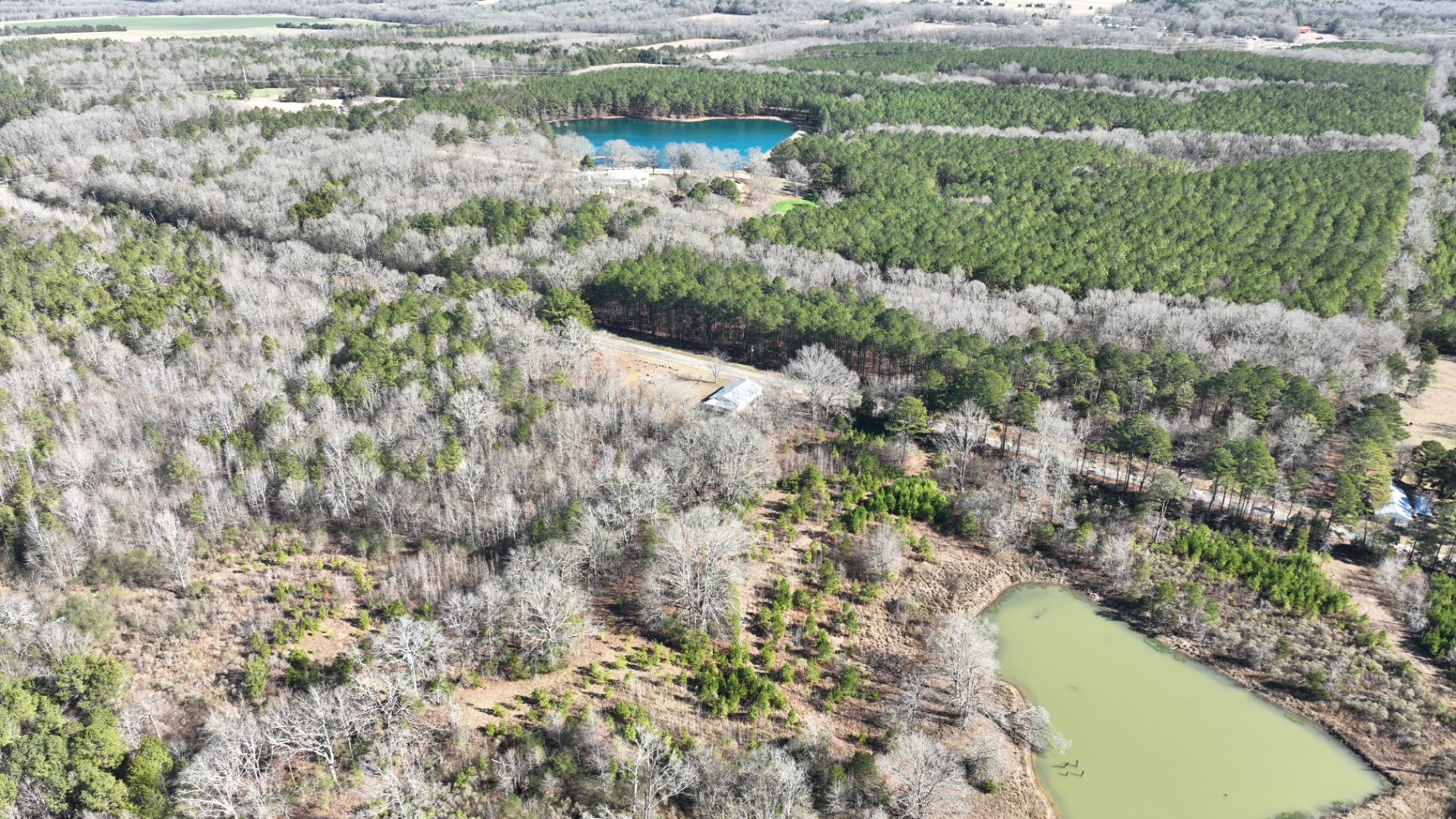
Inheriting timberland is rarely the relief people expect. Most new owners discover that the property hasn't been actively managed in years, that the deed has questions, that someone has been hunting it without permission, and that two timber buyers have already called. The first 30 days set the tone for the next 30 years — or for an avoidable mistake that costs the family real money.
This is the order of operations a registered forester would walk a new owner through.
Week 1 — Stop, don't sign
The single most expensive thing a new heir can do in the first week is sign anything. No timber sale, no hunting lease, no boundary agreement, no pipeline easement, no offer to purchase. Most of those documents are not bad — but none of them are urgent, and almost all of them get better with a forester's review. Take the calls, take notes, and tell every caller you'll be in touch after the estate is sorted.
This is also the week to find the deed, the most recent survey if one exists, and any prior management plan, cruise, or timber sale contract. The probate attorney, the title file, and the county tax office are the three places those documents live.
Week 2 — Confirm title and basis
Two questions decide what the family can do with the property: who owns it, and what is it worth on the date of death? Title work — heirship, partition, deed corrections, or trust transfer — usually runs through the probate attorney, not the forester. But the forester is the person who answers the basis question.
Under federal tax law, inherited timberland generally gets a stepped-up basis equal to the fair market value of the land and timber on the date of death. That step-up shelters most of the appreciation that accumulated during the prior owner's lifetime from capital gains tax when (or if) the property or its timber is later sold. To use it, the family needs a defensible appraisal of both the land and the standing timber as of the date of death. The longer the family waits, the harder that appraisal is to support. (More on the mechanics in our note on stepped-up basis.)
Week 3 — Walk the property
By week three, the new owner should walk the tract with a registered forester. The walk answers questions no document can:
- Are the boundaries still findable, or have they been lost to natural growth and neighbor encroachment?
- What's the current stand condition — thinned, overstocked, storm-damaged, regenerating, recently cut?
- Is there evidence of recent harvest or trespass that the family wasn't told about?
- What's the access — gates, roads, easements, neighbor-shared crossings?
- Are there active contracts — hunting leases, mineral leases, easements, pending timber sales — that have to be honored or renegotiated?
The walk should produce a short written summary the family can use to decide what's urgent and what's not.
Week 4 — Decide the next 12 months
By the end of the first month, the new owner should have answers to the questions that drive everything else:
- Hold or sell? If selling, do you want to sell the timber separately first and then the land, or sell the land with the timber on it? The answer is rarely "either is fine" — the tax and cash-flow differences are significant.
- Re-establish boundaries? If the lines are lost, a survey or boundary line reestablishment now prevents a much bigger problem at the next harvest.
- Get a management plan? Almost always yes. A written forestry management plan takes a generation of "we always did it this way" assumptions off the table and gives the family a documented roadmap.
- Address any active harvest? If a sale or harvest is in progress, the family needs to know whether the contract is current, whether payments are flowing correctly, and whether the operation is following SMZs and BMPs.
Common mistakes new heirs make in the first 30 days
- Selling timber to the first buyer who calls. The first call is almost never the highest price. A competitive sealed-bid sale typically delivers a materially higher number, on better contract terms.
- Skipping the date-of-death appraisal. Stepped-up basis only protects what can be documented. Years later, reconstructing that number is expensive and often disputed.
- Renewing a hunting lease on the old terms. Most inherited leases were written 10–20 years ago at rates that no longer make sense. Renegotiate at market.
- Splitting the property too soon. Partitioning timberland among siblings before getting professional advice often locks in tax and management consequences that are hard to undo.
The takeaway
The first 30 days after inheriting timberland are about three things: don't sign anything yet, document the value as of the date of death, and walk the land with someone who works for the family rather than for a buyer. The decisions that follow are the family's to make — but they should be made on a foundation of facts, not phone calls.
If you've recently inherited timberland in Mississippi or Alabama, talk to a registered forester before you commit to any sale, lease, or partition. The first conversation is free, and it usually saves the family more than the entire cost of the relationship that follows.