
Southeast Forestlands logoSoutheastForestlands
County Coverage

George County, MS Timber Sales & Forestry Consulting

Independent consulting foresters representing landowners in George County, MS — sealed-bid timber sales, management plans, and appraisals. We work for you, not the mill.

"Working with Eric helped us qualify our land as agricultural for property taxes. He cleared timber in a friendly way that pleased our neighbors, built a road into the property, and kept us apprised of every item in a timely fashion."
— Joy Gardberg (Darby Family Trust) · 6 years ago · Google review
"Can't say enough good things about Southeast Forestlands. Even though my parcel wasn't a fit, Eric sent info and numbers of someone who could help. He took the time to inform me of common practice for clearing and harvesting timber."
— Saint Jones · 5 years ago · Google review
  • Registered Forester — MS & AL
  • Independent Landowner Representation
  • USDA Technical Service Provider (TSP #20-23350)
  • Sealed-Bid Timber Sale Representation
  • Serving Mississippi & Alabama Landowners

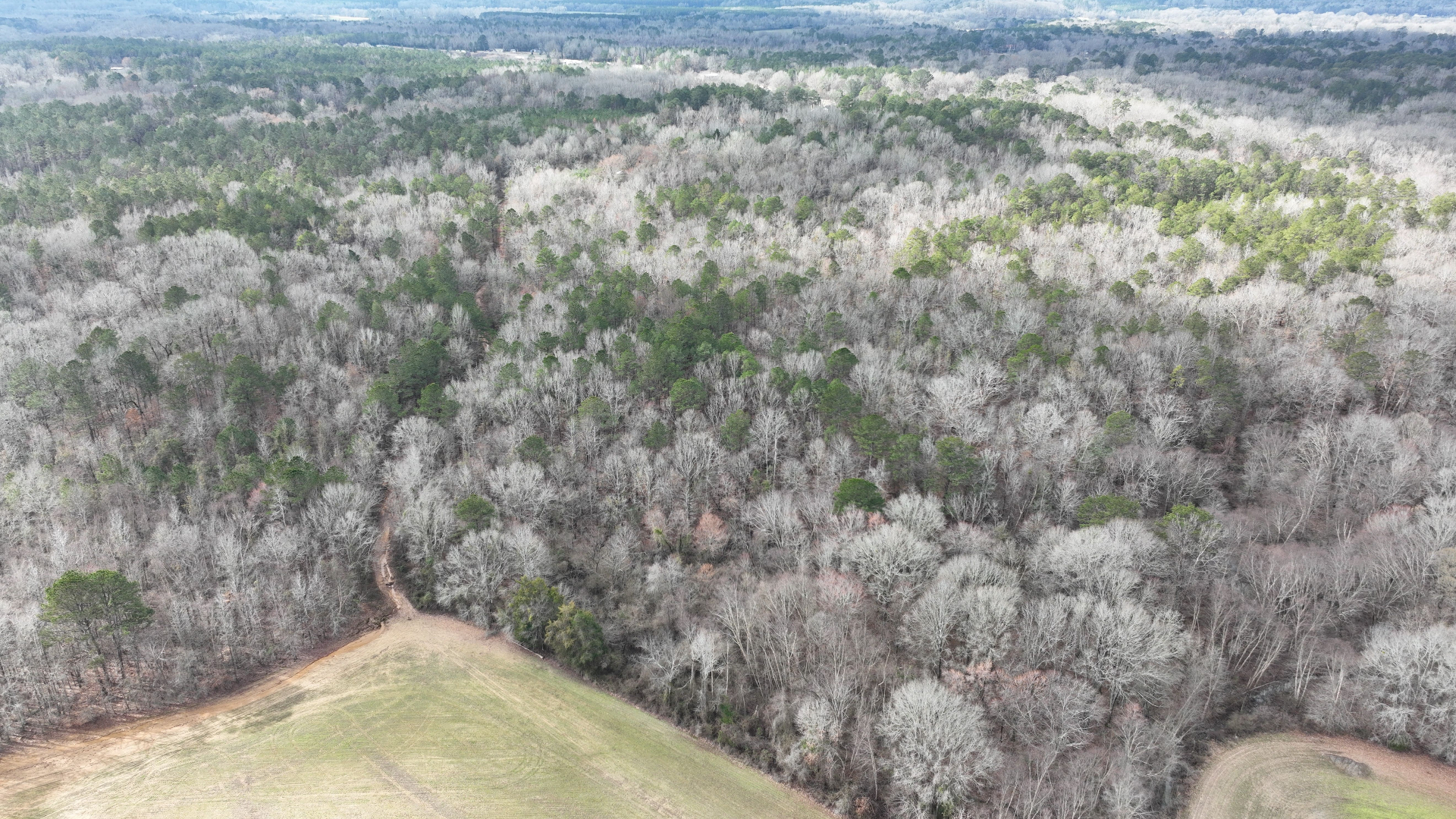
George County is in the southeast corner of Mississippi, on the Alabama line. Ground near the Pascagoula River bottom floods and stays wet into spring. The sandy uplands drain better.

Southeast Forestlands works only for the landowner. We do not buy timber and we are not paid by mills.


River Bottom and Sandy Upland

Bottomland and sandy flatwoods require different management. Bottom ground grows heavy hardwood and holds water.

The uplands drain faster and carry most of the planted pine.


Plan the Wet Ground First

On low ground, the calendar does not decide the work. The weather does.

Settle ahead of time what happens when it rains for a week. A written stop-work rule keeps a wet spell from turning into a rutted mess.

Mark stream crossings on a map before logging starts. Where they land usually sets the whole road plan.


Know What You Have

A timber cruise should tally species and product classes separately across planted pine, older pine, and bottomland hardwood.

Bottom hardwood does not sell like pine and should not be offered as if it does.


Access and Lines

Check the way in during wet weather if you get the chance. That is when the weak spot shows.

Have the boundary run before any timber is marked. Boundary corners in bottomland may be difficult to locate.


What Comes Back Next

On the sandy upland, pine goes back in and does well. In the bottom, leaving it to restock itself is a decision, and it needs a look at the seed trees and the young stems first.

Seedlings unsuited to wet ground may grow poorly or fail to establish.


Room to Work

A loading spot needs firm, high ground and room for a truck to turn. On a tract like this, those places are limited.

Picking them ahead of time keeps the damage in one corner instead of spread over the whole place.


Nearby Counties

We also work with landowners in nearby counties, including Greene, Perry, Stone, Jackson, Mobile (AL), and Washington (AL).


General Guidance

For more on how we handle each part of the work, start with these guides:


Talk It Over First

Talk with a forester before deciding anything. Contact us to discuss your goals; the first review of your property generally happens online.

Common questions

Common Questions From George County, MS Timberland Owners

Volume first, then price. The cruise establishes how much of each product is standing — chip-n-saw, sawtimber, hardwood by grade, and poles where they exist. The timber appraisal applies current product values and accounts for what the access and haul will cost. Quality and operability shift the result as much as volume does.

George County tracts are typically planted loblolly and remnant longleaf on sandy ridges, with rich cypress-tupelo and bottomland hardwood along the Pascagoula and Chickasawhay. Day to day the work is cruising, laying out thinnings, marketing a sealed-bid sale, watching the harvest, and writing a forest management plan so the next decision is not made from scratch.

No. Closeout means inspecting BMP compliance, roads, and log decks, then setting up what comes next: reforestation, a first-year herbicide release, and in time timber stand improvement and prescribed burning.

A day or two of fieldwork on most tracts, longer on big or broken ground, then a few days to run the numbers and write it up. Plot count depends on how variable the stand is, not on a fixed rate per acre.

Yes. George County is in the southeast Mississippi coastal Pine Belt along the Pascagoula River basin, and we also work with landowners in Greene, Perry, Stone, Jackson, Mobile (AL), and Washington (AL). Our first look at a tract generally happens online, and on-site work requires a signed Forestry Services Agreement. Field dates depend on current fieldwork, tract location, weather, and access.

What Is Pine Decline? — Field Video

Nearby markets

Nearby counties and timber markets

Timber buyers, mill access, and haul economics often cross county lines. These nearby counties are part of the broader area where we represent landowners.

Mississippi coverage

Part of our Mississippi forestry coverage

View every Mississippi county we represent, browse the services most requested by Mississippi landowners, or read the overview of how we work across the state.

Serving George County, MS

Request a Timber Sale Review in George County, MS.

MS / AL Registered Forester #2175

Whether you have ten acres or ten thousand, our team works for the landowner — never the mill. Based in Meridian, MS and serving timberland across Mississippi and western Alabama.