Covington County sits in the middle of some of the strongest pine markets in south Mississippi. Timber moves from tracts here toward the Hattiesburg and Laurel mill cluster, and when a tract is laid out right, that competition tends to show up on the bid sheet.
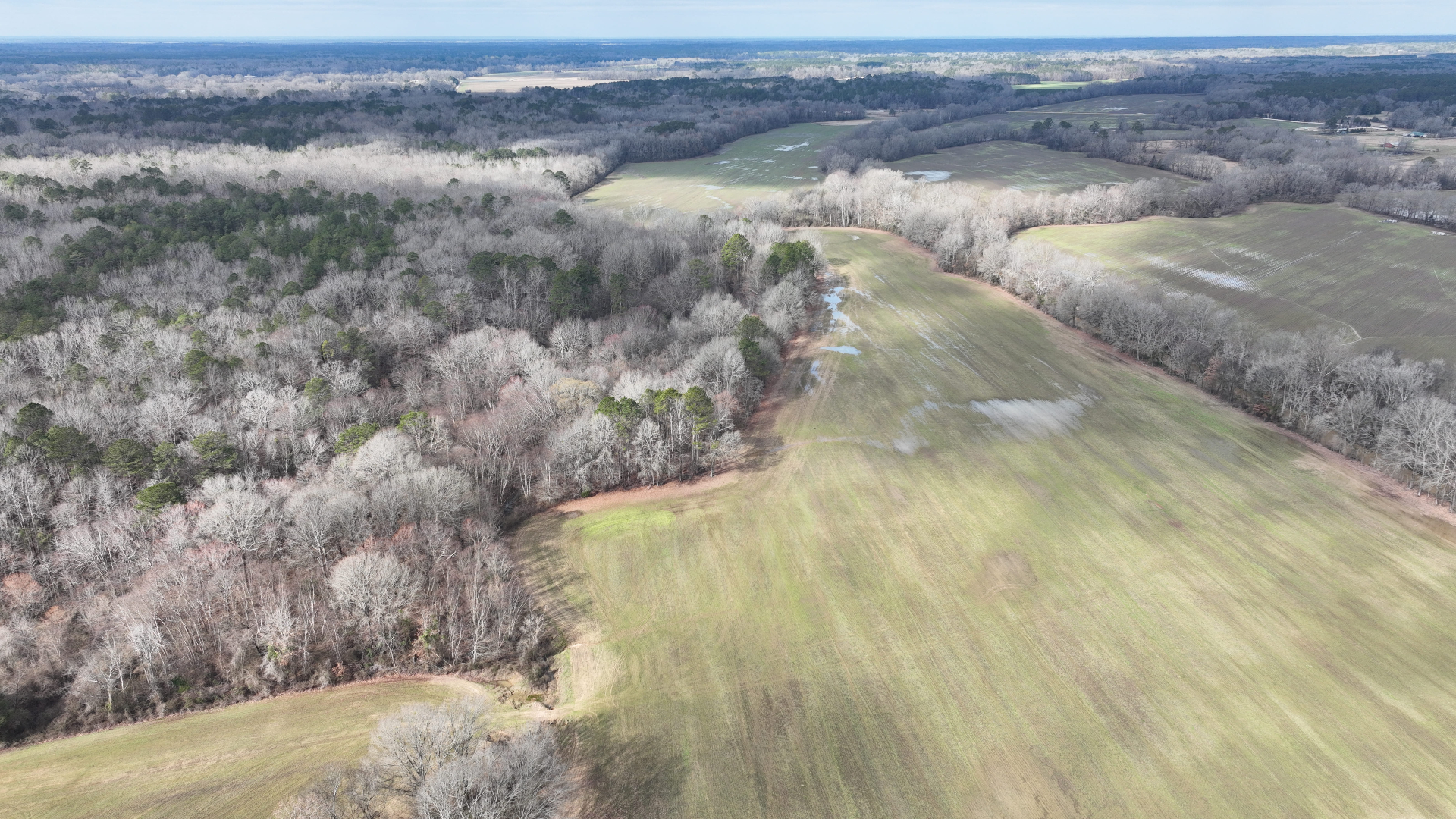
I work with Covington landowners around Collins, Mt. Olive, and Seminary on cruises, sale structuring, and management planning. Most tracts here are loblolly plantation with hardwood drains feeding the Leaf and Okatoma, and the practical question on most of them is whether the next move is a thinning, a final harvest, or a longer hold for sawtimber.
Why Forestry Expertise Matters in Covington County
Covington County includes productive pine plantations, mixed hardwood stands, rolling terrain, and sensitive streamside management zones (SMZs). No two properties are alike, and timing matters.
Without professional guidance, landowners can:
- Cut timber too early or too late
- Accept offers that undervalue their timber
- Sign contracts that fail to protect their land
- Experience avoidable damage to roads, creeks, and future stands
A professional forester helps Covington County landowners understand true timber value, evaluate timing, and plan harvests that align with both financial goals and long-term land health. On most tracts here, that starts with a current timber appraisal benchmarked against actual Hattiesburg and Laurel stumpage rather than a per-ton number pulled out of the air.
Landowners with property near county lines often face shared markets, mills, and hauling considerations. In those cases, insights from nearby areas — such as our work in Jones County, MS, timber sales and forestry services — help provide additional market context and reduce blind spots.
Covington County experience. We have handled timber sales in Covington County across our team's forestry work. On Leaf River-area tracts near Mt. Olive, whether a stand should be final-harvested or thinned first can depend on the sawtimber growth curve still in front of it, current pricing, and the landowner's longer-range plans. A measured thinning may preserve future clearcut optionality when a stand is still adding value, but any harvest decision should be evaluated stand by stand.
How Southeast Forestlands Helps Landowners
We do not represent mills or loggers. That independence allows us to advise landowners objectively and advocate for their best interests throughout the process.
Our role is to help you:
- Understand what your timber is worth
- Decide whether the timing is right
- Market timber competitively
- Use contracts that protect your property
- Oversee harvesting responsibly
You remain in control. We provide the guidance.
For landowners seeking a broader view of how professional forestry oversight affects value, timing, and outcomes, learn how our forestry consulting services maximise
Local Knowledge That Reduces Risk
Because we work in Mississippi timber markets every day, we help landowners account for:
- Real stumpage values — not estimates
- Mill demand and hauling distance
- Pine versus hardwood opportunities
- Weather, access, and operational timing
- What protects long-term value — and what threatens it
This local insight helps Covington County landowners avoid common pitfalls and make confident, well-timed decisions.
Forestry Services Designed Around Landowners
Our services are structured to support landowners at every stage of ownership:
- Timber cruising and valuation
- Competitive bid timber sales
- Contract review and landowner protection
- BMP and SMZ planning
- Harvest oversight
- Reforestation and future forest planning
Each service exists for one purpose: to protect your land and maximize outcomes — not to force a sale.
Covington County’s Position in the Pine Belt
Covington County sits within the Hattiesburg–Laurel pine market, with multiple mills within practical hauling distance for pulpwood, chip-n-saw, and sawtimber. On a properly marketed tract, a sealed-bid process may expose the timber to more qualified buyers than a single-call negotiation because participating buyers price the tract against competing bids rather than a fixed regional average.
Thinning Rhythm on Covington Loblolly
Managed loblolly plantations on gently rolling uplands may be thinned one or more times before final harvest, depending on stand age, density, tree quality, access, current markets, and the landowner’s objectives. Each thinning can remove lower-quality stems and concentrate future growth on the better trees left standing. A forester should evaluate spacing, stocking, health, product classes, and market conditions before recommending whether to thin, delay the harvest, or begin planning for regeneration.
Longleaf Restoration Where the Site Supports It
Depending on soils, drainage, and site index, longleaf restoration can be one of several regeneration options a landowner may consider after final harvest. Whether it fits a given tract is a site-by-site call — not a whole-county recommendation — and it is best evaluated on the property walk alongside the reforestation plan.
Guidance Before Decisions
A lot of Covington County landowners I work with are first-time sellers or families managing ground that's been passed down a generation or two. They're not looking for pressure — they're looking for someone to walk the tract with them and explain what's actually there.
That's the role I fill.
If you're thinking about selling timber or want a straight read on managing timberland in Covington County, the first step is just a conversation — no commitment on either side. The single mistake I watch cost Covington owners the most money is selling into the first buyer who calls from Collins or Mt. Olive instead of opening the sale up to the wider Hattiesburg–Laurel buyer pool. The wood is the same. The check is not.
Between rotations, a properly planned prescribed burn along the hardwood-drain edges keeps fuel loads down and gives the next stand a cleaner start. Contact Southeast Forestlands to talk through your property, your goals, and your options.


