Walthall County is family pine country. Most of the working timberland between Tylertown and the Bogue Chitto has been in the same families across two or three rotations, and most of the decisions I'm asked to help with start the same way: the previous generation planted it, the current generation needs to figure out what to do with it.
Tylertown sits at the crossroads of MS 27 and US 98, with the McComb, Bogalusa, Hammond, Columbia, and Brookhaven mills all within an economic haul. That's a deeper buyer pool than the county's size would suggest — which matters more for thinning timing and final-harvest decisions than for any single sale.
The good news is that Walthall County pine, well-managed, grows real money on a long horizon. The bad news is that an unthinned overstocked stand quietly loses value every year past peak diameter growth, and a first-call sale leaves a chunk of that stumpage on the table.
The work here is mostly about getting the timing right. When to thin. When to harvest. When to replant. And which buyer list to put the sale in front of so the families that own this ground keep getting paid for the patience.
Long-Term Stewardship Around Tylertown
Example from the field. Cruised a Walthall County stand outside Tylertown that was sitting at first-thinning age but unthinned and starting to lose growth on the best crop trees. Ran a sealed-bid thinning sale to qualified buyers in the McComb/Bogalusa/Columbia cluster, kept the residual basal area where it needed to be, and pulled real cash now while setting the stand up for a stronger final harvest later. The thinning paid for itself and then some.
The Walthall County families I work for aren't looking to flip the land. They're trying to keep it producing — and producing better — for the next set of names on the deed. That changes what a sale needs to do.
A forestry management plan on a multi-rotation Walthall tract is less about a single harvest and more about the next twenty years: when the first thinning happens, what the residual basal area looks like, where the timber stand improvement dollars get spent, and how the reforestation plan sets the second rotation up to outperform the first.
First-thinning timing is where most of the value lives
The most common Walthall County mistake I see is an overstocked stand sitting two or three years past first-thinning age. Growth slows. Disease pressure climbs. The best crop trees lose the edge that would have carried them through to a strong final harvest.
- A walked cruise and basal-area check tells you whether the stand is in thinning territory or already past it
- Timber thinning assessments catch the slippage before another growing season is gone
- A sealed-bid thinning into the McComb/Bogalusa/Columbia cluster regularly clears the consulting fee on the bid spread alone
- The residual stand prescription is set on cruise data — not on whatever the buyer feels like leaving behind
Local Market Access Without the Mill Loyalty
Tylertown landowners have one structural advantage and one structural risk. The advantage is real mill depth. The risk is that some of the same buyers have been working the same families for years — which is comfortable, and sometimes expensive.
An independent cruise and appraisal plus a sealed-bid sale doesn't blow up those relationships; it tests the price against the market. On Walthall County stands, that test usually moves the final bid by enough to cover the fee several times and improve the contract terms on top of it.
Walthall County Pine Is a Long Game
The stewards who do best on this ground are the ones who treat a thinning like a tune-up and a harvest like a chapter break — not the end of the book. The land keeps producing. The families keep owning it. The next planting goes in on the schedule that the cruise data, not the buyer's calendar, says is right.
If you own Walthall County timberland — whether it's a tract that needs its first thinning, a stand that's overdue for a hard look, or an inherited piece you haven't walked in a while — reach out and we'll get on the ground together. Pike County, Marion County, Lincoln County, and Lawrence County are routine ground, so most weeks the schedule is already in the area.
About Walthall County, Mississippi for Timberland Owners
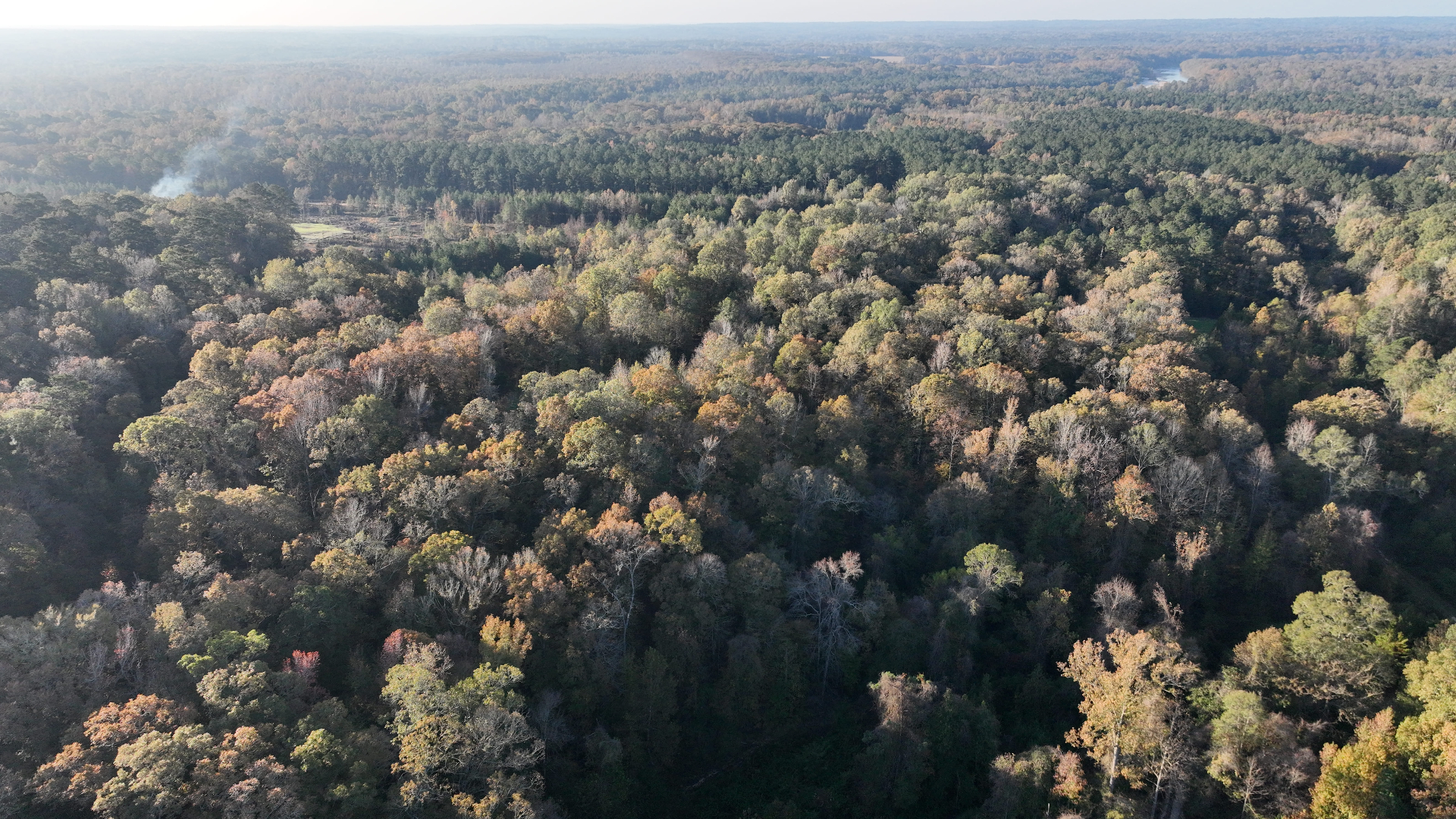
Walthall County, Mississippi centers on Tylertown and sits in south Mississippi along the Louisiana line, between Pike County and the Bogue Chitto/Pearl River drainages. Walthall County tracts are typically managed loblolly on rolling uplands, with hardwood drains feeding the Bogue Chitto and Magee's Creek and bottomland hardwood along the larger drainages. Pulpwood, CNS, and pine sawtimber move into the McComb, Bogalusa LA, Hammond LA, Columbia, and Brookhaven mill cluster — a deep buyer pool when a sale is properly exposed.
What I see most often on a Walthall tract is the same loblolly stand the parents planted, now eight to ten years past the window where a first thinning would have done the most good. The cross-state mill access into Louisiana is real — Bogalusa and Hammond both pull from here — but it doesn’t compensate for a stand that was held too long. The earlier the conversation happens, the more options a Tylertown family actually has on the table.