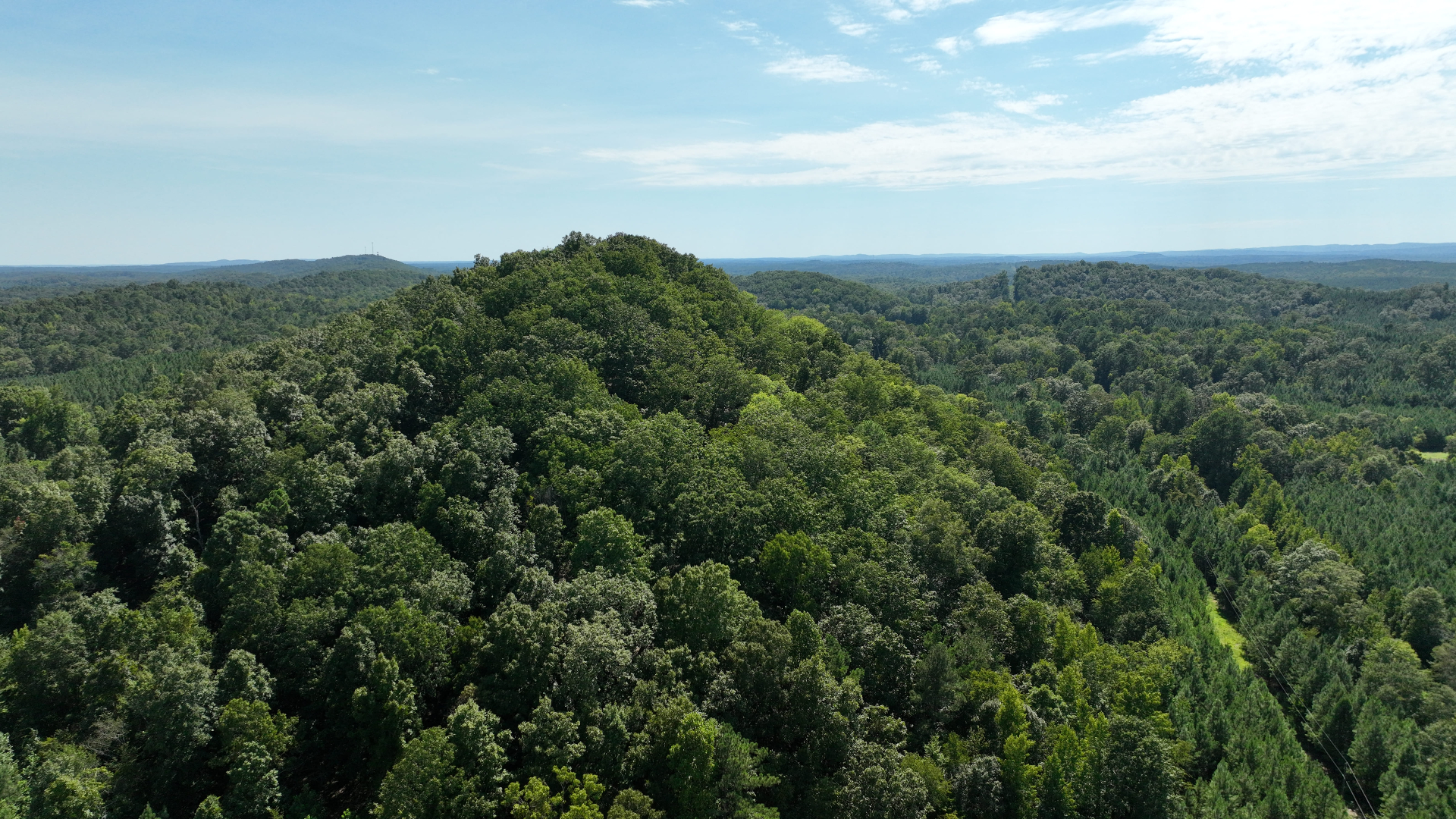
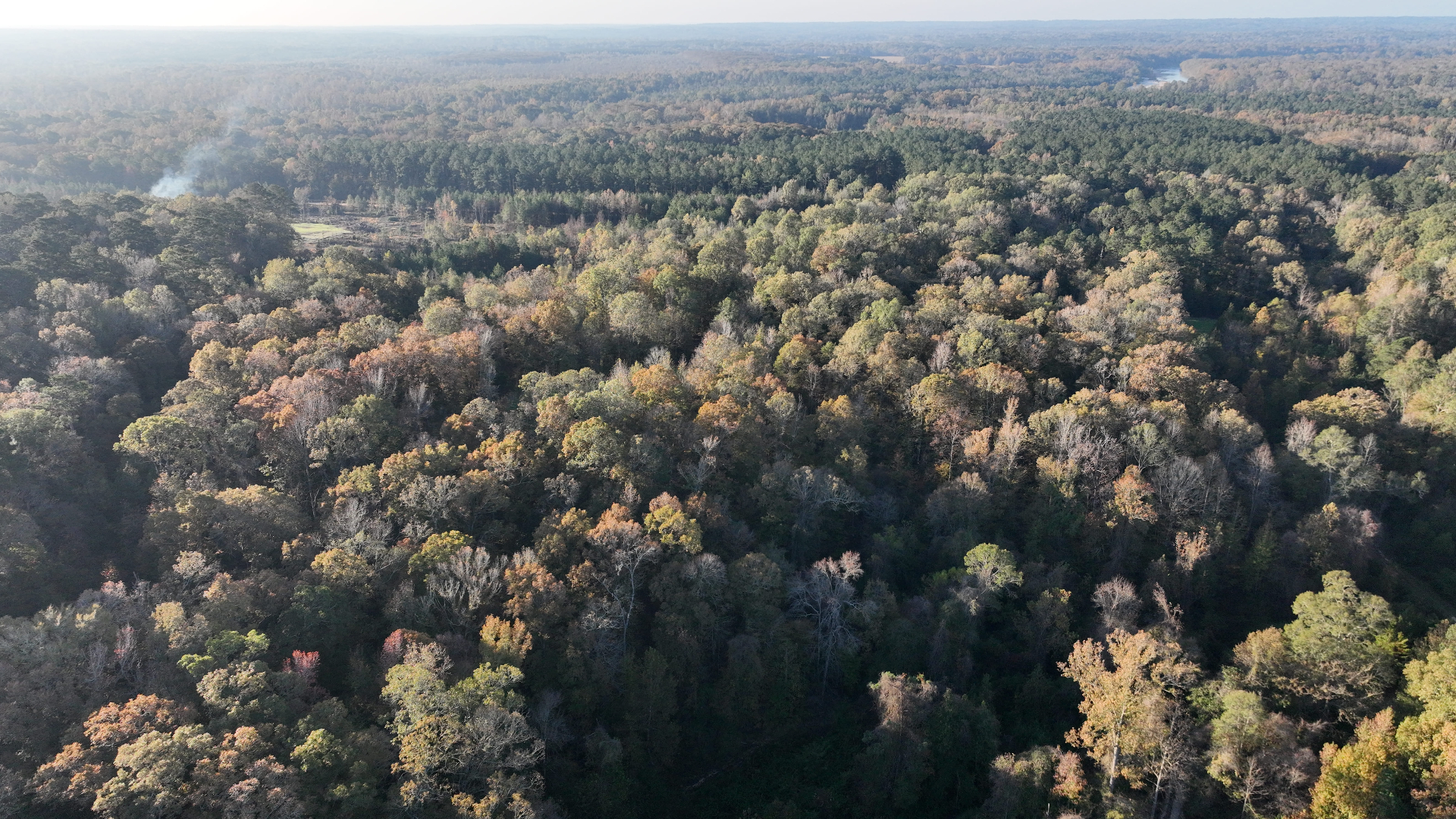
Wilkinson County is its own piece of Mississippi. The Crosby mill anchors the local pine market, the Homochitto National Forest puts public ground in the middle of the county, and the Buffalo River bottoms carry hardwood that doesn't grow that way anywhere else in the state.
US 61, MS 24, and MS 33 thread Woodville, Centreville, and Crosby together, and timber moves south into the mills around Bogalusa and Hammond about as easily as it moves north toward Natchez.
Family tracts here often touch national forest, share lines with absentee owners, or carry decades of mixed management — some thinned, some neglected, some replanted twice.
That mix is where the work is. Before a sale, the tract needs to be cruised, the lines need to be walked, and the marketing has to reflect what actually grew — not what a single buyer wants to bid on.
Logistics Drive Value in Wilkinson County
Example from the field. Walked a Wilkinson County tract west of Centreville where a buyer had offered a flat per-ton number on the whole stand. After cruising the bottoms separately, the hardwood component graded out strong enough to market on its own bid sheet. The pine moved into the Crosby/Bogalusa cluster on a sealed bid; the hardwood drew its own qualified buyers. The combined number cleared meaningfully above the original offer with no change to the timber itself.
The Wilkinson County tracts I get called to are usually bigger than the southwest Mississippi average — multi-hundred-acre family or investment holdings sitting back off MS 24, MS 33, or a county road that hasn't seen new gravel since the last harvest. That changes the work. On a tract like that, the cruise is half a week. The marketing is wider. The contract has to handle a haul that may run an hour or more to the closest mill.
Haul distance is where a lot of stumpage either gets made or quietly lost. A buyer based at Crosby will sharpen a pencil differently than one running to Bogalusa or Hammond. Inviting all of them to bid — and writing the contract so the gravel, the wet-weather shutdown, and the load tickets are pinned down — is what keeps the haul math from eating the landowner's check.
What changes on a larger Wilkinson tract
- Stand-level cruising across multiple compartments rather than a single average
- Bid packages that break the tract into pine uplands and Buffalo/Homochitto hardwood bottoms — different buyers, different pricing
- Road and bridge inventory before the bid, so haul access is a known cost to every bidder
- Wet-weather shutdown language and damage deposits scaled to the size of the operation
- Multi-year harvest scheduling on tracts that are too big to clean up in one season
The hardwood bottoms here are the leverage point. Buffalo River and Homochitto grade — cherrybark, willow oak, sweetgum sawlogs — sells at numbers a pine-pulp buyer will never quote. Marketing those stems separately on a sealed-bid timber sale is, on most mixed Wilkinson tracts, the single biggest dollar swing on the page.
Planning Around the National Forest and Across the Line
A meaningful share of Wilkinson County timberland sits next to the Homochitto National Forest or shares lines with absentee owners and out-of-state heirs. Both create real questions before a harvest: where the line actually is, who's responsible for what side of the fence, and what a forest-service neighbor expects of buffer and access.
A written forestry management plan handles those questions in advance instead of in the middle of a job. So does keeping reforestation planning on the calendar after the cut — sandy Wilkinson ridges respond differently than the loess slopes, and the post-harvest year is when site prep and planting decisions actually pay back.
Big Tracts Deserve a Long Look
Wilkinson County rewards a slower pace. The bigger the ownership, the more the cruise and the contract are worth — and the more a rushed phone-call sale costs in money that nobody ever sees on a settlement sheet.
When a Wilkinson tract gets sold right, the haul is bid, the bottoms are marketed separately, the roads come back in shape, and the next rotation is already on the calendar. That's the work.
If you own ground in Wilkinson County and you're thinking about a sale, a cruise, or just a walk-through to see where things stand, get in touch. Adams County, Amite County, and Franklin County are all in regular rotation, so most weeks the truck is already pointed this way.
About Wilkinson County, Mississippi for Timberland Owners
Wilkinson County, Mississippi centers on Woodville and sits in the southwest corner of Mississippi at the Louisiana line, between the Homochitto National Forest and the river. Wilkinson County tracts run from managed loblolly plantations on the Citronelle uplands to mixed pine-hardwood on the loess slopes and rich bottomland hardwood along the Buffalo and Homochitto. Pulpwood, CNS, and pine sawtimber move into the Crosby, Natchez, Bogalusa LA, and Hammond LA mill corridor; grade hardwood from the Buffalo and Homochitto bottoms pulls separate premium buyers.
For landowners managing tracts here, the practical issues that recur are national-forest-line management, separating grade hardwood from pine, and cross-state buyer marketing into Louisiana. Decisions on thinning timing, sale structure, and reforestation should be made with those local conditions in mind rather than from a generic regional template.