
Southeast Forestlands logoSoutheastForestlands
County Coverage

Forestry Consultants & Timber Sale Representation – Walthall County, MS

Independent consulting foresters representing landowners in Walthall County, MS — sealed-bid timber sales, management plans, and appraisals. We work for you, not the mill. Independent forester representation for Walthall County, Mississippi landowners — timber sales, cruises, appraisals, reforestation, and harvest oversight in the Tylertown pine country.

"I would recommend Southeast Forestlands to anyone looking to remove timber. Mr. Eric was very professional, helpful and kind. You feel the friendliness and the passion he has for the work he does."
Don Coleman · 4 years ago · Google review
"Eric was knowledgeable and professional as he assessed the land. He provided aerial photos — current and historical — and offered guidance on the optimal time frame for the next harvest. A great representative of Southeast Forestlands."
Gregory Lacey · 2 years ago · Google review
  • Registered Forester — MS & AL
  • Independent Landowner Representation
  • USDA Technical Service Provider (TSP #20-23350)
  • Sealed-Bid Timber Sale Representation
  • Serving Mississippi & Alabama Landowners

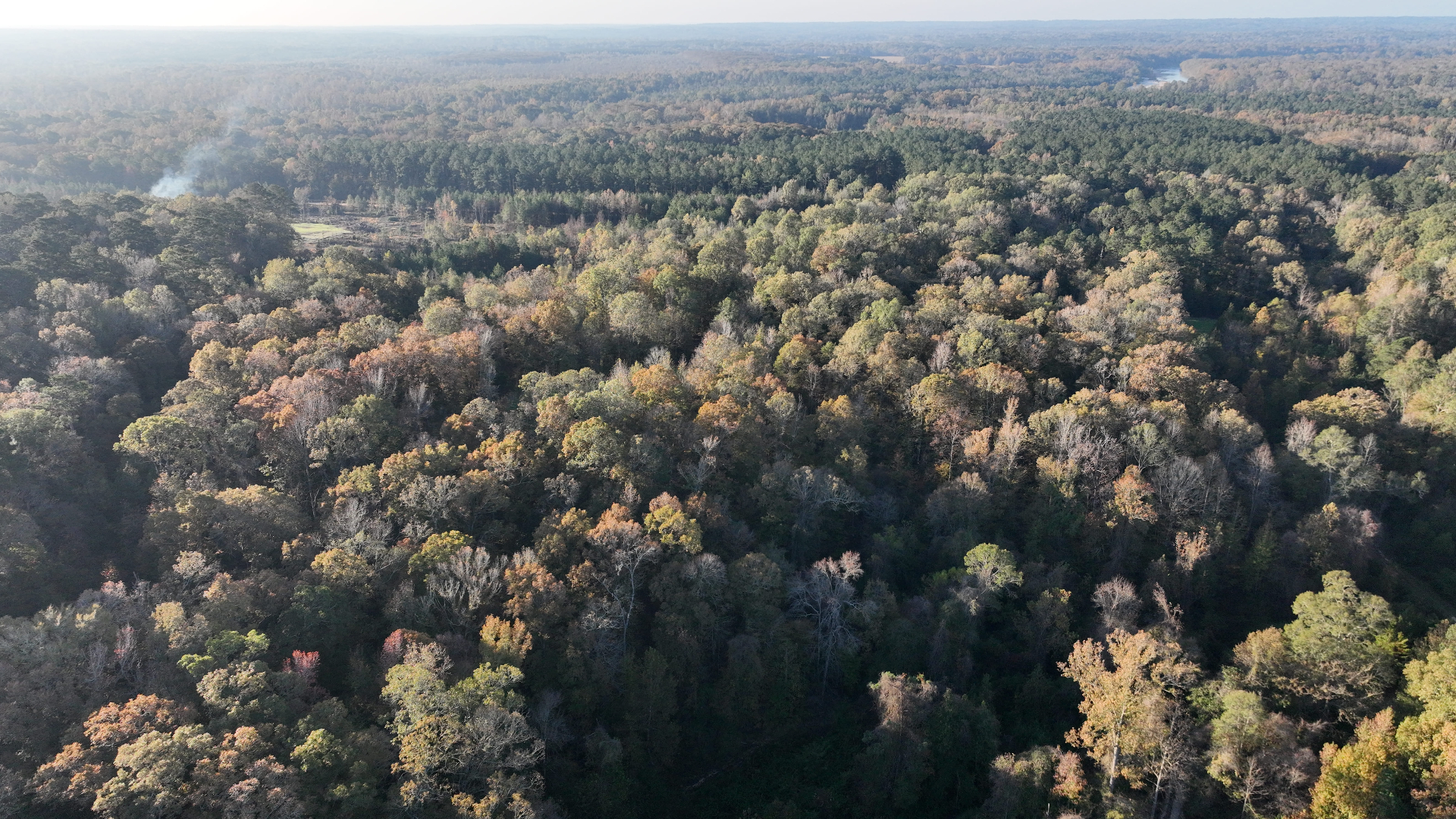
Walthall County is family pine country. Much of the working timberland between Tylertown and the Bogue Chitto has stayed in the same families across multiple rotations, and the useful conversations here often center on timing decisions — when to thin, when to harvest, when to replant — rather than on any single sale.


Timing First-Thinning Decisions on Family Pine

The most common Walthall County stand condition is a loblolly plantation planted a rotation ago that has arrived at or moved past first-thinning age. An overstocked stand that sits too long past its window generally slows in diameter growth, may see rising disease pressure, and can lose some of the edge on its best crop trees before the next entry.

A walked cruise and basal-area check is usually what settles whether the stand is still in thinning territory or has already moved past it. That check, done on the actual ground, tends to inform the schedule better than a general age-based assumption.

Educational scenario — an overdue thinning question. Consider a hypothetical Walthall County loblolly stand that has not yet been thinned and may be approaching a first-thinning decision. Presented here as an educational planning example — not as a completed Southeast Forestlands project — the useful exercise is to walk basal-area plots, describe residual stocking targets on the actual stand, and consider whether a sealed-bid thinning into the McComb, Bogalusa LA, and Columbia buyer pool can produce a bid spread that justifies the process. The intent is to let cruise data set the residual prescription rather than leaving it to whichever crew wins the bid.


Considering Louisiana-Side Haul Options

The county FAQ notes that pulpwood, CNS, and pine sawtimber may move into the McComb, Bogalusa LA, Hammond LA, Columbia, and Brookhaven mill cluster. That cross-state reach into Louisiana is real and generally adds meaningful depth to the buyer pool when a sale is exposed to all of it rather than only to the nearest Mississippi mill.

Adding out-of-state buyers to the invite list does not automatically move a bid. It changes the odds that at least one buyer sees the tract as a good fit for their mill and prices it accordingly. On tracts with a clean cruise and a well-documented haul, that broader exposure is generally where a competitive spread starts to show up.


Setting Up the Second Rotation Before the First Is Cut

On multi-rotation Walthall tracts, the useful management plan generally looks beyond a single harvest. Decisions on residual basal area at first thinning, on where the timber stand improvement dollars are most useful, and on reforestation species and stocking all shape whether the second rotation improves on the first.

Those decisions do not all happen at the same time, but they belong on the same schedule. A plan that treats the harvest as a chapter rather than an endpoint keeps the ground producing on a timeline the family controls.


Contract Terms That Protect the Residual Stand

On a thinning sale in particular, contract terms around residual basal area, skid-trail spacing, streamside management along the Bogue Chitto and Magee's Creek drains, wet-weather shutdown triggers, and post-harvest inspection tend to matter as much as the bid number. A high number paired with a soft contract can leave a residual stand that under-performs the growth curve the cruise projected.

Independent representation on those terms is generally what keeps a thinning genuinely set up for the next entry rather than opportunistically cleaned up in one pass.


Where a Walthall County Landowner Can Start

For most Walthall County owners, the useful starting point is a walked cruise on the current stand, a basal-area check against thinning or final-harvest thresholds, and a conversation about how the second rotation is intended to look. From there, an independent timber sale can be designed against the actual stand condition and buyer pool rather than a walk-up offer.

Southeast Forestlands does not buy timber, log timber, or take referral fees from buyers or loggers. Contact Southeast Forestlands to start that conversation, or read more about our independent forestry consulting services.


Nearby Counties and Timber Markets

Mill draws, buyer participation, and haul economics in Walthall County often reach into Pike County, Marion County, Lincoln County, and Lawrence County. For landowners with ground in more than one of those counties, a single coordinated marketing package can generally outperform separate sales.


About Walthall County, Mississippi for Timberland Owners

Walthall County, Mississippi centers on Tylertown and sits in south Mississippi along the Louisiana line, between Pike County and the Bogue Chitto and Pearl River drainages. Walthall County tracts are typically managed loblolly on rolling uplands, with hardwood drains feeding the Bogue Chitto and Magee's Creek and bottomland hardwood along the larger drainages. Pulpwood, CNS, and pine sawtimber generally move into the McComb, Bogalusa LA, Hammond LA, Columbia, and Brookhaven mill cluster — a deeper buyer pool when a sale is properly exposed.

What tends to recur on a Walthall tract is a loblolly stand planted by a previous generation that has arrived at a decision window — first thinning, second thinning, or final harvest — and a family looking for an outside read before a buyer is invited to price it. Cross-state mill access into Louisiana can add depth to that read, but the timing decision itself generally comes back to what the cruise actually shows on the ground.


How Consulting-Forester Representation Works

Southeast Forestlands does not buy timber, log timber, or take referral fees from buyers or loggers. On a Walthall County tract, where the same buyers have often been working the same families across multiple rotations, that posture is what allows a fresh, market-tested read on stand condition, timing, and bid structure. The intent of independent representation is not to displace long-standing relationships but to make sure the price and the contract terms line up with what the current market can actually support.

Common questions

Common Questions From Walthall County, MS Timberland Owners

Site Prep Burning — Field Video

Nearby markets

Nearby counties and timber markets

Timber buyers, mill access, and haul economics often cross county lines. These nearby counties are part of the broader area where we represent landowners.

Mississippi coverage

Part of our Mississippi forestry coverage

View every Mississippi county we represent, browse the services most requested by Mississippi landowners, or read the overview of how we work across the state.

Serving Walthall County, MS

Talk With a Registered Forester Serving Walthall County, MS.

MS / AL Registered Forester #2175

Whether you have ten acres or ten thousand, our team works for the landowner — never the mill. Based in Meridian, MS and serving timberland across Mississippi and western Alabama.